
Top 10 Common Mistakes New Bird Owners Make (and Fix)
Welcome to the delightful world of avian companionship! Whether you’ve recently welcomed a feathery friend into your home or are contemplating adding a bird to your family, the journey can be both thrilling and daunting. However, even the most well-meaning new bird owners can stumble into a few common pitfalls along the way.In this listicle, we’ll explore the Top 10 Common Mistakes New Bird Owners Make (and Fix)-a comprehensive guide designed to help you navigate these challenges wiht ease. From habitat setup to diet choices, each entry will not only highlight the missteps many face but also provide practical solutions to ensure a happy and healthy life for your bird. Expect to walk away with valuable insights that will enhance your understanding and thankfulness of your feathered companion, setting the stage for a harmonious relationship that will flourish for years to come. let’s dive into the essentials every new bird owner should know!
table of Contents
- 1) Skipping Proper Research: Many new bird owners jump into bird ownership without understanding the specific needs of their chosen species.Taking the time to research dietary requirements, social behaviors, and habitat needs can make a world of difference.
- 2) Buying the Wrong Cage: A common mistake is selecting a cage that’s too small or not designed for their bird’s activity level.Investing in an appropriately sized cage with proper bar spacing is essential for your bird’s well-being.
- 3) Neglecting Social Interaction: Birds are social creatures that thrive on interaction. New owners frequently enough underestimate the importance of bonding time and social stimulation, leading to loneliness and behavioral issues.
- 4) Overfeeding or Feeding Inappropriately: Misunderstanding a bird’s dietary needs can result in obesity or malnourishment. Educating oneself about a balanced diet, including fresh fruits, vegetables, and pellets, will keep your feathered friend healthy.
- 5) Not Providing Enough Enrichment: Birds require mental stimulation to prevent boredom and destructive behaviors. New owners often overlook the need for toys, perches, and activities that engage their bird’s curiosity.
- 6) Ignoring Signs of Illness: New bird owners might miss subtle signs of illness, thinking that their bird is just “being a bird.” Learning to recognize behavioral changes and other health indicators is crucial for timely veterinary care.
- 7) Using Unsafe Cleaning Products: Many cleaning products can be harmful or toxic to birds. Opting for bird-safe cleaners and understanding the importance of ventilation can protect your pet from harmful chemicals.
- 8) Failing to Bird-Proof Your Home: New owners often forget that birds are curious explorers, and their environment needs to be safe. Taking the time to remove hazardous items or securing potential dangers will keep your bird safe and sound.
- 9) Assuming All Birds Can be Handled: Each bird has its own temperament and comfort level with handling. New owners might misinterpret their bird’s behavior, leading to stress for both the owner and the bird. Learning about your bird’s personality is key to building trust.
- 10) Not Seeking Community support: Many new bird owners feel overwhelmed and isolated. joining bird clubs or online communities can provide valuable insight,resources,and emotional support from fellow bird enthusiasts.
- Q&A
- To Wrap It Up
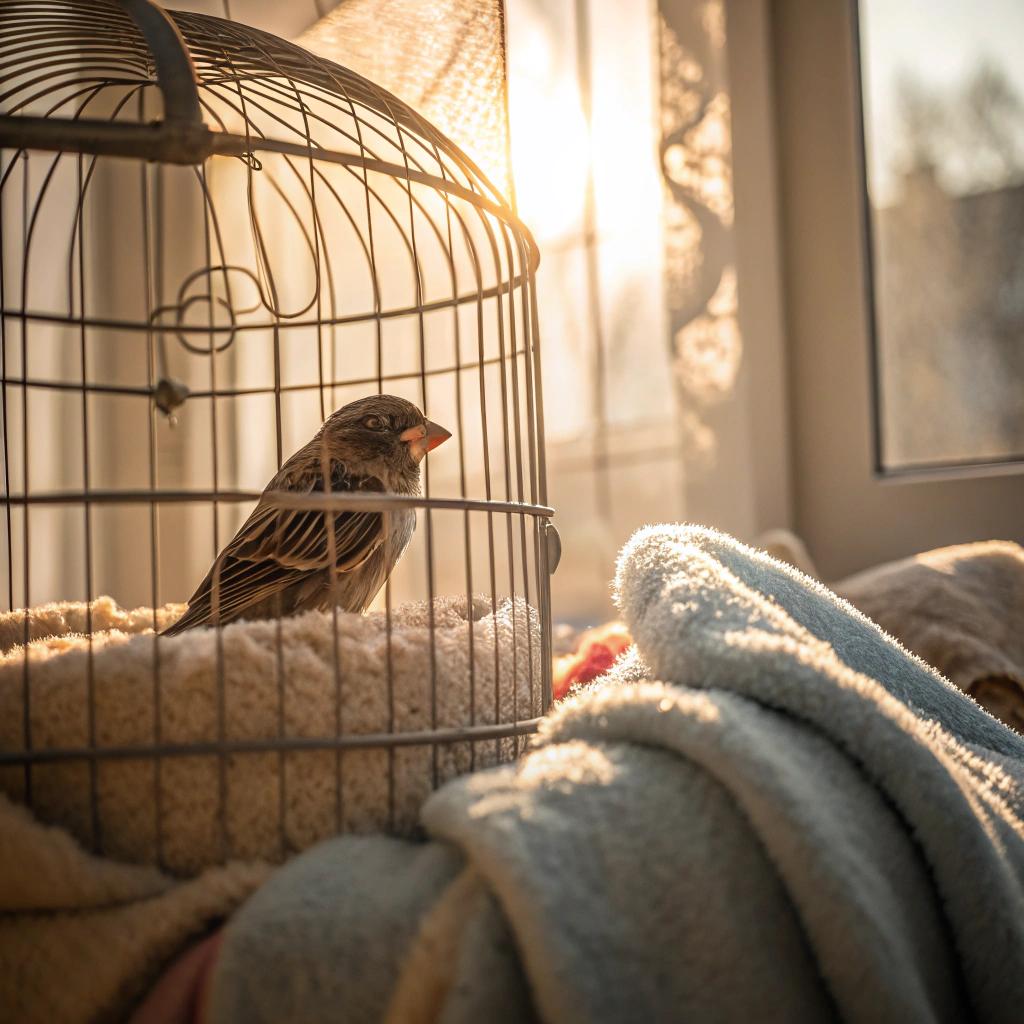
1) Skipping Proper Research: Many new bird owners jump into bird ownership without understanding the specific needs of their chosen species. Taking the time to research dietary requirements, social behaviors, and habitat needs can make a world of difference
For many first-time bird owners, the excitement of welcoming a feathered friend can overshadow the essential preparations needed for their new companion. It’s vital to understand that each bird species has its own unique set of requirements. Neglecting this critical step often leads to issues down the line. For instance, some birds thrive on a diet that is rich in seeds, while others may require a balance of pellets, fresh fruits, and vegetables. Learning about these dietary specifics is not just about feeding them; it can greatly influence their overall health and longevity.
Beyond diet, social behaviors and habitat needs are equally crucial. Birds are incredibly social creatures that often need companionship-whether from their owners or other birds. Failing to recognize their need for social interaction can result in loneliness or behavioral problems. Additionally, understanding the appropriate cage size and environmental enrichment is essential for their mental and physical health. Consider the following table for a speedy comparison of some popular bird species and their basic requirements:
| Bird Species | Diet | social Needs | Cage Size |
|---|---|---|---|
| Budgerigar | Seeds, pellets, veggies | Very social, prefers companions | 24″x18″x24″ |
| Cockatiel | Pallets, fresh fruits | Enjoys human interaction | 30″x18″x24″ |
| African Grey | Pellets, fruits, veggies | Highly social, needs stimulation | 36″x30″x30″ |
Investing time into understanding these aspects can considerably enhance your experience as a bird owner. It not only helps you to provide a happy and healthy environment for your new pet but also fosters a deeper bond between you and your feathered friend. Prioritizing proper research will ensure that you meet the specific needs of your bird, creating a harmonious living situation and allowing your relationship to flourish.
2) Buying the Wrong Cage: A common mistake is selecting a cage that’s too small or not designed for their bird’s activity level. Investing in an appropriately sized cage with proper bar spacing is essential for your bird’s well-being
Choosing the right cage for your feathered friend is crucial to ensure a happy and healthy life. One of the most frequent blunders new bird owners make is opting for a cage that is either too cramped or unsuitable for their bird’s activity level. Birds require space to spread their wings, climb, and explore. If the cage is too small, it can lead to boredom, frustration, and even health issues. To enhance your bird’s quality of life, consider the following factors:
- Size: your bird’s cage should be large enough for them to move around comfortably, with ample space for perches, toys, and food dishes.
- Bar Spacing: Ensure that the bars of the cage are appropriately spaced according to the species of your bird to prevent accidents or escape attempts.
- Shape: Opt for a cage that offers horizontal space rather than just vertical, as this encourages exercise and social interaction.
Investing in a larger cage might entail a higher upfront cost, but the long-term benefits far outweigh the expense. A well-designed cage can help prevent behavioral issues and create an environment where your bird feels safe and stimulated. To help you visualize the right dimensions, check out this table showing some common bird species along with their recommended cage sizes:
| Bird Species | Minimum Cage Size (L x W x H) |
|---|---|
| Budgerigar | 24″ x 18″ x 18″ |
| Cockatiel | 30″ x 24″ x 24″ |
| African Grey | 36″ x 24″ x 36″ |
| Macaw | 48″ x 36″ x 48″ |
3) Neglecting Social Interaction: Birds are social creatures that thrive on interaction. New owners frequently enough underestimate the importance of bonding time and social stimulation, leading to loneliness and behavioral issues
When welcoming a feathered friend into your home, it’s crucial to remember that birds are inherently social animals. They thrive on interaction, and without it, they can quickly become bored, lonely, and stressed. new bird owners often underestimate the importance of establishing a strong emotional bond with their pet, which can lead to a range of behavioral issues. Spending quality time with your bird not only enhances their happiness but also fosters trust and affection. Regular interaction, such as talking, singing, or simply sitting close, can make a significant difference in their well-being.
To avoid leaving your bird feeling isolated, here are some tips for fostering a healthy social atmosphere:
- Daily Bonding Time: Dedicate at least 20-30 minutes every day for interactive play or training. This routine helps build trust.
- Group Companionship: If space and your lifestyle permit, consider getting a second bird. Companionship with another bird can provide invaluable social stimulation.
- Safe Exploration: Allow your bird to explore different parts of your home (under supervision), which can enrich their environment and engage their natural curiosity.
4) Overfeeding or Feeding Inappropriately: Misunderstanding a bird’s dietary needs can result in obesity or malnourishment. Educating oneself about a balanced diet, including fresh fruits, vegetables, and pellets, will keep your feathered friend healthy
One of the biggest pitfalls for new bird owners is the tendency to overfeed or misfeed their avian companions. Without proper knowledge,it’s easy to fall into the trap of believing that more food equals a happier bird. However, this misconception can lead to obesity, which can severely affect a bird’s health. A well-balanced diet that includes a variety of foods is crucial. Fresh fruits, vegetables, and high-quality pellets should be incorporated into their daily regimen. Ensure to remove any uneaten food promptly to maintain freshness and prevent spoilage. Vegetables like spinach and bell peppers, and fruits such as apples and berries, are great additions that provide essential vitamins and minerals.
Understanding portion sizes is equally critically importent. birds have different dietary needs depending on their species, size, and age, and owners should tailor their feeding routine accordingly. While pellets often make up the bulk of their diet, supplementing with fresh items can significantly enhance their well-being. A simple table to help identify the right proportions could look like this:
| Food Type | Daily Serving Size |
|---|---|
| Pellets | 1/4 to 1/2 cup |
| Fresh Vegetables | 1/4 cup |
| fresh Fruits | 1-2 tablespoons |
By taking the time to research and understand your bird’s specific dietary requirements, you ensure a balanced meal that promotes a long and healthy life. Always consult with a veterinarian specialized in avian care to further refine your bird’s diet based on their individual needs and to avoid the common trap of feeding based on treats alone.
5) Not Providing Enough Enrichment: Birds require mental stimulation to prevent boredom and destructive behaviors. New owners often overlook the need for toys, perches, and activities that engage their bird’s curiosity
Many new bird owners fail to realize that their feathered companions are not just pets but highly smart creatures with complex emotional and cognitive needs. Without proper mental stimulation, birds can quickly become bored, which may lead to destructive behaviors such as excessive squawking, feather plucking, or even aggression.to keep your bird happy and healthy, it’s crucial to introduce a variety of engaging items and activities that pique their curiosity and keep their minds sharp.
Here are some essential enrichment ideas to consider:
- Toys: provide a mix of wood,rope,and chewable materials in various shapes and sizes. Rotate them regularly to maintain interest.
- Perches: Install perches of different diameters and textures to stimulate foot health and provide climbing opportunities.
- Foraging Activities: Use food puzzles or hides to encourage natural foraging behavior, tapping into your bird’s instincts.
- Interactive Play: Spend time with your bird daily, engaging in play or training sessions to strengthen your bond and provide social stimulation.
| Type of Enrichment | Benefits |
|---|---|
| Toys | Stimulate mental activity and prevent boredom |
| Perches | Promote foot health and encourage exploration |
| Foraging Items | Encourage natural behaviors and problem-solving skills |
| Social Interaction | Reduces loneliness and promotes healthy behavior |
6) Ignoring Signs of Illness: New bird owners might miss subtle signs of illness, thinking that their bird is just “being a bird.” Learning to recognize behavioral changes and other health indicators is crucial for timely veterinary care
One of the most significant challenges new bird owners face is recognizing that their feathered companion is unwell. Unlike dogs or cats, birds tend to hide their sickness until it becomes severe, making it easy for owners to misinterpret symptoms as normal behavior. As a notable example, a slight change in vocalization, a decrease in energy, or a change in appetite might be brushed off as just “being a bird.” Understanding the importance of monitoring these subtle signs is crucial. Tracking your bird’s behavior daily can definitely help you identify when somthing is off, allowing for timely intervention.
To aid in recognizing these telltale signs, consider keeping a health diary. This diary can track elements such as eating habits, activity levels, and interaction patterns. Here’s a simple table that highlights some key indicators to look out for:
| Sign | What to Look For | Possible Implications |
|---|---|---|
| Fluffed feathers | Feathers appear ruffled or puffed up | Potential illness or discomfort |
| Lethargy | Reduced activity or lack of engagement | Possible underlying health issue |
| Change in droppings | Inconsistent size or color | Digestive or systemic problems |
| Overpreening | Excessive or unusual feather grooming | Stress or illness |
By being vigilant and familiarizing yourself with your bird’s unique behaviors, you can become adept at spotting potential health concerns early on. When in doubt,never hesitate to consult a veterinarian who specializes in avian medicine. Prompt action can make all the difference in ensuring your feathered friend remains healthy and happy.
7) Using Unsafe Cleaning Products: Many cleaning products can be harmful or toxic to birds. Opting for bird-safe cleaners and understanding the importance of ventilation can protect your pet from harmful chemicals
When it comes to cleaning your living space, it’s essential to remember that not all cleaning products are created equal, especially for our feathered friends. Many common household cleaners can release fumes or contain chemicals that may be harmful or even fatal to birds. Instead, consider using bird-safe cleaners that are specifically formulated to be free from hazardous substances. Products that use natural ingredients or are marked as biodegradable can be effective alternatives that keep your home sparkling clean without compromising the health of your beloved pet.
Along with choosing the right cleaning products, never underestimate the importance of ventilation. Even bird-safe cleaners can release residues that linger in the air. Ensure proper airflow by opening windows and using fans while cleaning.This can help diminish any potential buildup of harmful particles or fumes. To further protect your birds, it’s wise to keep them away from the area being cleaned until everything has dried and the air quality has returned to normal. Your birds’ safety is paramount, and taking these precautions can ensure that their environment remains as healthy as possible.
8) Failing to Bird-Proof Your Home: New owners often forget that birds are curious explorers, and their environment needs to be safe. Taking the time to remove hazardous items or securing potential dangers will keep your bird safe and sound
One of the most thrilling aspects of having a bird as a pet is watching their inquisitive nature unfold. Though, with curiosity comes risk. New bird owners often overlook critical safety measures to ensure their feathered friends can explore their environment without danger. Houseplants, small objects on tables, and exposed wires can all pose serious threats to your bird’s well-being. Taking the time to bird-proof your living space means removing or securing these hazards,enabling your bird to roam freely while reducing the risk of accidental injury.
Consider making a safety checklist to identify potential dangers. Below are key areas to inspect in your home:
| Potential Hazards | Action Required |
|---|---|
| Houseplants | Remove toxic plants or place out of reach |
| Small items (coins,paper clips) | Clear surfaces and secure belongings |
| Cables and wires | Use wire protectors or hide away |
| Open windows and doors | Use screens or bird-proof locks |
By proactively addressing these hazards,you give your bird a secure sanctuary where they can thrive in their natural tendencies without the constant threat of injury. Taking these steps not only enhances your bird’s happiness but also brings peace of mind to you as a responsible pet owner.
9) Assuming All Birds Can be Handled: Each bird has its own temperament and comfort level with handling. New owners might misinterpret their bird’s behavior, leading to stress for both the owner and the bird. Learning about your bird’s personality is key to building trust
Many new bird owners mistakenly assume that all birds enjoy being handled, but this misconception can lead to needless stress and anxiety for both the pet and the owner. Just like humans, each bird has its own unique temperament and comfort level with interaction. Some birds may be naturally more sociable and eager to engage, while others may be shy or skittish. Understanding your bird’s individual behavior is crucial for fostering a trusting relationship. Take time to observe your bird’s reactions to your presence and build confidence through gentle, non-invasive interactions.
Here are a few tips to help you better understand and respect your bird’s needs:
- Observe Body Language: Pay attention to your bird’s posture, feather fluffing, and sounds. These can indicate their mood and readiness to interact.
- Start Slowly: begin by offering your hand or a perch without forcing contact. Let your bird come to you in their own time.
- Respect Boundaries: If your bird shows signs of discomfort, such as backing away or biting, it’s essential to respect their space and try again later.
10) Not Seeking Community Support: Many new bird owners feel overwhelmed and isolated. Joining bird clubs or online communities can provide valuable insight, resources, and emotional support from fellow bird enthusiasts
It’s easy to feel alone on the journey of bird ownership, especially when navigating the myriad of challenges that accompany caring for your feathered friend. Fortunately, surrounding yourself with like-minded individuals can make a world of difference.By joining bird clubs, you gain access to seasoned veterans who have been in your shoes. Not only will you find valuable advice on training, nutrition, and health, but you’ll also discover a sense of camaraderie that can uplift your spirits. Consider participating in local meet-ups or workshops where you can engage in discussions,exchange stories,and even organize fun events for your birds!
If in-person interactions aren’t feasible,the online world is bursting with opportunities. Numerous online communities are dedicated to avian enthusiasts, offering support whenever you need it-day or night.From forums and social media groups to dedicated websites, these platforms allow you to share your experiences and ask questions without fear of judgment. Here’s a quick comparison of popular bird-themed communities to help you find your fit:
| Platform | Features | Best For |
|---|---|---|
| Facebook Groups | Real-time discussions and support | Casual bird owners |
| Q&A and sharing successes | Interactive learners | |
| BirdForums.com | Structured threads and expert advice | In-depth research |
| Meetup.com | Local events and activities | social butterfly owners |
Q&A
top 10 Common Mistakes New Bird Owners Make (and Fix)
1. what’s the biggest mistake new bird owners make regarding habitat?
One of the most common mistakes is not providing a spacious and stimulating environment. Many new bird owners choose cages that are too small,limiting the bird’s ability to exercise and play. Birds need room to spread their wings and engage in natural behaviors.
Fix: Invest in a larger cage that allows for adequate movement.Include perches, toys, and exercise areas to keep your feathered friend mentally and physically stimulated.
2.Why is diet frequently enough a point of confusion for new bird owners?
New bird owners frequently rely on seed-based diets, neglecting the need for a balanced nutritional regimen. Seeds alone do not provide all the vitamins and minerals your bird needs for a healthy life.
Fix: Incorporate a variety of fresh fruits, vegetables, and high-quality pellets into your bird’s diet. Consult with an avian vet for specific dietary recommendations based on your bird’s species.
3. How can over- or under-bathing affect my bird?
New owners frequently enough do not realize the importance of proper bathing. Over-bathing can lead to skin problems, while under-bathing can cause feathers to become soiled and dull.
Fix: Offer your bird a shallow dish of water several times a week or mist them lightly with a spray bottle. Observe their behavior to find a bathing routine that keeps their feathers healthy without overdoing it.
4. What role does socialization play in a bird’s well-being?
New bird owners sometimes underestimate the social needs of their birds.Many species are highly social and can develop behavioral issues if they lack interaction.
Fix: Spend quality time with your bird daily. Engage them in activities like talking, training, and playtime to foster a strong bond and improve their emotional health.
5. why is it important to avoid exposure to toxic substances?
New bird owners might not be aware that many household items contain harmful substances for birds, such as non-stick cookware, certain plants, and cleaning agents.
fix: Educate yourself about toxic items and ensure your home is bird-proofed. Use safer alternatives for cooking and cleaning when your bird is present.
6. How can I prevent boredom in my bird?
Boredom can lead to destructive behavior in birds, yet new owners often overlook this issue. Lack of mental stimulation can cause stress and behavioral problems.
Fix: Rotate toys regularly and introduce new ones. Allow your bird to explore different parts of your home (under supervision) to keep their environment captivating.
7. What should I know about handling my bird?
Inexperienced bird owners may mishandle their pets, leading to stress or fear. Improper handling can also result in injuries for both the bird and the owner.
Fix: Learn the correct techniques for handling your bird. Give them time to acclimate to your presence and build trust before attempting to hold or touch them.
8. Why is it vital to choose the right companions for my bird?
New owners sometimes introduce other pets without considering their compatibility. Improper introductions can lead to stress or aggression towards the bird.
Fix: Research the temperaments of other pets in your home and ensure they are compatible with your bird. Always supervise interactions until you are confident in their safety.
9. How can I ensure my bird’s health is monitored properly?
Many new bird owners skip regular check-ups, thinking their birds are healthy. Birds can hide illnesses very well, making regular vet visits essential for prevention.
Fix: schedule annual veterinary check-ups and seek immediate care if you notice any behavioral changes or signs of illness. A vet who specializes in avian medicine is recommended.
10. What’s a common mistake in setting up a bird’s environment?
New owners often overlook the importance of proper cage placement. Cages placed in radiant sunlight or drafts can be harmful to your bird’s health.
Fix: Place the cage in a location with natural light but away from direct sunlight and drafts. Ensure it’s in an area where your bird can feel part of the household without being too isolated.
To Wrap It Up
As we wrap up our exploration of the top ten common mistakes new bird owners make-and how to fix them-remember that every feathered companion offers a unique journey filled with both joys and challenges. Mistakes are merely stepping stones toward becoming a more informed and compassionate bird keeper. Embrace the learning curve, and don’t hesitate to seek advice from experienced bird enthusiasts or avian experts.
Your commitment to understanding and improving your feathered friend’s life will not only enrich your bond but also elevate their well-being. Whether it’s correcting diet missteps or mastering the art of socialization, every small change can lead to a happier, healthier bird.
With this knowledge in hand, you’re now equipped to soar to new heights in your avian adventure. So go ahead, nurture that special relationship with your feathered friend and watch as your home transforms into a harmonious haven for both you and your companion. Happy bird keeping!



20 Comments
Great list! It’s so important for new bird owners to understand these common pitfalls to ensure their feathered friends have a happy and healthy life.
This post is incredibly helpful! By addressing these mistakes, you’re not only educating new bird owners but also helping to foster stronger bonds between them and their birds.
Thanks for sharing this informative post! Recognizing these mistakes early on can make a huge difference in ensuring our birds thrive and live fulfilling lives.
I appreciate the insights in this post! Understanding these common mistakes can truly empower new bird owners to create a better environment for their pets and enhance their overall experience.
This article is a must-read for anyone considering bringing a bird into their home; being aware of these mistakes can significantly improve the quality of care and companionship for both the owner and the bird.
This is such an essential guide for new bird owners! Avoiding these common errors can lead to a much happier and more enriching experience for both the owner and the bird, ensuring a strong bond right from the start.
This guide is invaluable for first-time bird owners; learning from these mistakes can transform the way we interact with and care for our feathered friends, leading to happier and healthier lives for both parties involved.
This advice is incredibly helpful for anyone new to bird ownership; being aware of these pitfalls will not only help prevent problems down the line but also promote a loving and supportive environment for our avian companions.
This post is a fantastic resource for new bird owners; recognizing and addressing these common mistakes can make all the difference in fostering a positive relationship with our birds and ensuring their well-being.
This post is incredibly insightful for those just starting their journey with birds; by highlighting these common mistakes, it empowers new owners to create a nurturing environment that allows their birds to thrive and flourish.
This article is a crucial read for new bird owners; understanding these frequent missteps not only enhances the care we provide but also helps cultivate a deeper connection with our birds, enriching both our lives in the process.
This article is essential for anyone new to bird ownership; by identifying these common mistakes, it equips new owners with the knowledge needed to foster a safe and healthy atmosphere for their birds, promoting a stronger bond and better care.
This article is a valuable tool for novice bird enthusiasts; by addressing these common errors, it helps ensure that new owners can provide the best possible care and create a fulfilling environment for their feathered friends.
This article serves as an excellent guide for new bird owners; by shedding light on common pitfalls, it aids in developing a better understanding of our birds’ needs and ultimately enhances the overall pet ownership experience.
This article is an indispensable resource for new bird owners; by outlining these frequent mistakes, it paves the way for better decision-making and responsible pet ownership, ensuring that our avian companions receive the love and care they deserve.
This article is incredibly helpful for those starting their journey as bird owners; by highlighting typical missteps, it empowers them with the information necessary to create a nurturing environment and build a lasting relationship with their avian pets.
This article is a must-read for anyone new to bird ownership; by illustrating common mistakes and how to correct them, it offers crucial insights that can significantly enhance the well-being of our feathered companions and improve the overall experience of bird keeping.
This article is a fantastic resource for anyone considering bird ownership; it thoroughly addresses the common mistakes that can hinder a bird’s happiness and health, equipping new owners with the knowledge they need to foster a loving and supportive environment for their pets.
This article is extremely valuable for novice bird owners; it clearly identifies common pitfalls that can affect the happiness and well-being of our pets, providing essential tips for creating a more fulfilling and supportive atmosphere for our feathered friends.
This article provides crucial insights for new bird owners, pinpointing frequent errors that can negatively impact our birds’ lives and offering practical solutions that ensure a happier, healthier environment for our beloved pets.