

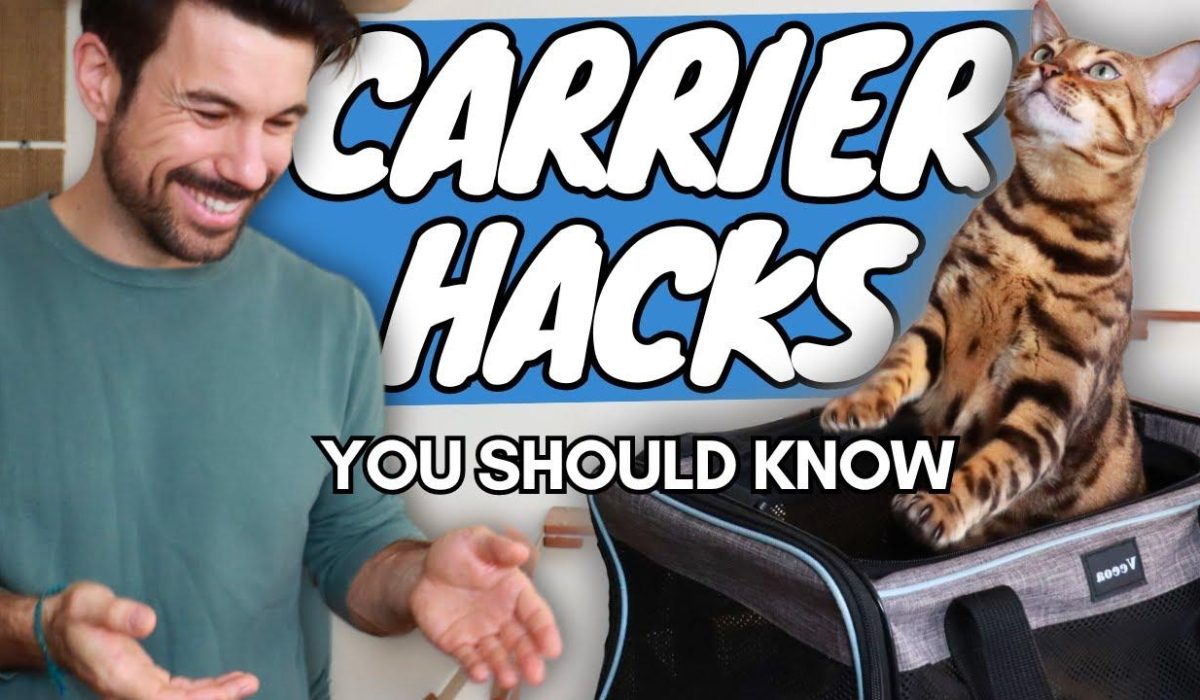
Mastering Cat Transport: 3 Pro Hacks for Easy Carrier Use
Transporting your feline friend can often feel like a daunting task—one filled with resistance, vocal protests, and teh dreaded wrestling match with a carrier.But what if I told you that traveling with your cat doesn’t have to be a hassle? Inspired by the insightful YouTube video, “Mastering Cat Transport: 3 Pro Hacks for Easy Carrier Use,” this blog post delves into practical techniques that can transform your pet’s relationship with their carrier from one of dread to one of trust. Through a blend of positive reinforcement and clever training strategies,you’ll discover how to create a more enjoyable travel experience for both you and your beloved cat. Say goodbye to the tears and chaos, and hello to an easygoing journey, whether it’s a fast trip to the vet or a cross-country adventure. Join us as we explore three innovative hacks that will not only ensure your cat’s comfort but also make the process smoother and stress-free for everyone involved.
Table of Contents
- Understanding Your Cat’s Behavior in Relation to Travel
- Creating Positive Associations with the Carrier
- Training Techniques for Easy Carrier Entry
- Practical Tips to Ensure a Stress-Free Journey
- Q&A
- Concluding Remarks
Understanding Your Cat’s Behavior in Relation to Travel
Cats are remarkably sensitive creatures, and their behavior often reflects their past experiences, especially when it comes to travel. If your feline companion has had a negative encounter with carriers, such as being crammed into one during a stressful trip, they may develop an aversion to it. This reaction is part of what is known as conditioned aversion, where negative experiences lead to avoidance behaviors.To break this cycle, it’s essential to reshape their perception of the carrier through positive reinforcement. Introducing the carrier as a safe and rewarding space is crucial. To do this,keep the carrier accessible in your home,allowing your cat to explore it at their own pace. Consider placing some of their favorite toys or treats inside,so each encounter becomes a pleasant experience rather than a source of stress.
Moreover, as your cat begins to associate the carrier with positive outcomes, you can employ techniques like operant conditioning to facilitate a smooth transition into the carrier when it’s time to travel.Start with simple commands and use directing techniques such as finger targeting—where you encourage your cat to approach the carrier using a treat guided by your finger. With repetition, your cat will learn to respond positively to the request of entering the carrier. As their confidence grows, you can teach them to enter on command, making future travels more manageable and stress-free.By understanding and addressing your cat’s behavior related to travel, you can create a more enjoyable experience for both you and your furry friend.
Creating Positive Associations with the Carrier
To foster a positive relationship with the carrier, the key is to make it a source of curiosity and joy for your cat. Start by keeping the carrier accessible in your home; a familiar presence can work wonders. Fill it with toys, blankets, and treats that your cat loves. This encourages your furry friend to explore it voluntarily,associating the carrier with fun and comfort rather than anxiety. When your cat investigates the carrier without pressure, it helps break down any preconceived notions of fear linked to past experiences.
As your cat begins to view the carrier as a safe haven, you can enhance this bond through targeted training. Incorporate positive reinforcement techniques by rewarding your cat each time it approaches or enters the carrier. This could be treats or praise that highlight their bravery and cooperation. The essence lies in the principle of desensitization; with each rewarding encounter, your cat’s anxiety can be replaced by eagerness and trust. Engage in this process gently and consistently, ensuring that the carrier is synonymous with good experiences.
Training Techniques for Easy Carrier Entry
Establishing a positive association with the cat carrier is the key to making your feline friend feel pleasant and safe. Start by desensitizing your cat to the carrier. Leave it accessible at all times—this way, it becomes a familiar part of their habitat rather than something to fear.You can enhance this experience by placing toys and treats inside. Every time your cat interacts with the carrier, they should receive some form of reward. The idea is to create an environment where entering the carrier feels gratifying rather than daunting. Over time, this method may encourage your cat to explore the carrier on their own and instill a sense of curiosity.
Once your cat has warmed up to the idea of the carrier, you can begin teaching them to enter it on command. Utilize techniques like finger targeting, where you lead your cat to the carrier using a treat. hold a treat between your fingers and gently guide them. As they approach, reward them with a click to reinforce the behavior.This method not only makes the carrier more appealing but also strengthens your bond through positive reinforcement. You can eventually transition from guiding them with treats to using a simple verbal cue, leading to a more trained and compliant companion.
Practical Tips to Ensure a Stress-Free Journey
Preparing your cat for a journey can greatly influence their comfort and behavior. desensitization is key; start by allowing your cat to explore the carrier at their own pace. Keep the carrier accessible at home, enhancing the environment with toy or treat incentives to create positive associations. When they approach or enter the carrier, reward them with praise or a tasty treat. This encourages repeat behavior, as cats are more likely to engage in actions that yield a rewarding outcome.
Once your feline friend is more comfortable with the carrier, you can introduce commands that make the boarding process smoother. Use operant conditioning techniques, such as finger targeting, to coax them into the carrier.For this, hold a treat between your fingers and create a movement that guides your cat into the desired position. With consistent practice and positive reinforcement, you’ll find your cat becoming increasingly compliant. Remember, the goal is to make every step of the journey feel like a fun and rewarding experience for them.
Q&A
Blog Post Q&A: Mastering Cat Transport: 3 Pro Hacks for Easy Carrier Use
Q1: Why is transporting cats in a carrier often a challenging experience?
A1: Transporting cats can be difficult because many cats associate carriers with negative experiences from the past, such as vet visits or long trips. This can lead to anxiety and resistance whenever they encounter a carrier. Understanding this behavior is essential, as cats are motivated by their experiences and often avoid situations that have previously caused them distress.
Q2: What kind of carrier is recommended for transporting a cat, and how much should I expect to spend?
A2: It’s important to note that you don’t need an expensive carrier for successful transport. In the video, a $30 carrier is mentioned as perfectly suitable. The key is to choose a carrier that is comfortable for your cat and allows for easy access and visibility. The focus should be on how you use the carrier rather than on the cost.
Q3: How can I help my cat have a better experience with the carrier?
A3: One effective method is desensitization, which involves creating positive associations with the carrier. You can start by leaving the carrier accessible in your home for your cat to explore at their leisure.Placing treats and toys inside the carrier can encourage them to enter it voluntarily and associate it with good experiences.
Q4: What are the three pro hacks mentioned in the video for getting your cat into the carrier on command?
A4: The video outlines three techniques for training your cat to enter the carrier on command:
- Finger Targeting: By using a treat held between your fingers, you can guide your cat toward the carrier. The cat is encouraged to touch your finger, and you can reward them for doing so until they start responding reliably.
- Using a Target Stick: This involves a tool designed for training animals. You can direct your cat to the carrier with the stick as they learn to follow it in exchange for treats.
- Verbal Command: Once your cat is more comfortable, you can introduce a specific verbal command that they will associate with entering the carrier. Consistent reinforcement will help solidify this command as a cue for them to go inside.
Q5: What should I do if my cat shows reluctance or resistance to getting into the carrier?
A5: If your cat is hesitant, it’s essential to be patient and continue the desensitization process.Focus on making the carrier a fun and rewarding environment.Give them ample time to get used to it, and avoid forcing them inside. Gradual exposure and positive reinforcement will help alleviate their fear over time.
Q6: Can I train an older cat using these methods, or are they more effective for kittens?
A6: These training techniques can be effective for cats of all ages, including older cats. While younger cats may adapt more quickly, older cats can also learn new behaviors with patience and consistency. Tailoring the approach to your cat’s personality and experiences is crucial for success.
Q7: How can I assess the effectiveness of these training methods?
A7: Monitor your cat’s behavior during the training process. Signs of comfort, such as willingly entering the carrier, showing curiosity about it, or responding positively to your commands, indicate progress. Remember, every cat is unique, so be prepared for varying timelines and results.
—
this Q&A aims to help cat owners facilitate a smoother transport experience for their furry friends, using the professional hacks discussed in the video.With patience and positivity, you can transform your cat’s outlook on traveling in a carrier!
Concluding Remarks
As we wrap up our exploration of “Mastering Cat transport,” it’s clear that getting your feline friend comfortable with their carrier doesn’t have to be a battle. The three pro hacks shared in the video demonstrate that with a bit of patience and positive reinforcement, you can transform your cat’s feelings about their carrier from dread to delight. By utilizing techniques like desensitization and operant conditioning, you can make the carrier a familiar and fun space for your pet.
Now that you’re armed with these strategies, it’s time to put them into practice. Remember, the key is to create positive associations with the carrier, ensuring that your cat views it as a place of comfort rather than confinement. Whether you choose to use finger-targeting, a verbal command, or a target stick, the possibilities are endless when you approach the challenge with creativity and care.
Thank you for joining us on this journey to stress-free cat transport! We’d love to hear about your experiences and any tips you might have.Feel free to share your thoughts in the comments below, and don’t forget to tune in for more insights on making your cat’s life—and yours—easier. Safe travels, and happy adventures with your furry companions!



25 Comments
These tips are so helpful! I always struggle getting my cat into the carrier without a meltdown. Can’t wait to try these hacks.
I can totally relate, Jennifer! Getting my cat into the carrier has always been a challenge, so I’m excited to see how these pro hacks can make the process smoother.
These hacks sound like a game changer! I’ve tried everything from treats to toys, but nothing seems to work consistently. Looking forward to seeing how these strategies can help make transport less stressful for both me and my cat.
I’ve had my share of struggles with cat transport, so I’m eager to learn these pro hacks. Hopefully, they’ll turn this chore into a more manageable task for both me and my feline friend.
I’m really curious about these hacks, as I’ve tried various methods to make carrier time easier for my cat, but it always ends up being a battle. Eager to see what works!
I’ve faced similar issues with my cat and transport can be such a hassle, so I’m really looking forward to implementing these pro hacks to make the experience better for both of us.
I’ve been dreading our next vet visit because of the struggle to get my cat into the carrier, so I can’t wait to try these pro hacks and hopefully turn it into a less stressful experience for both of us.
I’ve been searching for effective ways to make carrier time less stressful, and I’m excited to hear about these pro hacks—hopefully they’ll finally give me the solution I’ve been needing to make vet trips smoother for my furry companion.
I’ve always found transporting my cat to be quite the ordeal, so I’m interested to see if these pro hacks can provide some much-needed relief and make both our lives easier during trips.
I can totally relate to the struggles of getting my cat into the carrier, so I’m eager to learn these pro hacks and hopefully transform our transport experience into a more pleasant one.
I completely understand the frustration of transporting cats, so I’m really hoping these pro hacks will help ease the process and create a more positive experience for both my cat and me during our travels.
I often dread the chaos that comes with transporting my cat, so I’m looking forward to trying these pro hacks to make the process smoother and more comfortable for both of us.
I can definitely relate to the challenges of getting my cat to cooperate during transport, so I’m eager to see these pro hacks in action and hopefully turn our next trip into a much easier experience.
As someone who has dealt with a lot of stress over cat transport, I’m really hopeful that these pro hacks will provide some practical solutions to make the whole process less daunting for both my feline friend and me.
I’ve faced my share of difficulties with transporting my cat, so I’m really looking forward to these pro hacks that might help streamline the experience and make it less stressful for both of us.
I’ve had my fair share of stressful moments when transporting my cat, so I’m excited to learn these pro hacks that could lead to a more relaxed and efficient journey for both of us.
Having struggled with cat transport in the past, I’m really interested to see these pro hacks that could help transform our travel experiences and make it a lot more enjoyable.
I completely understand the struggle of transporting a cat, so I’m eager to discover these pro hacks that could really simplify the process and help us enjoy our travels together more.
I’ve had my own challenges with taking my cat on trips, so I’m very interested in these pro hacks that could offer some useful strategies for a smoother and more pleasant transport experience for us both.
I can relate to the challenges of traveling with a cat, so I’m looking forward to these pro hacks that might make the journey easier and more enjoyable for my furry companion and me.
As someone who constantly travels with my cat, I can’t wait to check out these pro hacks that promise to make carrier use smoother and less stressful for both of us.
As a cat owner who frequently faces the dilemma of carrier use, I’m curious to learn these pro hacks that could potentially ease the process and make our travel experiences much more positive and stress-free.
Transporting my cat has always been a challenge, so I’m really looking forward to these pro hacks that could make the process easier and less stressful for both me and my feline friend.
As a cat owner who’s faced many transport struggles, I’m eager to discover these pro hacks that can simplify the process and help both my cat and I feel more comfortable during our travels.
As a long-time cat owner, I’m excited to see these pro hacks that could transform our transport experiences and help alleviate some of the stress associated with using the carrier.