Decoding Feline Language: Apps That Claim to Connect
Decoding Feline Language: Exploring Apps That Claim to Connect with Our Cats
Have you ever wondered what your cat is really trying to say? If so, you’re not alone. Across the globe,cat lovers are increasingly curious about the emotional and vocal nuances of their feline companions. In a world where communication bridges gaps between species, the quest for better understanding has inspired a wave of innovative technology. One such innovation is the rise of cat translation apps, designed with the lofty goal of interpreting our cats’ distinctive meows and purrs.
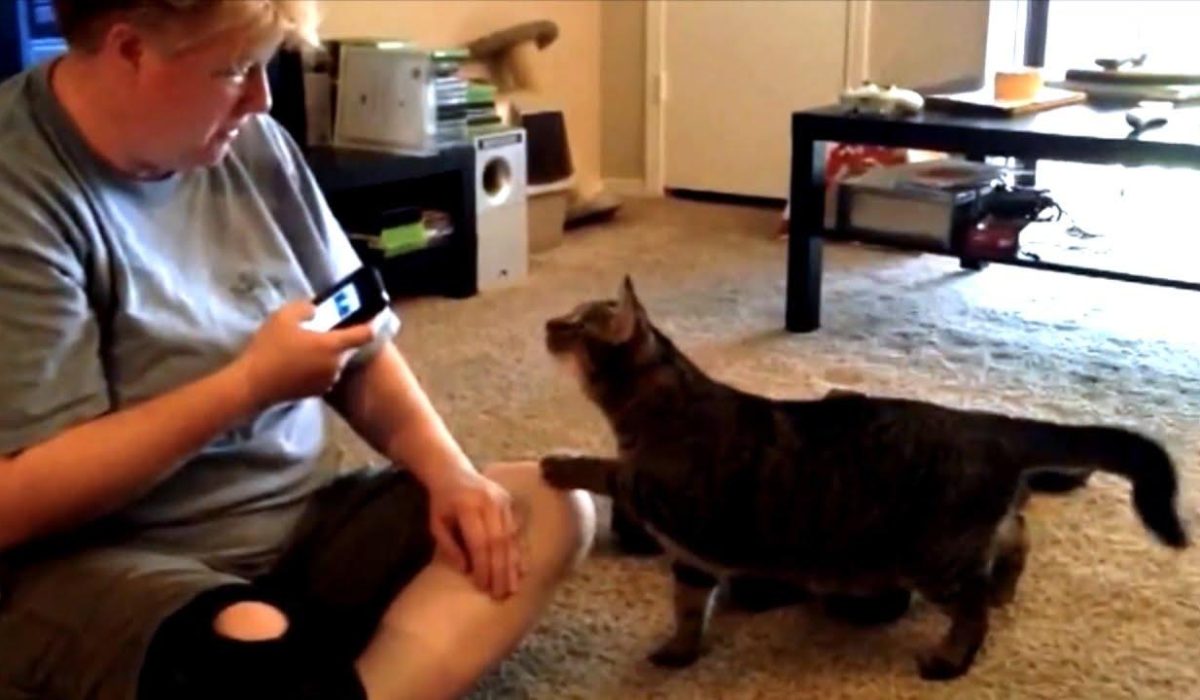
In a recent YouTube video titled “Decoding Feline Language: Apps That Claim to Connect,” viewers meet Penny,a cat enthusiast from Nashville,who experiments with an app that claims to translate her cat’s meows into human speech. The video begins with playful humor as Penny attempts to communicate with her tabby, Flam. But as the interaction unfolds, we delve deeper into what these apps can really achieve – and whether they truly connect us with our furry friends or simply deliver entertainment value.
In this blog post, we’ll explore the fascinating intertwining of technology and animal behavior, uncover the science behind feline communication, and discuss the potential—and limitations—of these translation tools. Join us as we embark on a journey to better understand our cats, one meow at a time!
table of Contents
- Understanding Feline Communication Through Technology
- The Limitations of Cat Communication Apps
- Deciphering Cat Behaviors Beyond the Screen
- Engaging with your Cat: Effective Alternatives to Apps
- Q&A
- The Conclusion
Understanding Feline Communication Through Technology
In a world where technology frequently enough claims to bridge communication gaps, the advent of cat translation apps has sparked curiosity and skepticism among pet owners. These applications promise to decode our feline friends’ vocalizations into human-readable messages. The truth, however, is more complex. Many of these apps serve more as entertainment rather than meaningful communication tools. For example, one can listen to a recorded “meow” and hear it translated into a series of sounds, but the actual essence of what the cat is expressing may still elude us. While it can be amusing, it’s essential to recognize that the nuances of feline communication go far beyond mere vocalizations, encompassing body language, surroundings, and relationships with other animals.
Understanding our cats involves interpreting a range of contextual clues. A typical technology-driven cat interaction might involve a scenario where a familiar feline feels challenged by an unknown presence, leading to behavior known as redirected aggression. For instance, when a cat hears another cat’s voice through an app or a wall, it might react with fear or hostility, despite no direct confrontation. Understanding these dynamics is crucial for cat parents. Here are some common sounds and their potential implications:
| Sound Type | Possible Meaning |
|---|---|
| Meow | Attention-seeking or greeting |
| Hiss | Fear or aggression |
| Purr | contentment or self-soothing |
| Chirrup | Excitement or a call to action |
The Limitations of Cat Communication Apps
While cat communication apps often promise to bridge the gap between humans and their feline companions, they come with significant limitations.Primarily, these apps are geared more towards entertainment than actual understanding. For instance, when Penny from Nashville used her app, the resulting “translations” were merely playful interpretations of meows, lacking the context that real feline behavior requires. The complexity of cat vocalizations involves nuances that the typical app cannot capture, leading to a simplified and often misconstrued representation of a cat’s emotional state or intent.
Moreover, the interaction seen between Penny and Flam illustrates a crucial point: cats’ responses can be heavily influenced by their surroundings and their relationships with other animals. The app may recreate a meow, but it fails to consider the unique personality and territoriality of the cat involved.This can lead to situations like redirected aggression, where a cat reacts to perceived threats rather of understanding the intention behind the sounds. It’s essential for cat owners to recognize that while these apps may be fun, they cannot replace the profound bond and nuanced communication that develops through direct interaction with our pets.
Deciphering Cat Behaviors Beyond the Screen
When looking at apps that claim to facilitate communication between humans and cats, the technology frequently enough skims the surface of a much deeper language that felines speak. As Penny demonstrates with her app, the potential translations from human sounds to “meows” can be amusing, yet they rarely capture the full spectrum of what a cat is expressing. The nuances of feline sounds, including hisses, growls, and purred growls, are intricate and vary greatly depending on the context.While it’s entertaining to see a cat’s reaction to these sounds, such as Flam’s perplexed behavior, the reality is that this technology offers more of a playful interaction rather than genuine understanding. Here are some common feline responses to various sounds:
- Purring: Contentment or relaxation
- Hissing: Defensive or fearful
- Chirping: Excitation, frequently enough during play or hunting
moreover, the concept of redirected aggression, as displayed by Flam when he lashes out, reveals the complexities of a cat’s emotional responses. When confronted with stressors, such as unfamiliar sounds or scents from other cats, they may react aggressively toward nearby non-threatening entities like Penny. This phenomenon highlights the importance of understanding feline body language and contextual cues beyond superficial app translations. Cats communicate through a variety of subtle behaviors, including ear positions, tail movements, and body posture, which are crucial for deciphering their feelings and intentions. understanding this multi-faceted language might potentially be much more enlightening than relying solely on an app’s fun translations.
Engaging with Your Cat: Effective Alternatives to Apps
Instead of turning to apps for cat communication, consider embracing more natural and interactive methods to engage with your feline friend. spending quality time together can foster a deeper understanding of each other’s behaviors.Playtime is one of the best ways to connect; use toys that mimic prey, such as feather wands or laser pointers, to tap into your cat’s instinctual hunting skills. Additionally, creating a cozy environment where your cat can explore and express curiosity will help you interpret their body language and vocalizations, allowing for a genuine connection.
Another effective alternative to apps is to observe and respond to your cat’s unique ways of communicating. Pay attention to vocal cues and body language, as these can reveal a lot about their feelings. Consider implementing the following activities:
- Interactive Feeding: Use puzzle feeders to stimulate your cat mentally.
- Cozy Bonding Spots: Create spaces where you can relax together, like a cat tree or a sunny window perch.
- Training Sessions: Teach simple commands, rewarding them with treats to encourage interaction.
Engaging with these natural behaviors enhances your relationship without the distraction of technology, making the bond between you and your cat far more fulfilling.
Q&A
Q&A: Decoding Feline Language – Exploring Cat Translation Apps
Q1: What is the main focus of the youtube video titled “Decoding Feline Language: Apps That Claim to Connect”?
A: The video focuses on the use of a cat translation app used by a woman named Penny from Nashville, Tennessee. It explores whether these apps can genuinely facilitate communication between humans and cats, highlighting both humorous and insightful moments from penny’s experience with her cat, Flam.
Q2: Can you explain how the app works?
A: The app translates human speech into what it claims to be cat sounds, or “meows.” In the video, penny uses it to communicate with Flam, although the effectiveness and accuracy of the app’s translations are questioned. The speaker humorously notes the fun aspect of the app, while it also raises curiosity about what the translated “meows” actually mean.
Q3: what is the video’s outlook on the actual benefits of these apps?
A: While the app appears entertaining for humans, the video suggests that its primary value may lie in amusement rather than in genuine communication. It points out that despite our long-standing relationship with cats, we understand little about what their vocalizations signify. The app may offer a playful interaction, but it doesn’t deeply enhance human-cat communication.
Q4: Why does Flam the cat react aggressively during Penny’s interaction?
A: Flam exhibits an aggressive behavior known as redirected aggression. This occurs when a cat feels threatened by an external stimulus—in this case, the unfamiliar sounds of another cat translated by the app. Flam reacts because he perceives a threat to his territory without being able to see the source, which leads him to lash out at Penny instead.
Q5: What does the video infer about our understanding of feline communication?
A: The video suggests we have limited knowledge about feline vocalizations and their meanings.Despite the fun of using translation apps, understanding the nuances of cat communication remains a complex challenge. The mention of redirected aggression emphasizes the importance of recognizing a cat’s emotional state and environment before applying technology.
Q6: Is there a takeaway for cat owners regarding the use of such apps?
A: The main takeaway for cat owners is to approach these translation apps with a sense of humor and skepticism. While they can be entertaining and may spark interest in feline behavior, they should not replace attentive observation and understanding of your cat’s unique signs of communication and emotions.
Q7: How does the video end?
A: The video concludes on a light-hearted note, with a playful acknowledgment of Penny’s attempts at “talking cat.” It encapsulates the essence of connecting with our feline friends through fun while recognizing the deeper complexities of their communication.
the Conclusion
In a world where our feline companions communicate in a language all their own, the quest to decode their meows, purrs, and hisses continues to intrigue cat lovers everywhere. As we explored in this video, while apps like the one Penny used can offer a playful glimpse into cat communication, they often fall short of truly bridging the gap between species.
Penny’s charming attempt to converse with Flam highlights both the curiosity and the limitations of technology when it comes to understanding our pets. It’s clear from their interaction that genuine communication involves much more than just mimicking sounds; it requires understanding context, body language, and individual personality traits.
As entertaining as these apps can be, they serve as a reminder that our connections with cats are built on observation, patience, and love. So, the next time you find yourself trying to interpret your cat’s vocalizations, remember to pay close attention to their behavior and surroundings—as true understanding goes beyond translation.Thanks for joining us on this journey to decode feline language! If you found this exploration enlightening or entertaining,don’t forget to share your thoughts in the comments below and stay tuned for more engaging discussions about the fascinating world of our four-legged friends.



23 Comments
This topic is fascinating—I’m curious to see how effective these apps really are in interpreting our cats’ behaviors and vocalizations.
It would be interesting to hear from users who have tried these apps and whether they’ve noticed any meaningful insights into their cats’ communication.
I wonder if these apps take into account the individual personality of each cat, as I feel that communication styles can vary significantly from one feline to another.
I think the success of these apps will largely depend on how well they incorporate the nuances of cat behavior, as every cat has its own unique way of expressing itself, which might not always fit a standard interpretation.
While these apps have the potential to enhance our understanding of our cats, I hope they also encourage pet owners to pay closer attention to their cats’ body language and subtleties, as these are often just as important in communication.
It’s an intriguing concept, but I hope the apps prioritize scientific research and real behavioral studies to back their claims, rather than relying solely on anecdotal evidence or generalized assumptions about cat communication.
I’m curious about how these apps will handle the vast differences in dialects and behaviors among various cat breeds, and whether they’ll be able to adapt to those specific nuances effectively.
It’s fascinating to think about how technology can bridge the gap between humans and their feline companions, but I hope that these apps also encourage owners to build a deeper, more personal connection with their cats beyond just the data they provide.
It’s exciting to see innovations aimed at improving our interactions with our cats, but I agree that it’s essential for app developers to collaborate with animal behaviorists to ensure that these tools are not just entertaining, but also grounded in accurate insights about feline communication.
It’s interesting to see how technology attempts to interpret animal behavior, but I wonder if these apps could oversimplify the complexities of cat communication and risk misguiding pet owners instead of fostering genuine understanding.
I appreciate the potential these apps have to enhance our relationships with cats, but it’s crucial to remember that every cat is unique, and no app can fully replicate the intuitive bond we develop through observation and interaction.
While it’s encouraging to see technology stepping in to improve our understanding of cats, I hope these apps emphasize the importance of patience and empathy in truly grasping what our feline friends are trying to communicate, rather than solely relying on algorithms.
While these apps could provide some intriguing insights into feline behavior, I believe that true understanding comes from spending quality time with our cats and learning their individual quirks, as technology can never replace the bond formed through love and companionship.
While these apps may offer a fun way to engage with our cats, I think the most meaningful understanding comes from observing their body language and vocalizations in real-life situations, reinforcing the idea that a genuine connection is built over time through shared experiences.
These apps definitely provide a modern twist on understanding our cats, but I think they should be used more as a fun supplement to the real connection we build with our pets through consistent care and attention, rather than a primary means of communication.
I think it’s fascinating that technology is being leveraged to help us understand our pets better, but we should always prioritize the authentic bond that comes from spending time together and getting to know their individual personalities and needs.
I appreciate the effort to use technology to bridge the gap in communication with our cats, but I agree that no app can replicate the nuances of our bonds; it’s essential to blend these tools with genuine interactions and attentiveness to their needs and behaviors.
It’s great to see innovations aimed at enhancing our understanding of feline behavior, but ultimately, the emotional connection we have with our cats is fostered through personal interaction and attentiveness to their unique personalities, which no app can fully capture.
It’s intriguing to see how technology attempts to interpret feline behavior, but I believe that building a true understanding of our cats relies heavily on the time and effort we invest in nurturing that unique bond, which often unfolds in the quiet moments we share together.
While these apps may offer interesting insights into feline behavior, it’s crucial to remember that the true language of our cats is often expressed in the everyday moments we share, and nothing can replace the trust and affection built through direct interaction and understanding.
While these apps may provide a playful approach to connecting with our cats, the real understanding comes from observing their behavior and responding to their unique needs, as the heart of our relationship lies in the genuine love and attention we give them every day.
While these apps may provide a fascinating glimpse into feline communication, I believe that the most profound connections with our cats are forged through genuine love, patience, and the daily experiences we share, which no technology can truly replicate.
While these apps can provide entertaining insights into the behavior of our cats, the essence of our relationship is built on the unspoken love and trust cultivated through time spent together, which technology simply cannot replicate.