

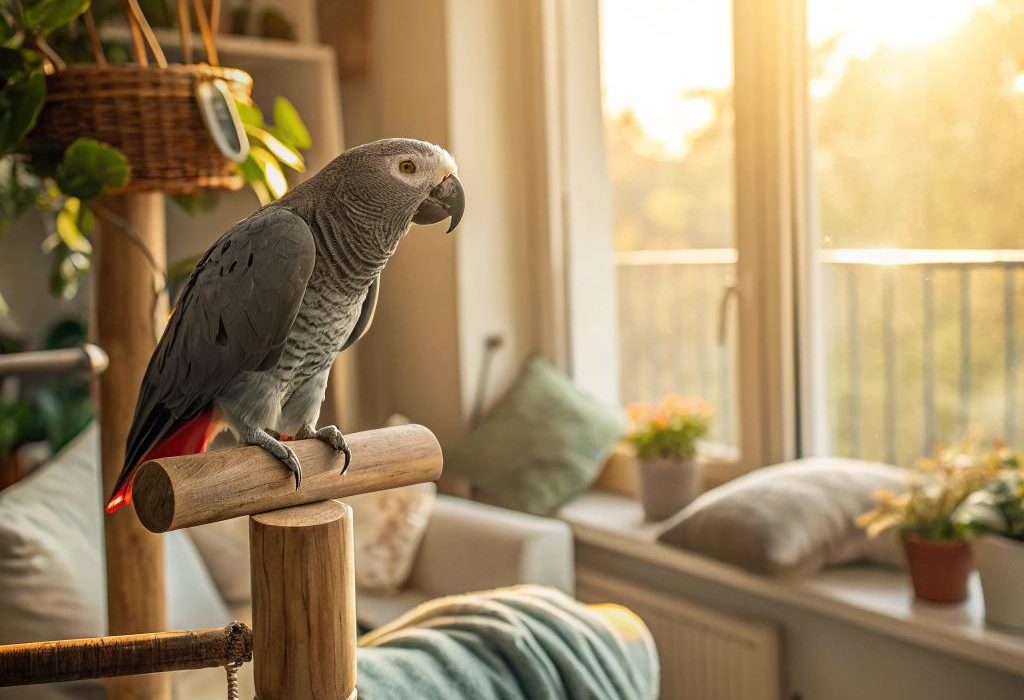
8 Key Insights on Bird Feather Plucking and Its Solutions
8 Key insights on Bird Feather Plucking and Its Solutions: Understanding a Common Challenge
Feathers are a bird’s crown jewels, showcasing their beauty and serving as crucial tools for flight, insulation, and signaling. Yet, for many avian companions, the plucking of feathers can transform this stunning display into a source of distress. Feather plucking, a behavior that perplexes many bird owners, can stem from a variety of causes, ranging from environmental factors to psychological issues. In this listicle, we delve into 8 key insights that illuminate the underlying reasons behind this troubling behavior and offer practical solutions to mitigate it.From understanding the emotional needs of your feathered friend to implementing changes in their surroundings, these insights aim to empower bird owners with knowledge and strategies to foster happier, healthier birds. Whether your a seasoned avian enthusiast or a new bird parent, get ready to uncover valuable data that can help your pet soar to new heights of well-being.
Table of Contents
- 1) Understanding the Behavior: Feather plucking in birds, often seen as a distress signal, can stem from various sources such as boredom, anxiety, or illness. Recognizing the underlying causes is essential in addressing the issue effectively.
- 2) The role of Environment: A stimulating environment plays a crucial role in preventing feather plucking. Providing toys, perches, and opportunities for exploration can significantly reduce boredom and promote mental well-being.
- 3) Diet Matters: A well-balanced diet rich in nutrients supports a bird’s overall health. An inadequate diet can lead to deficiencies that may contribute to feather plucking, making it vital to ensure proper nutrition.
- 4) Stress Factors: Identifying and mitigating stressors in a bird’s life can help alleviate feather plucking. Changes in routine, loud noises, and even the presence of other pets can affect a bird’s comfort and security.
- 5) Social Interaction: Many birds thrive on social interaction. Regular engagement with their human companions or other birds can provide the emotional support they need, helping to counteract feelings of loneliness that might lead to feather plucking.
- 6) behavioral Interventions: Employing positive reinforcement techniques can help redirect a bird’s focus away from plucking. Offering rewards for desired behaviors encourages them to engage in more productive activities.
- 7) Medical Evaluation: A thorough check-up with an avian veterinarian is crucial if feather plucking persists. It’s important to rule out any underlying medical conditions that may be responsible for the behavior.
- 8) Professional Assistance: In cases where feather plucking is severe,consulting an avian behaviorist can provide tailored strategies and solutions. Professional guidance can help develop a thorough plan to restore a bird’s well-being.
- Q&A
- The Conclusion
1) Understanding the Behavior: Feather plucking in birds, often seen as a distress signal, can stem from various sources such as boredom, anxiety, or illness. Recognizing the underlying causes is essential in addressing the issue effectively
Feather plucking in birds is a complex behavior that often signals distress, and understanding its causes is crucial for effective intervention. One of the primary triggers is boredom, particularly in captive birds that lack environmental stimulation. Birds are naturally curious and energetic creatures, and when confined without sufficient stimulation, they may resort to plucking as a way to entertain themselves. Additionally, anxiety can lead to this behavior, especially in birds that have undergone changes in their environment-like moving to a new home or experiencing shifts in routine. Such changes can create stress, manifesting in destructive behaviors like feather plucking.
Health issues also play a important role in feather plucking. Diseases such as parasites, infections, or skin conditions can drive birds to pluck their feathers in reaction to discomfort or irritation. Therefore, it’s essential to conduct a thorough examination to rule out medical problems. To manage these challenges effectively, pet owners should create an enriching environment by providing a variety of toys, social interaction, and activities that mimic natural behaviors. here’s a brief overview of common causes and their potential solutions:
| cause | solution |
|---|---|
| Boredom | Provide toys and puzzle feeders to stimulate engagement. |
| Anxiety | Establish a stable routine and minimize sudden changes. |
| Health Issues | Consult a veterinarian for proper diagnosis and treatment. |
2) The Role of Environment: A stimulating environment plays a crucial role in preventing feather plucking. Providing toys, perches, and opportunities for exploration can significantly reduce boredom and promote mental well-being
Creating a lively and engaging habitat is essential in preventing feather plucking among birds. A monotonous environment can lead to stress and boredom, which are known triggers for this destructive behavior. To counteract this, consider introducing a variety of stimulating elements in their living space. Here are some effective options:
- Toys: Rotate different types of toys regularly to keep your bird intrigued. Chew toys, puzzle toys, and foraging options can encourage natural behaviors.
- Perches: Incorporate a range of perches made from various materials and sizes to promote foot health and provide opportunities for climbing.
- Exploration: Set aside time for supervised out-of-cage exploration. This allows birds to encounter new sights and sounds, enhancing their mental stimulation.
Moreover, the arrangement of their environment can greatly impact their well-being.Birds thrive in spaces that allow for variation in height, hiding spots, and safe areas to rest. Consider the following aspects when designing their habitat:
| Environment Feature | Benefits |
|---|---|
| variety of Toys | Keeps birds engaged and reduces boredom. |
| Natural Branch Perches | Encourages healthy foot positioning and exercise. |
| Safe hiding spots | Provides a sense of security for anxious birds. |
3) Diet Matters: A well-balanced diet rich in nutrients supports a bird’s overall health. An inadequate diet can lead to deficiencies that may contribute to feather plucking, making it vital to ensure proper nutrition
A bird’s diet plays a crucial role in maintaining its physical and mental well-being. A well-balanced diet that includes a variety of fruits, vegetables, grains, and high-quality pellets provides essential nutrients that help support healthy feather growth and prevent various behavioral issues, including feather plucking.When birds lack vital nutrients, it may not only lead to a dull appearance but also heighten their stress levels, which can exacerbate problematic behaviors. Ensuring that your feathered friend has access to a diverse range of food items is essential for its happiness and overall health.
Consider incorporating a range of nutrient-rich options into your bird’s meals. below is a simple table highlighting key nutrients and their benefits, illustrating how the right dietary choices can mitigate feather plucking:
| Food Item | Nutrient | Benefit |
|---|---|---|
| Carrots | Vitamin A | Promotes healthy skin and feathers |
| Spinach | Calcium | Supports bone health and muscle function |
| Quinoa | Protein | Essential for feather development |
In addition to these key items, consider rotating fresh foods regularly to keep your bird’s diet exciting and appealing. Remember, a happy bird with a nutritious diet is less likely to engage in harmful behaviors, including feather plucking. Don’t underestimate the importance of providing proper nutrition; it can be one of the simplest yet most effective steps in enhancing your bird’s quality of life.
4) Stress Factors: Identifying and mitigating stressors in a bird’s life can help alleviate feather plucking. changes in routine, loud noises, and even the presence of other pets can affect a bird’s comfort and security
Birds are sensitive creatures, and various stress factors can significantly impact their well-being, leading to behaviors like feather plucking. To assist your feathered friend, it’s essential to closely observe their environment. Changes in routine, such as a sudden shift in feeding time or a move to a new cage, can be distressing. Moreover,consider the sounds that permeate their space; loud noises from the TV,appliances,or even construction work can provoke anxiety. Other pets, especially those that are predatory in nature like cats and dogs, can create an atmosphere of fear for birds, further exacerbating stress.
to help your bird feel more secure, implementing a few strategic changes can make a big difference.Here are some effective stress-relief strategies:
- Establish a consistent routine: Maintain regular feeding and playtime schedules.
- Create a quiet sanctuary: Designate a calm area away from noise and chaos.
- Gradual introductions: When introducing new pets, take it slow, allowing your bird to acclimate to their presence.
- Praise and positive reinforcement: Reinforce desired behavior with treats and attention to build trust.
5) Social Interaction: Many birds thrive on social interaction. Regular engagement with their human companions or other birds can provide the emotional support they need, helping to counteract feelings of loneliness that might lead to feather plucking
Birds are inherently social creatures, and their need for companionship is not just a luxury-it’s a crucial aspect of their well-being. Regular interaction with their human companions or other birds can profoundly impact their emotional health. Engaging with your feathered friend can take many forms, from casual conversations to dedicated playtime. it’s essential to understand that when birds feel isolated, they may resort to destructive behaviors, such as feather plucking, as a coping mechanism. Providing them with a stimulating environment fosters their natural behaviors and enriches their lives.
To ensure your bird remains emotionally satisfied, consider integrating the following activities into your routine:
- Socialization sessions: Dedicate time each day to interact with your bird. This can include gentle talks, singing, or simply being present.
- Playdates: If you have multiple birds, allow them to interact with each other under supervision to encourage social bonding.
- Enriching toys: Invest in toys that promote interaction, such as puzzle feeders or foraging items that require teamwork to solve.
- Out-of-cage time: Let your bird explore safe areas outside the cage,allowing for new experiences and engagement.
| Engagement Activity | benefits |
|---|---|
| Talking | Builds a bond and reduces stress |
| Playtime | Encourages physical activity and mental stimulation |
| Bird Playdates | Fosters social skills and companionship |
By keeping your bird socially engaged,you can significantly lower the risk of feather plucking and promote a happier,healthier life for your avian companion. Remember, a bird that feels loved and connected is far less likely to seek emotional relief through destructive behaviors, making social interaction a vital pillar of bird care.
6) Behavioral Interventions: Employing positive reinforcement techniques can definitely help redirect a bird’s focus away from plucking. Offering rewards for desired behaviors encourages them to engage in more productive activities
Implementing behavioral interventions can play a crucial role in diminishing feather plucking tendencies in birds. by focusing on positive reinforcement techniques, you can shift your feathered friend’s attention to more constructive behaviors. It’s essential to identify specific actions that you want to encourage – whether it’s playing with toys, exploring their environment, or even simple social interactions.When your bird engages in these positive behaviors, rewarding them with treats, praise, or extra playtime can reinforce these habits, ultimately redirecting their energy away from destructive actions. Consistency is key; the more regularly you provide rewards for good behavior, the more likely your bird will adopt these habits as part of their routine.
To effectively track and evaluate progress, you might consider keeping a behavioral log. This will help you pinpoint which rewards are most effective for your bird and identify patterns in their behavior. Here’s a simple layout for your log:
| Date | Desired Behavior | Reward Given | notes |
|---|---|---|---|
| 01/01/2023 | Playing with toy | Favorite treat | bird engaged for 15 minutes |
| 01/02/2023 | Interactive training | Extra cuddle time | Showed interest in tricks |
Incorporating these techniques into your bird’s daily routine not only fosters a healthier environment but also strengthens the bond between you and your pet. As your bird becomes more engaged in positive activities, the likelihood of plucking can decrease significantly, leading to a happier and healthier life for your companion.
7) Medical Evaluation: A thorough check-up with an avian veterinarian is crucial if feather plucking persists. It’s important to rule out any underlying medical conditions that may be responsible for the behavior
When a bird exhibits persistent feather plucking, the behavior can often be distressing for both the pet and its owner. A comprehensive veterinary evaluation is not just important; it’s essential. An avian veterinarian specializes in the health and well-being of birds,and they have the knowledge to identify both common and less obvious medical issues. During the evaluation, be prepared for your vet to perform a series of tests, including blood work and skin examinations. They will look for conditions such as:
- Infections – Bacterial or fungal infections can irritate a bird’s skin and trigger plucking.
- Allergies – Environmental or dietary allergies may cause discomfort and lead to feather loss.
- Nutritional Deficiencies – Inadequate nutrition can weaken feather health and cause plucking.
- Parasites – Infestations from mites or lice can lead to itchiness and irritation.
Moreover, the examination shouldn’t be taken lightly; it can unveil significant health issues that may or else go unnoticed. Early diagnosis can help prevent the progression of underlying problems, which might lead to chronic distress for your feathered friend. If necessary, your veterinarian may also suggest behavioral assessments or recommend a specialist, ensuring a multi-faceted approach to both physical and psychological care. The right diagnosis is the first step toward creating an effective treatment plan, paving the way for recovery and happier, fluffier days ahead.
8) Professional Assistance: In cases where feather plucking is severe, consulting an avian behaviorist can provide tailored strategies and solutions. Professional guidance can help develop a comprehensive plan to restore a bird’s well-being
When the issue of feather plucking becomes pronounced, seeking the expertise of an avian behaviorist can be a game-changing decision for both birds and their owners.These specialists are trained to understand the intricate nuances of bird behavior,allowing them to identify the root causes of plucking. By conducting a thorough assessment of the bird’s environment,health,and social interactions,a behaviorist can craft personalized strategies that address the specific triggers of the behavior.this tailored approach not only aims to reduce plucking but also promotes overall well-being, creating a healthier and happier bird.
Working closely with an avian behaviorist can lead to the implementation of effective interventions, which may include:
- Environmental Enrichment: Strategies to make the bird’s habitat more stimulating.
- Behavior modification Techniques: Approaches to redirect unwanted behaviors.
- Stress Reduction Methods: Tools to help the bird feel safe and secure.
- Routine Establishment: Creating structured daily schedules to provide predictability.
The combined expertise of you and the professional can lead to an improved quality of life for your feathered friend. Consistent follow-ups help track progress and adjust the tailored plan,ensuring the bird receives the best possible care as it transitions away from feather plucking.
Q&A
8 Key Insights on Bird Feather Plucking and Its Solutions
What is feather plucking in birds?
Feather plucking, also known as feather picking, is a behavioral condition where birds remove their own feathers using their beaks. This behavior can lead to significant feather loss, skin irritation, and can sometimes become a self-destructive habit.
What causes feather plucking in birds?
Feather plucking can be attributed to various factors, which may include:
- stress and Anxiety: Birds are sensitive creatures, and changes in their environment can lead to stress.
- Loneliness: Birds are social animals,and a lack of interaction can result in boredom or anxiety.
- Medical Issues: Underlying health problems such as skin infections or allergies can trigger feather plucking.
- Environmental Factors: Poor living conditions, inadequate space, and insufficient enrichment can contribute to this behavior.
How can I identify if my bird is plucking its feathers?
Bird feather plucking can be identified by observing the following signs:
- visible patches of missing feathers on the body.
- Excessive preening behavior or compulsive feather biting.
- Skin irritation, redness, or visible wounds.
- changes in behavior, such as lethargy or avoidance of social interaction.
What should I do if my bird is plucking its feathers?
if you notice your bird plucking its feathers, it’s important to take immediate action by:
- Consulting a veterinarian to rule out any medical issues.
- Evaluating the bird’s environment for stressors and making necessary changes.
- Introducing new toys and enrichment activities to alleviate boredom.
- Spending more quality time with your bird to reduce loneliness.
Are there any medical treatments for feather plucking?
Yes, there are several medical treatments to address feather plucking, which may include:
- Medication: Antidepressants or anti-anxiety medications prescribed by a vet.
- Topical Treatments: Creams or sprays to soothe skin irritations and discourage feather plucking.
- Behavior Modification Techniques: Guided activities to help redirect the bird’s behavior.
How can I improve my bird’s environment to prevent feather plucking?
Enhancing your bird’s environment can significantly help in preventing feather plucking. Consider the following strategies:
- Enrichment: Provide a variety of toys, perches, and activities to keep your bird mentally stimulated.
- Social Interaction: Ensure your bird has plenty of interaction with you and, if possible, with other birds.
- Proper Space: Ensure the bird’s cage is spacious enough for movement and exploration.
- Routine Changes: Introduce new routines or elements into your bird’s daily life to keep them engaged.
Can diet influence feather plucking behavior?
Yes, diet plays a crucial role in your bird’s overall health and can influence feather plucking. Important considerations include:
- nutritional Balance: Ensure a well-rounded diet rich in vitamins and minerals.
- Fresh Foods: Incorporate fruits, vegetables, and seeds that stimulate natural foraging behaviors.
- Avoiding Processed Foods: Limit the intake of unhealthy or processed foods that can lead to deficiencies.
What long-term strategies can I employ to manage feather plucking?
For long-term management of feather plucking, consider the following strategies:
- Regular Veterinary Check-ups: Maintain consistent health assessments to address emerging issues.
- Behavioral Training: Work with an avian behaviorist to develop coping strategies.
- Continual Enrichment: Keep introducing new and varied materials to maintain interest.
- peer Support: Join bird owner communities to share experiences and solutions with others.
The Conclusion
As we come to the end of our exploration into the intricate world of bird feather plucking, it’s clear that this behavior is far more than just a quirky avian habit. Understanding the underlying factors-be it environmental stressors, psychological challenges, or medical conditions-can equip bird owners and caregivers with the knowledge they need to foster a healthier, happier environment for their feathered friends.
Each insight we’ve discussed offers a stepping stone toward a comprehensive approach to prevention and healing, emphasizing the importance of patience, observation, and a tailored care plan. remember, the journey toward resolution may take time, but the bond you’ll strengthen with your bird throughout this process can be incredibly rewarding.
As you step forward, armed with new understanding and potential solutions, take heart in knowing that, with the right support, it’s possible to turn the tide for our beloved avian companions. May your efforts lead to vibrant plumage and joyful chirps in your home! Thank you for joining us in this enlightening conversation. Happy bird-keeping!


23 Comments
This article provides a valuable overview of the issues behind feather plucking and practical solutions that can help pet owners manage this behavior effectively.
Stephanie Foster: I found the suggestions on environmental enrichment particularly helpful, as it emphasizes the importance of mental stimulation for our birds to reduce stress and prevent plucking.
Evelyn Wells-Stevens: The insights shared about the possible medical causes of feather plucking are crucial, as it reminds us that sometimes underlying health issues may need to be addressed before we can successfully modify the behavior.
The connection between behavioral and emotional factors in feather plucking highlighted in this article adds an important layer to understanding our birds; addressing their psychological needs is just as vital as tackling any physical health concerns.
I appreciate how this article not only identifies the multifaceted reasons behind feather plucking but also offers actionable strategies that can empower bird owners to create a healthier and more nurturing environment for their pets.
Susan Mitchell: The emphasis on a holistic approach that combines environmental, behavioral, and medical aspects of feather plucking is refreshing; it really underscores the complexity of the issue and the need for bird owners to take a comprehensive view when addressing this behavior.
Joan Washington: The article does an excellent job of emphasizing the importance of routine vet check-ups to rule out any health issues that may contribute to feather plucking; it’s a reminder that proactive health care is essential for our birds’ well-being.
The discussion around the social and environmental factors influencing feather plucking is particularly insightful, as it highlights the importance of providing social interaction and enrichment to prevent this behavior; creating a stimulating environment is key for our feathered friends’ mental health.
The article’s exploration of the role of stress and anxiety in feather plucking is crucial; it reinforces the need for bird owners to be attentive to the emotional states of their birds and to implement strategies that promote calmness and security in their environment.
The insights provided in this article serve as a critical resource for bird owners seeking to understand the underlying causes of feather plucking; it emphasizes the importance of a multi-faceted approach that addresses both behavioral and environmental needs, ultimately guiding owners to make meaningful changes for their birds’ welfare.
The article’s insights into the various triggers for feather plucking, including boredom and lack of stimulation, provide invaluable guidance for bird owners; it highlights the need for engaging activities and enriching environments to keep birds happy and healthy, ultimately reducing the likelihood of this distressing behavior.
This article offers a comprehensive overview of the various factors contributing to feather plucking, making it a vital read for bird owners; it underscores the need for proactive measures and consistent care to foster a supportive environment that promotes the overall health and happiness of our avian companions.
This article brilliantly synthesizes the complex interplay of emotional and environmental factors that lead to feather plucking, emphasizing that understanding a bird’s individual needs and fostering a nurturing environment are essential for promoting their well-being and preventing such behaviors.
This article presents a thorough examination of feather plucking, highlighting key preventive measures and the significance of emotional well-being in birds; it serves as an essential guide for bird owners to create an enriching and supportive atmosphere, ultimately leading to healthier and happier pets.
This article offers a profound exploration of feather plucking, unpacking the psychological and environmental aspects that influence this behavior; it is crucial for bird owners to grasp these insights and implement effective strategies to ensure their birds thrive in a healthy and stimulating environment.
This article effectively outlines the critical factors leading to feather plucking while providing practical solutions that bird owners can implement; it reinforces the importance of a tailored approach to each bird’s needs, ensuring they receive the care and attention necessary for their mental and physical well-being.
This article provides invaluable insights into the various causes of feather plucking while equipping bird owners with actionable steps to address the issue; it reinforces the necessity of understanding each bird’s unique personality and environment, ultimately guiding owners toward creating a more harmonious and happy living situation for their feathered friends.
This article offers a comprehensive analysis of feather plucking, delving into various underlying issues while providing clear solutions for bird owners; its emphasis on recognizing and addressing the specific needs of each bird is vital in fostering a healthy, supportive environment that can greatly reduce such distressing behaviors.
This article does an excellent job of addressing the complex reasons behind feather plucking and offers practical advice for bird owners; understanding these factors and implementing the suggested solutions is essential for promoting the overall health and happiness of our avian companions.
This article thoughtfully examines the multifaceted reasons behind feather plucking and empowers bird owners with effective strategies to mitigate this issue; recognizing the individual needs of each bird is key to fostering a nurturing environment that enhances their well-being and reduces stress-related behaviors.
This article thoroughly explores the complex issue of feather plucking among birds, offering insightful solutions that highlight the importance of individualized care; by understanding the specific triggers and needs of each bird, owners can implement more effective strategies to promote both mental and physical health, ultimately fostering a happier and more stable environment for their pets.
This article effectively sheds light on the various factors contributing to feather plucking in birds, emphasizing the importance of tailored care strategies; by encouraging bird owners to consider individual circumstances and needs, it serves as a crucial resource for fostering healthier and happier birds.
This article provides a valuable examination of feather plucking in birds, highlighting its various causes and presenting thoughtful solutions; by fostering a deeper understanding of each bird’s unique situation, it empowers owners to create a more supportive environment that can effectively reduce this challenging behavior.