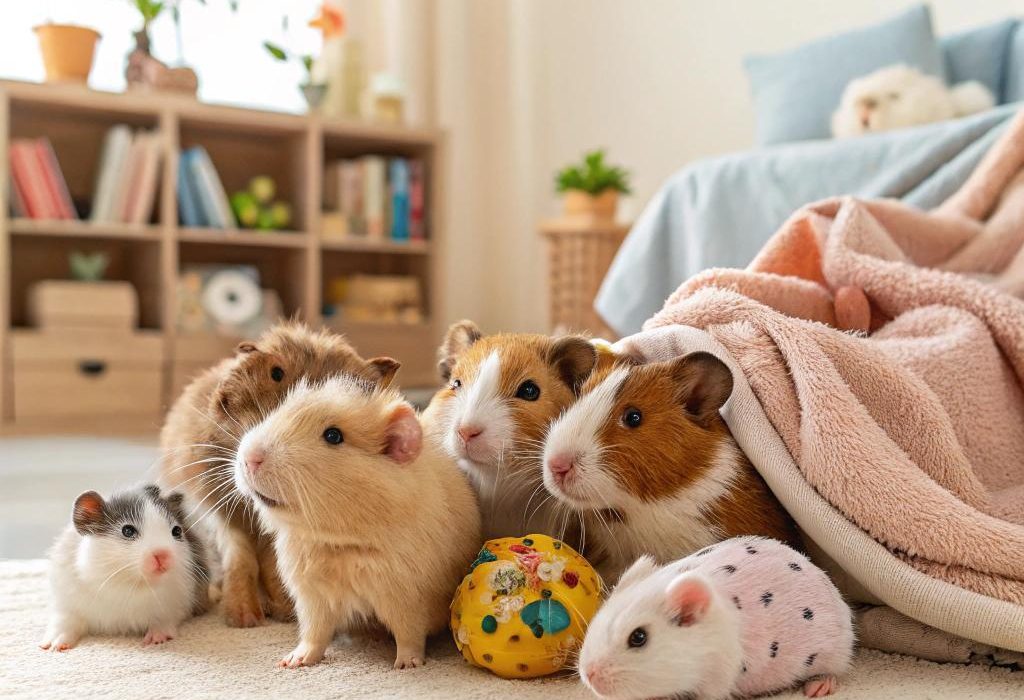
8 Key Factors to Choose: Hamster vs. Guinea Pig for You
Finding the perfect furry friend to welcome into your home can be a delightful yet daunting task, especially when it comes down to choosing between two of the most popular small pets: hamsters and guinea pigs. Each creature offers a unique blend of personality, care requirements, and companionship that can profoundly affect your lifestyle and living environment. In this listicle, we’ll delve into 8 key factors to consider when making your decision, from their dietary needs and social behaviors to space requirements and grooming demands. Whether you’re a first-time pet owner or looking to add a new member to your family, this comprehensive guide will empower you with the insights you need to determine which adorable companion is the right fit for you! So grab a cup of tea, settle in, and let’s explore what it takes to provide a loving home for either of these charming critters.
Table of Contents
- 1) Space Requirements: Consider the size of your living area, as hamsters need less space than guinea pigs. A hamster can thrive in a smaller cage,while guinea pigs require a larger habitat to roam and exercise.
- 2) Noise Levels: Evaluate the noise tolerance of your household. Hamsters are generally quieter, making them perfect for apartments. In contrast, guinea pigs often vocalize and can be quite loud, especially during social interactions.
- 3) Care and Maintenance: Think about the daily care involved. Hamsters are low maintenance, needing simple cleanings and basic care, while guinea pigs require more attention, including regular social interaction and a more extensive cleaning routine.
- 4) Lifespan: Research the lifespan of each pet. Hamsters typically live 2 to 3 years, whereas guinea pigs can live 5 to 7 years or more. This difference may impact your long-term commitment and emotional investment.
- 5) Social Needs: Reflect on your ability to provide social interaction. Hamsters can be solitary,enjoying time alone,whereas guinea pigs are herd animals that thrive on companionship with others,requiring more engagement from their owners.
- 6) Feeding Habits: Investigate the dietary requirements. Hamsters have simpler diets, mainly consisting of pellets and occasional treats, while guinea pigs need a more varied diet with hay, fresh vegetables, and specially formulated pellets.
- 7) Handling and Playtime: Contemplate how much interaction you want. While hamsters can be handled and enjoy exercise in a ball,they are frequently enough skittish. Guinea pigs are generally more social and enjoy being held and played with, making them ideal for family activities.
- 8) Grooming Needs: Assess the grooming demands. Hamsters generally require limited grooming, especially the short-haired varieties. In contrast, guinea pigs may need regular brushing to maintain their coat and prevent matting, especially the long-haired breeds.
- Q&A
- In Retrospect
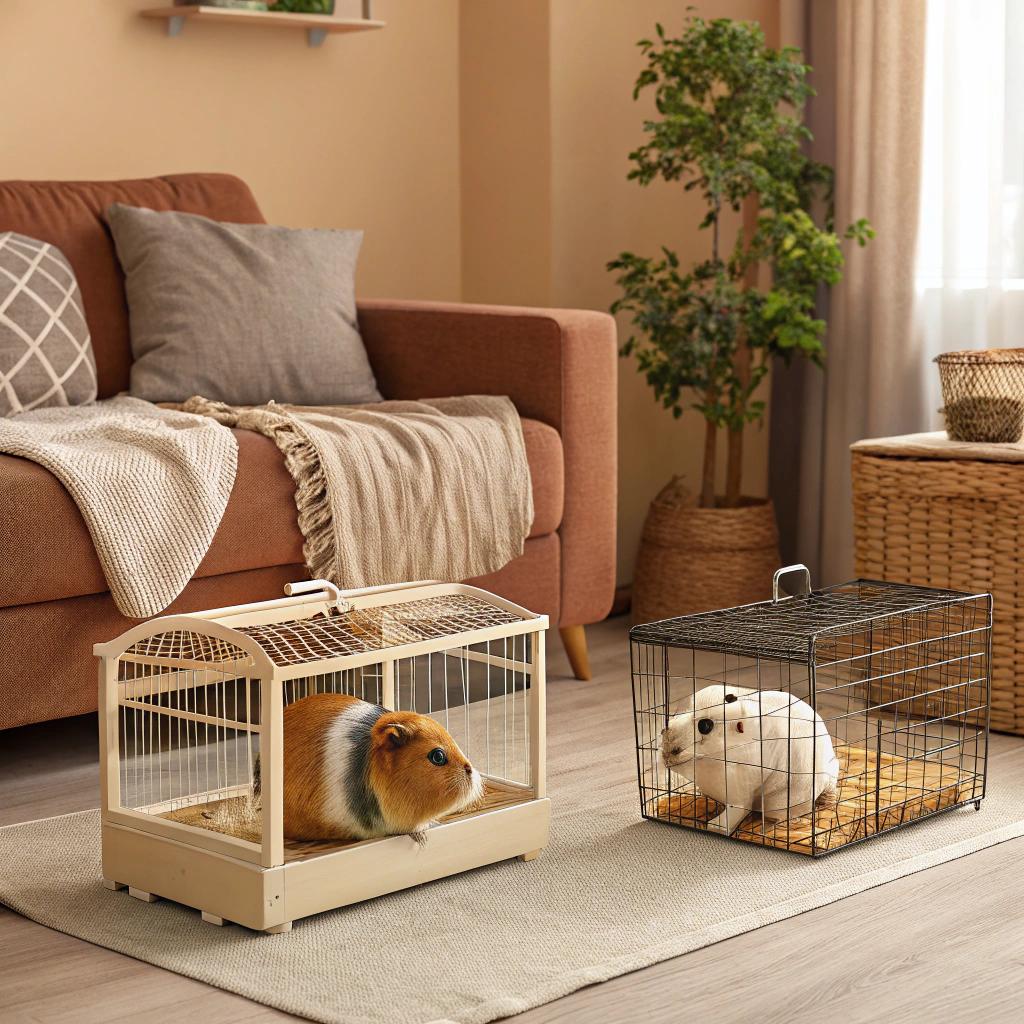
1) Space Requirements: Consider the size of your living area, as hamsters need less space than guinea pigs. A hamster can thrive in a smaller cage, while guinea pigs require a larger habitat to roam and exercise
When deciding between a hamster and a guinea pig, it’s essential to take their space requirements into account.hamsters are relatively small creatures and can comfortably live in a cage that measures around 24” x 12” x 12”. This compact size allows them to thrive even in smaller living spaces such as apartments or cozy homes.Additionally,since hamsters are nocturnal and spend a lot of time in their bedding,their environmental needs can be met within this limited area,making them excellent pets for people with constrained space.
On the other hand, guinea pigs are social animals that require significantly more room to move around and exercise. A basic cage for a guinea pig should be at least 30” x 36”, and larger is always better to ensure they have space to roam.Guinea pigs are also known for their playful nature, needing room for activities and social interaction. thus, if you have a larger living area, a guinea pig could be the perfect companion, giving them the environment they need to flourish.
| Pet Type | Minimum Space Requirement |
|---|---|
| Hamster | 24” x 12” x 12” |
| Guinea Pig | 30” x 36” |
2) Noise Levels: Evaluate the noise tolerance of your household. Hamsters are generally quieter, making them perfect for apartments. In contrast, guinea pigs often vocalize and can be quite loud, especially during social interactions
When considering a pet, noise levels can be a important factor, especially for those living in close quarters like apartments or shared housing. Hamsters, with their nocturnal tendencies, are generally quieter and tend to spend most of their time in their cozy nests. Their occasional squeaks or wheel-runs can be easily masked by normal household noises, making them ideal companions for those who prefer a low-volume atmosphere. Hear are a few reasons why hamsters may fit seamlessly into your noise-sensitive environment:
- Minimal vocalization: Most hamsters are silent, with only brief noises heard during playtime.
- Late-night activity: their nocturnal lifestyle means they are active when most people are asleep.
- Less social interaction noise: They don’t require extra vocal interaction, unlike some other pets.
On the flip side, guinea pigs are known for their vocal personalities. Their charming array of sounds, from squeaking to wheeking, can create an engaging—but sometimes loud—environment, particularly during social interactions or feeding times. If you enjoy lively animal chatter and can accommodate their need for companionship, a guinea pig might be a delightful addition. However, if you are sensitive to noise, consider the following points about guinea pigs:
- Vocal communication: They express emotions through a variety of sounds, which can be endearing but also loud.
- Social needs: These animals thrive in pairs or groups, leading to more frequent vocal exchanges.
- Excitement sounds: They may make loud noises when anticipating treats or playtime.
3) Care and Maintenance: Think about the daily care involved. Hamsters are low maintenance,needing simple cleanings and basic care,while guinea pigs require more attention,including regular social interaction and a more extensive cleaning routine
When it comes to daily care,hamsters are often celebrated for their low-maintenance needs. A simple routine of keeping their cage clean and providing fresh food and water is usually sufficient. Their bedding should be changed weekly, and they will happily occupy themselves with toys and exercise wheels, making them perfect for those with a busy lifestyle. Daily tasks include:
- Providing fresh water and food.
- Spot cleaning soiled bedding as needed.
- checking toys and enrichment items for wear and tear.
In contrast, guinea pigs demand a bit more attention and social interaction on a daily basis. These social creatures thrive on companionship,either with their own kind or with human caretakers. Regular handling and gentle playtime are essential to ensure their well-being. Additionally, their cleaning routine is more involved, requiring a change of bedding every few days and frequent spot checks for droppings. Key aspects of guinea pig maintenance include:
- Daily social interaction and playtime.
- Changing bedding every 2-3 days and cleaning the cage regularly.
- Grooming as they can develop matted fur and need nail trimming.
4) Lifespan: Research the lifespan of each pet. Hamsters typically live 2 to 3 years, whereas guinea pigs can live 5 to 7 years or more. This difference may impact your long-term commitment and emotional investment
When considering your next furry companion, understanding their expected lifespan is essential to gauge your long-term commitment. Hamsters,although adorable and relatively low-maintenance,typically live for only 2 to 3 years. This shorter lifespan may make it easier for some pet owners to manage the emotional ups and downs of having a pet. However, this fleeting time can also lead to feelings of loss more frequently. Conversely, guinea pigs boast a considerably longer lifespan of 5 to 7 years or more, giving you more time to bond and create lasting memories. This extended companionship can be rewarding but requires a more significant emotional investment and preparedness for the eventual goodbye.
Keep in mind that the lifespan of any pet can vary based on factors like genetics, care, and environment. Here’s a rapid comparison in a simple table format:
| Pet Type | Lifespan |
|---|---|
| Hamster | 2-3 years |
| Guinea Pig | 5-7 years or more |
Choosing between a hamster and a guinea pig impacts not just your home but also your heart. If you foresee a desire for a longer-term bond, a guinea pig may be the right choice. Conversely, if you prefer a pet with shorter commitments to adapt to, a hamster could fit snugly into your life.
5) Social Needs: Reflect on your ability to provide social interaction. Hamsters can be solitary, enjoying time alone, whereas guinea pigs are herd animals that thrive on companionship with others, requiring more engagement from their owners
Understanding social needs is crucial in making the right choice between a hamster and a guinea pig. Hamsters, while adorable and entertaining, are often solitary creatures by nature. They typically prefer their own company and are quite content scurrying around their cages alone, making it easier for owners who may not have extensive time to engage in play or handling. This independence can be a significant advantage for someone looking for a more low-maintenance pet or for those with busy schedules who may not always be available for interactive bonding sessions.
On the other hand, guinea pigs thrive on social interaction, not just with humans but also with other guinea pigs. They are herd animals by instinct and require companionship to maintain their happiness and mental well-being. If you’re considering a guinea pig,be prepared for a more engaging relationship,were time spent together is essential to meet their social needs. Daily interaction, such as petting and talking, is vital, and many enthusiasts advocate for keeping them in pairs or small groups to foster their natural tendencies for companionship. This means that guinea pigs are the pet of choice for those who enjoy spending quality time with their furry friends, engaging in their whimsical antics, and providing them with the social narrative they crave.
| Aspect | Hamster | Guinea Pig |
|---|---|---|
| Social Interaction | prefer solitude | Thrive on companionship |
| Engagement with Owners | minimal required | High required |
| Ideal Environment | Single living | Group living |
6) Feeding Habits: Investigate the dietary requirements. Hamsters have simpler diets, mainly consisting of pellets and occasional treats, while guinea pigs need a more varied diet with hay, fresh vegetables, and specially formulated pellets
When it comes to caring for hamsters, their dietary needs are relatively straightforward. These small pets thrive on a diet primarily composed of high-quality pellets specifically formulated for their nutritional needs. A typical hamster diet may also include occasional treats such as fresh fruits,vegetables,and nuts. However, it’s crucial to avoid overfeeding these extras, as they can lead to digestive issues and obesity. To keep things interesting for your furry friend, you can offer treats like sunflower seeds or dried fruits in moderation, ensuring a balanced intake that supports their overall health.
In contrast, guinea pigs have a more complex set of dietary requirements that reflect their herbivorous nature. Their daily menu should consist of unlimited hay, which is essential for their digestive health and helps to wear down their continuously growing teeth.Alongside hay,incorporating fresh vegetables like bell peppers,carrots,and leafy greens into their diet is vital to provide the necessary vitamins,particularly vitamin C,which they cannot synthesize on their own. Additionally,selecting high-fiber pellets designed specifically for guinea pigs ensures they receive a well-rounded diet. Here’s a quick comparison of their feeding habits:
| Feature | Hamsters | Guinea Pigs |
|---|---|---|
| base Diet | Pellets | Hay |
| Treats | Occasional fruits and nuts | Fresh vegetables |
| Vitamin Needs | Minimal | Critical (Vitamin C) |
7) Handling and Playtime: Contemplate how much interaction you want. While hamsters can be handled and enjoy exercise in a ball, they are often skittish. Guinea pigs are generally more social and enjoy being held and played with, making them ideal for family activities
When considering bringing a small pet into your home, the level of interaction and playtime you desire can significantly sway your choice between a hamster and a guinea pig. Hamsters, while adorable and entertaining, tend to be more on the skittish side. They may require time to adjust to handling, and even then, they might prefer to explore their environment rather than snuggle. If you opt for a hamster,be prepared for occasional nippy tendencies; these little critters can be easily startled and may dash away if they feel threatened. It’s vital to gently train them by using positive reinforcement and ample patience to build trust over time.They do appreciate exercise, though, and can enjoy running in their exercise balls or on hamster wheels, providing a fun activity for them and observing joy for you.
On the other hand, guinea pigs come equipped with a more outgoing personality, often thriving in social environments. They are known for their loving nature and will greet you with comforting squeaks, eager for your attention. These fluffy companions typically enjoy being held, making them great for family activities where young children can learn the joys of caring for a pet. They will cuddle up in your lap, actively engaging with you during playtime. Engaging in activities like floor play, interactive toys, or even some light training sessions can greatly stimulate their minds and strengthen your bond. ultimately, if you’re after a more interactive and affectionate pet experience, guinea pigs might potentially be the ideal choice.
8) Grooming Needs: Assess the grooming demands. Hamsters generally require limited grooming, especially the short-haired varieties. In contrast, guinea pigs may need regular brushing to maintain their coat and prevent matting, particularly the long-haired breeds
When considering the grooming needs of your new furry friend, it’s essential to recognize the differences between hamsters and guinea pigs. hamsters, particularly the short-haired varieties, are relatively low-maintenance in terms of grooming. A quick weekly check can often suffice to keep them clean and healthy, as they groom themselves effectively. In fact, too much handling during grooming can stress hamsters, so it’s best to let them do their own thing while ensuring their habitat is clean and tidy.
On the other hand, guinea pigs are a different story. They boast a variety of coat types, and their grooming needs vary accordingly. Long-haired breeds, such as the Peruvian or Abyssinian, require regular brushing to prevent awful tangles and matting. In general, it’s recommended to brush them a few times a week, along with occasional baths to maintain their coat’s health and shine. Here’s a quick comparison of grooming needs for both pets:
| Pet Type | Grooming Frequency | Additional Care |
|---|---|---|
| Hamster | Weekly check | Self-grooming |
| Guinea Pig (Short-haired) | Weekly brushing | Occasional bath |
| Guinea Pig (Long-haired) | 2-3 times per week | Regular baths |
Q&A
8 Key Factors to Choose: Hamster vs. Guinea Pig for you
What are the basic differences in size between hamsters and guinea pigs?
When it comes to size, hamsters are generally much smaller than guinea pigs. Hamsters typically range from about 2 to 6 inches in length, depending on the species (such as Syrian, dwarf, or Roborovski). In contrast, guinea pigs are larger, measuring between 8 to 12 inches long.This size difference can influence the type of cage and environment you’ll need for your pet.
How do their lifespans compare?
The lifespan of these two adorable rodents varies quite a bit. Hamsters usually live around 2 to 3 years, while guinea pigs have a longer lifespan, averaging 4 to 6 years, or even longer if properly cared for. This factor is essential to consider, especially if you’re looking for a long-term pet.
What are their social needs like?
Guinea pigs are highly social creatures and thrive best in pairs or small groups. they require companionship to remain happy and healthy.Hamsters, conversely, are generally more solitary. While some species can tolerate being kept with others, many hamsters prefer to live alone, especially male Syrian hamsters. Your choice will depend on whether you can accommodate one or more pets.
How do their care and maintenance needs differ?
Both hamsters and guinea pigs have unique care requirements.Hamsters need a clean cage, fresh food, and an exercise wheel to keep active.They also require bedding that is clean and safe for burrowing. Guinea pigs, though, need a larger cage with plenty of space to roam, fresh vegetables along with pellets, and a vitamin C supplement as they cannot produce it on their own. Understanding these care needs can help you decide which pet fits your lifestyle better.
What are their dietary requirements?
Hamsters typically eat a mix of commercial pellets and some fresh fruits and vegetables as occasional treats. They require high-protein foods and have specific dietary needs based on their species. In contrast, guinea pigs require a diet rich in hay, pellets, and fresh veggies daily, particularly leafy greens, to meet their nutritional needs.Their reliance on hay is crucial for their digestive health. Consider how much time and effort you can devote to your pet’s diet when making your choice.
What type of habitat do they require?
Hamsters can live comfortably in smaller cages compared to guinea pigs. A well-ventilated cage with tunnels and exercise wheels is sufficient for a hamster’s habitat. Guinea pigs, being larger and more active, need a spacious cage with plenty of room to roam and explore. They benefit from various hideouts and enrichment items to keep their environment stimulating.Evaluate the space you can dedicate to a pet when deciding on either hamster or guinea pig.
how do their temperaments compare?
In general, hamsters can be more skittish and nocturnal, leading to different interaction experiences, especially during the day. With patience and gentle handling, they can be tamed, but they require quiet environments to thrive. Guinea pigs are usually more laid-back and affectionate, enjoying interaction with their owners.They frequently enough make more noticeable sounds and are known for their playful nature, which might appeal more if you’re looking for a cuddly companion.
What is the cost of owning one compared to the other?
When looking at the costs involved, hamsters are generally less expensive to maintain, requiring fewer supplies and lower food costs. However, their cages and bedding should still be frequently changed. On the other hand, guinea pigs often come with higher upfront costs due to their larger cages and need for more food, along with potential vet expenses for ill health due to their dietary needs. Consider your budget when deciding which pet aligns better with your financial situation.
In Retrospect
whether you’re leaning toward the spirited charm of a hamster or the sociable nature of a guinea pig, making the right choice comes down to understanding your lifestyle, preferences, and the unique needs of these adorable pets. Each brings its own joy and quirks, and your decision should reflect not just the animal’s characteristics but how well they will fit into your home and routine. Weigh the key factors we’ve explored—space, social needs, care requirements, and more—to ensure you choose a furry companion that complements your life. Remember, the best pet for you is the one that brings smiles, laughter, and fulfillment to your everyday moments. Happy pet parenting!



26 Comments
I found this comparison really helpful in deciding which pet would be a better fit for my lifestyle.
I appreciate the detailed insights; it’s great to weigh the pros and cons before choosing the right pet.
This article provides a fantastic breakdown of what to consider; understanding their social needs and space requirements really makes the decision clearer.
This guide is incredibly useful for anyone torn between the two; considering factors like temperament and care level truly helps in making an informed choice.
This post is a great resource for prospective pet owners; it highlights important aspects like diet and lifespan that can significantly influence your decision.
This post is an excellent way to outline the differences between hamsters and guinea pigs, making it easier to choose the right pet based on individual preferences and living situations.
This post does an excellent job of comparing the two pets; it really emphasizes how important it is to consider not just personal preference, but also their specific needs and compatibility with your lifestyle.
This article does an outstanding job of summarizing the key differences and crucial factors to consider, providing valuable insights for anyone debating between adopting a hamster or a guinea pig.
This article is incredibly informative and provides a comprehensive look at the nuances between hamsters and guinea pigs, making it easier for potential pet owners to make a thoughtful decision that aligns with their lifestyle and needs.
This article is a fantastic guide for anyone considering adding a small pet to their home; it effectively breaks down the essential factors to help readers make an informed choice based on their preferences and commitment level.
This article serves as a practical resource for prospective pet owners, highlighting the differences in care and temperament between hamsters and guinea pigs, which ultimately aids in selecting the right furry companion to fit one’s lifestyle.
This article clearly outlines the major considerations when choosing between hamsters and guinea pigs, making it an essential read for anyone looking to bring one of these charming pets into their home while ensuring they make the best choice for their situation and lifestyle.
This article is a must-read for anyone contemplating between getting a hamster or a guinea pig, as it succinctly details the important aspects to consider, ensuring that future pet owners can choose the pet that best suits their circumstances and preferences.
This article effectively addresses the crucial distinctions between hamsters and guinea pigs, offering valuable insights that empower prospective pet owners to make a choice that aligns with their living situations and expectations.
This article provides a comprehensive comparison of hamsters and guinea pigs, making it an invaluable resource for anyone looking to adopt a pet that fits their lifestyle and home environment, ensuring a well-informed decision.
This article provides a balanced and thorough exploration of what to consider when deciding between a hamster and a guinea pig, guiding future pet owners to reflect on their personal circumstances and preferences before making a commitment.
This article skillfully highlights the key differences and requirements of hamsters and guinea pigs, making it an excellent guide for prospective pet owners to assess which pet would be a better fit for their specific needs and lifestyle.
This article does an excellent job of breaking down the essential factors to consider when choosing between a hamster and a guinea pig, helping potential pet owners make an informed and suitable choice based on their lifestyle and care capabilities.
This article presents a thoughtful analysis of the considerations involved in selecting between a hamster and a guinea pig, enabling readers to understand the unique attributes of each pet and how they can best fit into their daily lives and routines.
This article effectively delineates the primary factors that should influence the choice between a hamster and a guinea pig, offering insightful guidance that can help potential pet owners align their preferences and responsibilities with the needs of these charming animals.
This article offers a comprehensive comparison of hamsters and guinea pigs, empowering readers to carefully evaluate their living situations and pet care abilities in order to select the most compatible companion for their lifestyle.
This article provides valuable insights into the distinct personalities and care needs of hamsters and guinea pigs, equipping readers with the knowledge necessary to make a well-informed decision that aligns with their living conditions and daily commitments.
This article succinctly articulates the critical elements to consider when choosing between a hamster and a guinea pig, guiding readers in making a thoughtful decision that matches their personal circumstances and pet ownership goals.
This article brilliantly outlines the essential criteria for choosing between a hamster and a guinea pig, allowing prospective pet owners to assess their own lifestyles and preferences to find the perfect furry friend for their home.
This article thoroughly examines the core considerations for deciding between a hamster and a guinea pig, providing prospective pet owners with a clear framework to evaluate their choices based on their environment and commitment level.
This article effectively highlights the pivotal differences between hamsters and guinea pigs, helping potential pet owners understand what to expect from each, and ensuring they choose a pet that fits harmoniously within their unique lifestyle and care capabilities.