

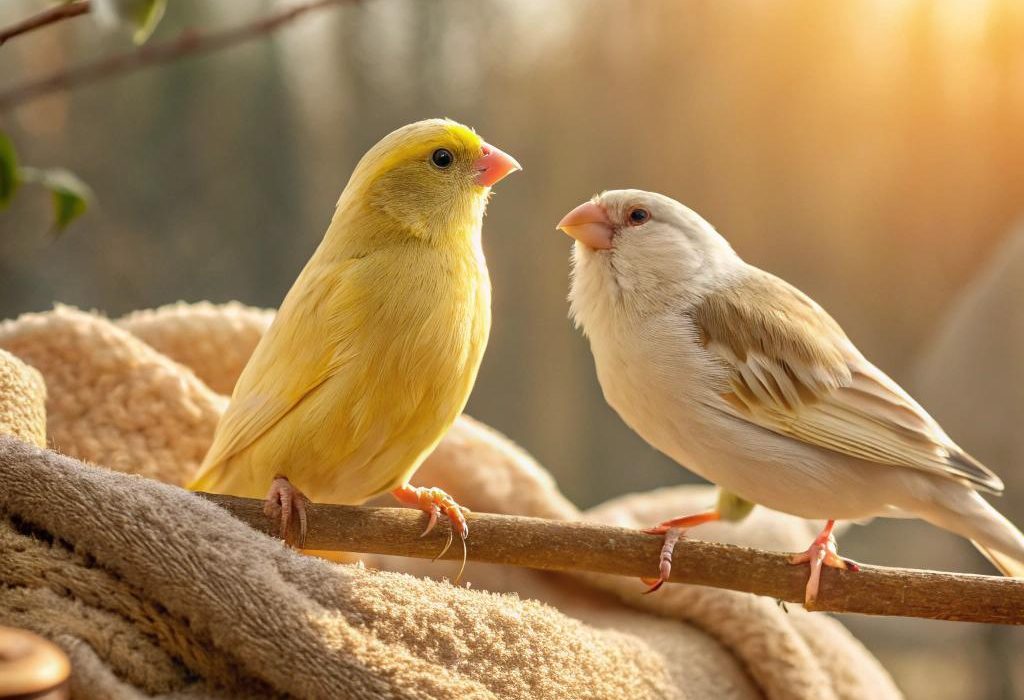
8 Key Differences Between Canaries and Finches for You
birdwatching enthusiasts and pet lovers alike often find themselves enchanted by the vibrant colors and melodic songs of small avian companions.Among the most beloved of these creatures are canaries and finches, both of which captivate with their beauty and charm. However, while they may share similar habitats and dietary needs, these birds are distinct in various interesting ways. In this listicle, we will explore 8 key differences between canaries and finches, shedding light on their unique characteristics, behaviors, and care requirements. Whether you’re considering adding one of these delightful birds to your home or simply wish to expand your ornithological knowledge, this guide will provide you with valuable insights to help you appreciate and understand these remarkable species. So, let’s take flight and discover what sets canaries and finches apart!
Table of Contents
- 1) Appearance: Canaries typically flaunt vibrant yellow plumage, while finches boast a rainbow of colors, including reds, browns, and greens, depending on the species.
- 2) Song and Vocalization: Canaries are renowned for their melodious songs,often trained to produce complex tunes,whereas finches communicate through short,cheerful chirps and whistles.
- 3) Social Behavior: Finches are known for their social nature and often thrive in flocks, while canaries can be more solitary and may prefer a quieter environment.
- 4) Diet: Both birds enjoy seeds, but while canaries thrive on a diet rich in soft foods, finches benefit from a diverse menu including fruits and vegetables.
- 5) Lifespan: Canaries typically live around 10-15 years, while finches tend to have a slightly shorter lifespan, averaging about 5-10 years, depending on the species.
- 6) Breeding Habits: Canaries are famous for their breeding in captivity, often producing vibrant offspring; finches, on the other hand, require specific conditions and nesting materials to encourage breeding.
- 7) Space Requirements: Finches are active birds that need plenty of space to fly and socialize, whereas canaries can adapt well to smaller cages provided that they have the opportunity to stretch their wings occasionally.
- 8) origin and Habitat: Canaries are originally from the Canary Islands, known for their rugged terrain, while finches are widespread across various habitats globally, from forests to grasslands.
- Q&A
- To Conclude
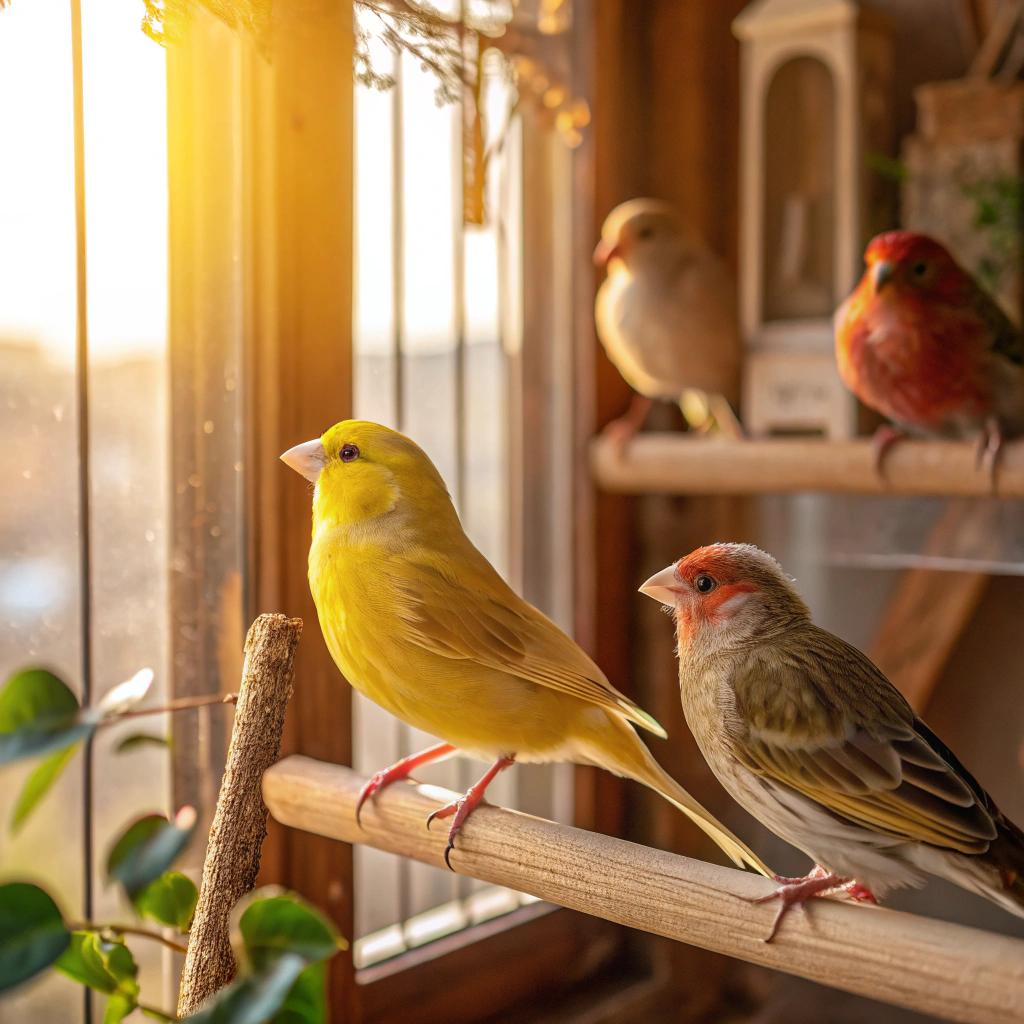
1) Appearance: Canaries typically flaunt vibrant yellow plumage, while finches boast a rainbow of colors, including reds, browns, and greens, depending on the species
Canaries are like the little suns of the avian world, showcasing their stunning yellow plumage that can brighten any room. Their vibrant feathers are not just visually appealing but also a mark of their healthy diet and well-being. Tho, the allure of canaries is not only in their color but also in their playful behavior, frequently enough bouncing around and chirping melodiously, further drawing attention to their striking appearance.Unlike canaries, which are primarily known for their signature yellow, some species can display slight variations of this hue, adding subtlety to their or else eye-catching look.
Conversely,finches are nature’s palette,astonishing bird enthusiasts with an array of colors that can leave anyone in awe. Depending on the species, finches can flaunt vibrant reds, rich browns, and earthy greens. This variety is a result of their adaptation to different environments, serving as camouflage or a mating display. Here’s a glimpse of some popular finch species and their unique colors:
| Finch Species | Coloration |
|---|---|
| House Finch | Red head and chest, brown streaked body |
| Goldfinch | Shining yellow with black wings |
| Zebra Finch | Gray body with orange cheek patches |
The variety in finch coloration plays a significant role in their social dynamics and mating rituals, making them not only a delight to look at but also fascinating to observe in their natural habitat. Each colored feather tells a story of adaptability and evolutionary uniqueness,making finches a captivating contrast to the singular beauty of canaries.
2) Song and Vocalization: Canaries are renowned for their melodious songs, often trained to produce complex tunes, whereas finches communicate through short, cheerful chirps and whistles
One of the most enchanting aspects of canaries is their ability to produce melodious songs that can fill a room with joy. These vibrant little singers often undergo rigorous training, allowing them to master complex melodies and intricate patterns. Canaries are known to have a vast repertoire that can vary significantly between individuals, leading to delightful surprises for their owners. Their songs can be characterized by:
- Extended melodies: Canaries are capable of singing long, elaborate tunes that captivate listeners.
- Rich tonal quality: Their voices are melodious and pleasing,often resembling human melodies.
- Unique individual styles: Each canary can have its style, making them unique performers.
In contrast, finches are known for their cheerful communication, primarily expressed through short chirps and whistles. Their vocalizations are more spontaneous and playful rather than structured, making them sound happy and lively. While finches might not have the expansive song repertoire of canaries, their joyful and lighthearted sounds bring their charm. Finches exhibit their vocal characteristics in ways such as:
- Short bursts of sound: Their chirps are often fast and frequent, creating a lively atmosphere.
- Simple melodies: While they can produce varied tones, their songs are generally uncomplicated and easy to recognize.
- Group versatility: Finches often chorus together, creating a harmonious blend of their hopping, chattering voices.
3) Social Behavior: Finches are known for their social nature and often thrive in flocks,while canaries can be more solitary and may prefer a quieter environment
Finches are the life of the party in the avian world! These vibrant little birds are known for their delightful social behavior. Living in flocks, they exhibit a dynamic interaction that showcases their playful and engaging personalities.In their groups, finches communicate with each other through a variety of chirps and songs, establishing a strong social hierarchy while providing companionship. Their natural inclination to socialize means that they flourish in environments where they can interact freely with other finches, often leading to joyful displays of activity and engagement.
On the flip side, canaries exhibit a more introverted disposition. while they can tolerate the presence of other birds, they often prefer a quieter, more solitary setting. Canaries thrive in peaceful environments that allow them to express their lovely singing without the distraction of boisterous flock activities. This contrast in social behavior means that if you’re considering keeping these birds together, their differing social needs must be taken into account to ensure a harmonious living situation. Understanding these nuances can significantly enhance your experience as a bird owner.
4) Diet: Both birds enjoy seeds, but while canaries thrive on a diet rich in soft foods, finches benefit from a diverse menu including fruits and vegetables
When it comes to diet, both canaries and finches share a fondness for seeds, but their nutritional needs diverge significantly. canaries love to indulge in a variety of soft foods, which help keep their plumage vibrant and their singing abilities sharp. A typical diet for canaries might include:
- soft fruits: such as apples and pears
- Vegetables: like cooked carrots and spinach
- Specialty pellets: designed for canaries
Conversely, finches thrive on a more varied menu, which plays a crucial role in their overall health. While seeds remain a staple, incorporating fresh fruits and vegetables into their daily intake can enhance their vibrant personalities and ensure longevity.Here’s a quick comparison of what finches enjoy:
| Food Group | Examples |
|---|---|
| Seeds | Millet and canary seeds |
| Fruits | Berries and melons |
| Vegetables | Broccoli and greens |
5) Lifespan: canaries typically live around 10-15 years, while finches tend to have a slightly shorter lifespan, averaging about 5-10 years, depending on the species
When considering a pet bird, longevity is a crucial factor that can influence your choice between canaries and finches. Canaries are known for their vibrant personalities and beautiful songs, and they typically enjoy a longer lifespan, averaging around 10-15 years. This extended life expectancy means that canary owners frequently enough form lasting bonds with their feathered companions, committing to a decade or more of companionship. Their robust health allows for a rewarding experience as they bring joy and music into your home for years to come.
Conversely, finches, while also charming and delightful, usually lead shorter lives, averaging 5-10 years depending on the species. This abbreviated lifespan may deter some potential bird owners, but it also allows for a different type of interaction. The cycle of bonding, learning, and nurturing can be beautifully enriching, albeit for a shorter duration. Here’s a quick comparison of the typical lifespans:
| Bird Type | Lifespan |
|---|---|
| Canaries | 10-15 years |
| finches | 5-10 years |
6) Breeding Habits: Canaries are famous for their breeding in captivity, often producing vibrant offspring; finches, on the other hand, require specific conditions and nesting materials to encourage breeding
Canaries are renowned for their captivating breeding habits, making them a popular choice for aviculture enthusiasts. In captivity, these lively birds are prolific breeders, often producing a myriad of vibrant chicks that showcase a dazzling array of colors and patterns. Their breeding process is typically straightforward, as they require minimal interventions from their owners. A well-balanced diet, ample space, and a cozy nesting area are usually sufficient to encourage accomplished breeding. Below are some vital elements that contribute to the breeding success of canaries:
- Diet: Nutrient-rich foods like seed mixtures, fresh fruits, and vegetables enhance fertility.
- Nesting Materials: Soft materials like grasses and feathers are essential for creating a warm nest.
- Environment: A calm and well-lit breeding space promotes a conducive atmosphere.
In contrast, finches have more specific requirements when it comes to breeding in captivity. These delightful birds often need tailored conditions to thrive, such as particular nesting materials and environments that mimic their natural habitat. Unlike canaries, finches can be quite particular about their nesting sites, necessitating a range of supplies to entice them into breeding mode. Here’s a brief look at some key factors that affect finch breeding:
| Breeding Factor | Canaries | Finches |
|---|---|---|
| nesting Materials | Minimal variety needed, soft grasses | Specific types like coconut fibers and moss |
| Environment | Standard cage with privacy | Spacious aviaries preferred |
| Diet | Standard seed quality | High protein for nesting |
7) Space Requirements: Finches are active birds that need plenty of space to fly and socialize, whereas canaries can adapt well to smaller cages provided that they have the opportunity to stretch their wings occasionally
When it comes to choosing a home for your feathered friends, the space they require plays a crucial role in their overall happiness and well-being. Finches, known for their playful and sociable demeanor, thrive in larger environments where they can exert their energy and interact with other birds. An ideal setup includes:
- A spacious aviary or large cage – providing enough room for flight.
- Multiple perches and platforms – allowing them to explore different heights.
- Plenty of companions – as finches are highly social creatures that enjoy group living.
In contrast, canaries can more easily adapt to smaller living spaces, making them suitable for those who may have less room or are new to bird-keeping. While they also appreciate the chance to stretch their wings, canaries are content to have their basic needs met in a compact cage. Key considerations for canaries include:
- A minimum cage size of 18″ x 18″ x 24″ – ensuring they have adequate room to move.
- Regular opportunities to fly – either through supervised time outside the cage or in a larger enclosed space.
- Enrichment toys and hiding spots – to keep their environment stimulating, even in a smaller area.
8) Origin and Habitat: Canaries are originally from the Canary Islands, known for their rugged terrain, while finches are widespread across various habitats globally, from forests to grasslands
Canaries, the vibrant little songbirds, trace their origins back to the enchanting Canary Islands, a volcanic archipelago located off the northwest coast of Africa. These islands are renowned for their rugged topography, which encompasses steep cliffs, rocky terrains, and lush valleys that provide a diverse array of microhabitats for the avian population. Canaries thrive amidst this natural beauty, showcasing a remarkable ability to adapt to their unique surroundings. Their natural habitats range from subtropical forests to rocky scrubs, where the melodious songs of male canaries fill the air, attracting mates and establishing territory.
On the other hand, finches are true cosmopolitans of the avian world, found in a breathtaking variety of habitats across the globe. From dense forests and sprawling grasslands to arid deserts and remote alpine regions, finches have successfully colonized diverse environments.This adaptability is reflected in their lifestyle choices,which vary greatly depending on their specific habitats.Some finch species prefer the company of thick foliage,while others can be seen boldly foraging in open fields. Here’s a glimpse of the habitats favored by different finch species:
| Finch Species | Preferred Habitat |
|---|---|
| House Finch | Urban areas, gardens, and parks |
| Goldfinch | Meadows and open woodlands |
| Crossbill | Coniferous forests |
| Pine Siskin | Pine forests and shrubby areas |
Q&A
8 Key Differences Between Canaries and Finches for You
What are the primary physical differences between canaries and finches?
Canaries and finches showcase notable physical traits:
- size: Canaries are typically larger than many finch species, with an average length of about 4 to 8 inches, while most finches range from 3 to 6 inches.
- Coloration: Canaries are well-known for their vibrant yellow plumage, though they come in various colors, including orange and white. Finches display a broader spectrum of patterns and colors, often featuring muted earth tones mixed with bright accents.
- Beak Shape: Canaries possess a conical beak designed for seed cracking, while finches have more tapered beaks suited to their diverse diets.
How do their temperaments differ?
temperament plays a significant role in choosing between these two types of birds:
- Canaries: Generally known for being solitary and less interactive, canaries can be shy. Male canaries are often prized for their singing abilities.
- Finches: In contrast, finches are highly social birds that thrive in flocks, promoting an energetic and lively environment.
What are their typical diets like?
The dietary requirements of canaries and finches vary considerably:
- Canaries: Primarily seed eaters, they enjoy high-quality seed mixes enriched with fruits and vegetables for a balanced diet.
- Finches: While also seed eaters, finches might potentially be more versatile, frequently enough consuming a range of seeds, fruits, and insects depending on the species.
How do their singing abilities compare?
A crucial part of their allure is their vocalizations:
- Canaries: Famous for their melodious songs, male canaries boast intricate tunes that can vary widely depending on their breeding.
- Finches: Although some finches sing beautifully, their songs tend to be less melodious and more chirpy, varying by species.
What is the difference in their housing requirements?
The housing needs reflect their differing dispositions:
- Canaries: Require spacious single or pair housing; if housed together, males can become aggressive, especially during breeding.
- Finches: Prefer larger aviaries or grouped cages, as they thrive in social settings and benefit from the company of their kind.
How do you handle canaries and finches differently?
handling techniques differ based on their nature:
- canaries: Typically not fond of handling, they are best observed rather than touched. Gradual acclimatization is essential if you wish to interact.
- Finches: More tolerant of socializing,they may enjoy gentle interaction or can adapt to being handled if they are accustomed from a young age.
What health issues are common in canaries compared to finches?
Awareness of potential health concerns is key to pet care:
- Canaries: Prone to respiratory issues and obesity due to their sedentary nature, ensuring adequate space and diet is critical.
- Finches: Often susceptible to a variety of ailments linked to stress and overcrowding, regular check-ups and spacious environments are important for their well-being.
What are their lifespans, and how does that impact pet ownership?
Lifespan considerations can affect long-term commitment:
- Canaries: Generally live between 10 to 15 years, making them a long-term companion for dedicated bird owners.
- Finches: Typically have a shorter lifespan of around 5 to 10 years, possibly leading to a more transient experience in pet ownership.
To Conclude
And there you have it—our exploration of the 8 key differences between canaries and finches! While both of these charming birds share the same vibrant world of avian wonder,they each bring their own unique attributes and traits into the mix.From their distinctive songs to their varying diets and care needs, understanding these differences can enhance your appreciation for these feathered friends. Whether you’re an aspiring bird owner or simply an aficionado of nature’s melodies, knowing how to distinguish between canaries and finches equips you with valuable insights. So the next time you hear a delightful serenade or spot a burst of color flitting by, you’ll be well-prepared to identify which charming character is gracing your presence. Keep exploring the avian world, and may your journey continue to be filled with wonder and discovery!



23 Comments
Great breakdown! It’s interesting to see how their behaviors and habitats differ, and it really helps in understanding the right requirements for each as a pet.
This article does a fantastic job highlighting the unique traits of canaries and finches, which is essential for anyone considering them as companions.
Rose Howard: This comparison is very informative! Understanding the differences in their song, care needs, and social behaviors makes it much easier to choose the right bird for your lifestyle.
Danielle Nelson: This is a really helpful guide! The details about their compatibility and dietary needs are especially useful for potential bird owners looking to make an informed decision.
Kimberly Harris: This is an excellent overview! The distinctions in their temperaments and breeding habits are super valuable for anyone thinking about getting either as a pet.
Judith Foster: This post provides a clear and concise comparison that addresses critical aspects like lifespan, size, and noise levels, which are all important considerations for anyone looking to bring a new bird into their home.
Charlotte Wood: This post is incredibly insightful! The way it breaks down differences in personality and habitat requirements is crucial for prospective bird owners to ensure they choose the right fit for their home environment.
Hannah Gray: This article really highlights essential factors like activity levels and grooming needs, which are often overlooked but vital for ensuring a happy and healthy pet bird experience.
Jacob Young: This comparison is very useful for anyone interested in bird ownership; understanding the differences in breeding behaviors and social needs can help ensure a compatible and enriching environment for these beautiful creatures.
Kyle Morris: This post does a great job of outlining the various characteristics that set canaries and finches apart, making it easier for potential pet owners to understand which species might suit their lifestyle and preferences better.
James Ortiz: This is a fantastic overview that clarifies the distinctions in diet and nutritional needs, helping future bird owners make informed choices and ultimately provide the best care for their feathered friends.
Robert Cox: This analysis is excellent for anyone considering adding a bird to their family, as it thoughtfully outlines crucial points like vocalization and lifespan differences, helping prospective owners make an informed decision on their new pet.
Jonathan Phillips: This guide provides a well-rounded perspective on the differences between canaries and finches, making it an invaluable resource for anyone looking to deepen their understanding of these charming birds and enhance their care strategies.
Denise Nelson: This article effectively highlights the key behavioral traits and temperament differences between canaries and finches, which is crucial for anyone looking to create a harmonious home for their new feathered companions.
Daniel Rogers: This article is a comprehensive comparison that not only emphasizes the physical features of canaries and finches but also discusses their social behaviors, making it an essential read for anyone interested in choosing the right bird for companionship.
Don Adams: This post provides valuable insights into the habitat preferences and breeding behaviors of canaries and finches, which are essential for potential owners to understand in order to create a supportive environment for their birds.
Christine Phillips: This post does a fantastic job of breaking down the unique characteristics of canaries and finches, particularly in terms of their care requirements and dietary needs, which is beneficial for both new and experienced bird owners looking to ensure the well-being of their pets.
Debra Hughes-Campbell: This informative post expertly outlines the distinct vocalizations and coloring variations of canaries and finches, helping bird enthusiasts appreciate the diversity and beauty of these species while making informed decisions about which one might be the best fit for them.
Nicole Foster: This post clearly illustrates the differences in breeding habits and lifespan between canaries and finches, which is incredibly helpful for prospective owners aiming to understand the long-term commitments involved in caring for these lovely birds.
Keith Turner: This post highlights crucial differences in energy levels and socialization traits between canaries and finches, which is key for anyone considering adding one of these charming birds to their home and ensuring they match their lifestyle and preferences.
Nancy Ward: This post effectively emphasizes the differences in exercise needs and social behavior between canaries and finches, which is crucial information for anyone pondering which type of bird would thrive in their living situation while ensuring they can offer the right environment for their new pet.
Derek Jenkins: This post presents a thorough comparison of canaries and finches, particularly focusing on their housing and temperament needs, which is essential for anyone looking to create a nurturing home environment for their feathered companions.
Kevin Jordan: This post provides valuable insights into the dietary preferences and grooming requirements of canaries and finches, which are essential considerations for potential bird owners who want to ensure they meet all the needs of their new pets while promoting their health and happiness.