
8 Essential Tips to Protect Your Bird from Household Dangers
8 Essential tips to Protect Your Bird from Household Dangers
As a devoted bird owner, you know that your feathered friend brings joy and vibrancy to your life. however, alongside the delight thay bring, there are hidden household dangers that could put their health and safety at risk. From toxic plants to open windows, everyday items might pose hazards that go unnoticed. In this listicle, we’ll unveil 8 essential tips designed to help you create a safer habitat for your avian companion. Whether you’re a seasoned bird lover or a new owner, these practical insights will empower you with the knowledge and tools to safeguard your beloved pet.Dive in and discover how small changes can make a big difference in keeping your bird happy and healthy!
Table of Contents
- 1) Create a Clean Environment: Regularly clean your bird’s living area by removing any debris or mold that could pose health risks, and ensure the cage is free from harmful substances, like residue from cleaning agents.
- 2) Avoid Toxic Foods: familiarize yourself with foods that are harmful to birds, such as avocado, chocolate, and processed items, and keep them securely stored away to prevent accidental consumption.
- 3) Secure Windows and Doors: Installing screens and keeping windows locked can definitely help prevent your bird from escaping or encountering dangers from the outside, such as predators or extreme weather conditions.
- 4) Be Cautious with house Plants: Many common household plants are toxic to birds. Research and choose pet-safe plants to decorate your home while ensuring your bird’s safety.
- 5) Store hazards Properly: Keep cleaning supplies, medications, and other toxic products out of reach and in secure containers. Even small amounts of certain substances can be incredibly harmful to your feathered friend.
- 6) mind electrical cords: Birds are naturally inclined to chew, so securing electrical cords and covering exposed outlets can prevent potential accidents that could harm your bird or cause electrical hazards.
- 7) Monitor Air Quality: Ensure you have good ventilation, and avoid using candles, incense, or non-stick cookware that may release harmful fumes, as birds are sensitive to airborne toxins.
- 8) Supervise playtime: always keep an eye on your bird during out-of-cage time. Create a safe play area free from potential dangers like open water, sharp objects, or other pets that might pose a threat.
- Q&A
- Final Thoughts
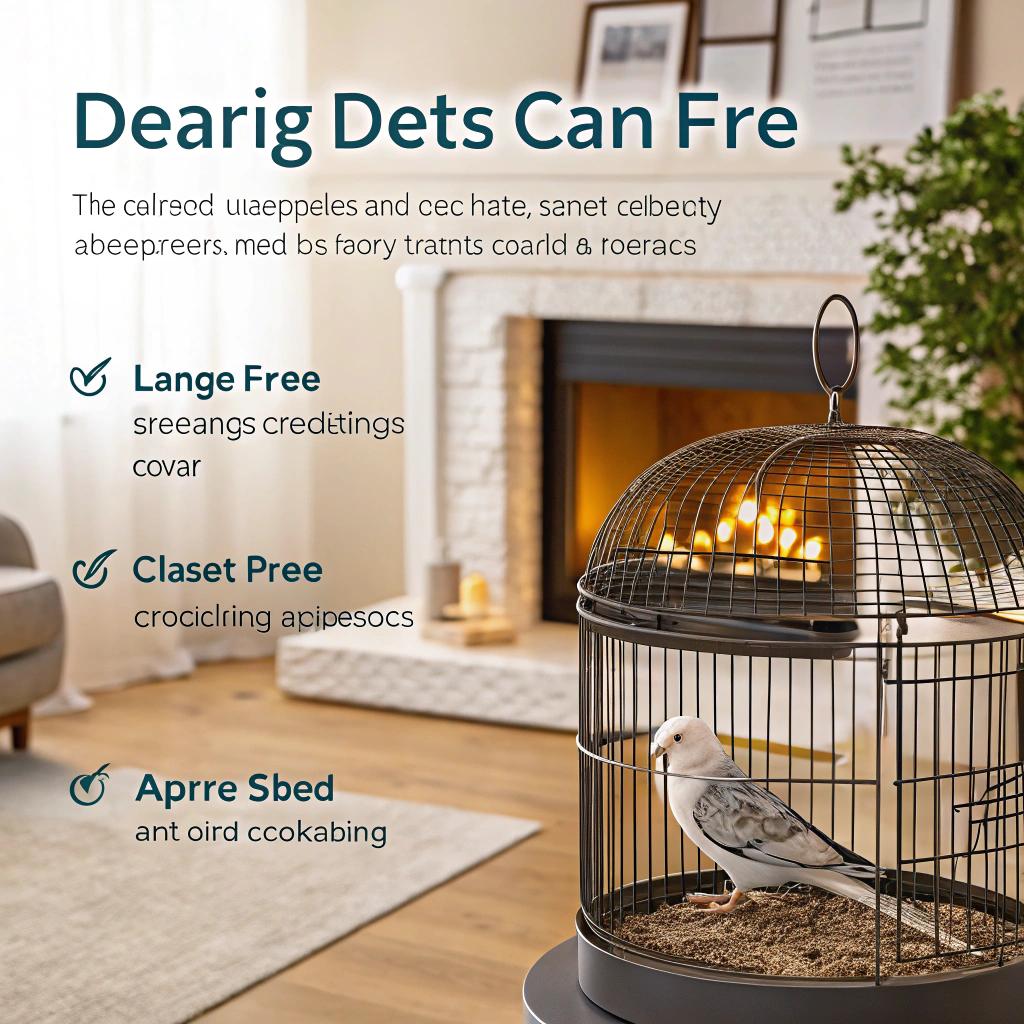
1) Create a Clean Environment: Regularly clean your bird’s living area by removing any debris or mold that could pose health risks, and ensure the cage is free from harmful substances, like residue from cleaning agents
Maintaining a pristine living space for your feathered friend is essential for their overall health and happiness.Begin by establishing a cleaning schedule that focuses on the areas within and around the cage. Every day, take a few minutes to remove any uneaten food, droppings, and debris that can accumulate quickly.Weekly deep cleans should include:
- Washing food and water dishes to prevent bacteria build-up.
- Changing bedding regularly to ensure a sanitary resting environment.
- Scrubbing the cage with safe,non-toxic cleaners that won’t leave harmful residues.
Moreover, creating a safe space extends beyond just the cage. Inspect your bird’s environment thoroughly and keep an eye out for any potential hazards. Make sure that:
| Hazard | Action |
|---|---|
| Mold | Remove any contaminated materials and ensure proper ventilation. |
| Cleaning Products | Store them securely and use bird-safe alternatives. |
| Small Objects | Eliminate anything that could perhaps be ingested. |
By consistently providing a tidy habitat free from harmful substances, you’ll cultivate a sanctuary for your bird, where they can thrive and express their natural behaviors without unnecessary stress or danger.
2) Avoid toxic Foods: Familiarize yourself with foods that are harmful to birds,such as avocado,chocolate,and processed items,and keep them securely stored away to prevent accidental consumption
To ensure your feathered friend thrives in a safe environment,it’s crucial to educate yourself about the foods that pose a threat to their health. Avocado, as a notable example, contains a compound called persin, which can be toxic to birds, leading to respiratory distress and even death. Similarly, chocolate is a definite no-go; it contains theobromine and caffeine, which can cause heart problems and hyperactivity. Processed items frequently enough contain preservatives, artificial sweeteners, and unhealthy fats that not only lack nutritional value but may also result in serious health complications.
Consider implementing a storage system at home specifically for your avian companion’s safety. Here are some key strategies to follow:
- keep harmful items in sealed containers
- Label all food items clearly to avoid confusion
- Educate all household members on hazardous foods
By staying vigilant and making informed choices about the foods you keep around, you can provide a healthier environment for your pet bird, ensuring they enjoy a long and happy life.
3) Secure Windows and Doors: Installing screens and keeping windows locked can definitely help prevent your bird from escaping or encountering dangers from the outside, such as predators or extreme weather conditions
Ensuring your feathered friend remains safe and sound starts with making your home a secure haven. One of the most important steps you can take is to install sturdy window and door screens. Not only do screens effectively block your bird from flying outside into potential dangers, but they also provide a barrier against unwanted intruders, such as cats or other predators that may pose a threat. ensure that the screens are tightly secured and free from any holes or tears where a small bird could escape or sneak through. Regularly check these screens for integrity to maintain a safe environment.
Moreover, it’s essential to keep your windows and doors locked when they are not in use. You might consider using window locks or child safety locks to prevent accidental openings. Birds are naturally curious creatures, and the slightest opportunity can lead to them exploring the great outdoors, which can be perilous. By establishing simple yet effective safety measures,you can create a controlled space for your aviary companion that protects them from harsh weather conditions and predatory threats. Aside from locking doors and windows, consider using curtains or shades to block direct sunlight and maintain a agreeable indoor temperature, as extreme heat can also be a hidden danger for your bird.
4) Be Cautious with House plants: Many common household plants are toxic to birds. Research and choose pet-safe plants to decorate your home while ensuring your bird’s safety
When it comes to enhancing your living space with greenery, it’s essential to remember that not all house plants are created equal, especially if you share your home with a feathered friend. Many commonly found plants can pose significant health risks to birds. Some can cause severe reactions, leading to anything from digestive issues to more serious conditions. To keep your avian companion safe while still enjoying the beauty of nature inside your home, it’s crucial to conduct thorough research on the plants you consider adding to your décor.
Here are a few pet-safe plant options that can brighten up your home without endangering your bird:
- Spider Plant: An easy-to-care-for favorite that purifies air and is non-toxic.
- Bamboo Palm: Adds a tropical feel and helps increase humidity, creating a comfortable environment.
- Boston Fern: Known for its lush fronds, it’s safe for birds and adds vibrant greenery.
- Areca Palm: Great for beginners, this palm not only looks stunning but is safe for your feathered friends.
| Plant Name | Care Level | Bird-Safe? |
|---|---|---|
| Spider Plant | Easy | Yes |
| Bamboo Palm | Moderate | Yes |
| Boston Fern | Moderate | Yes |
| Areca Palm | Easy | Yes |
5) Store Hazards Properly: keep cleaning supplies, medications, and other toxic products out of reach and in secure containers. Even small amounts of certain substances can be incredibly harmful to your feathered friend
Keeping your home safe for your feathered companions goes beyond just providing them a cozy cage and a balanced diet. It’s essential to be vigilant about where you store your cleaning supplies, medications, and other potentially hazardous products. birds are naturally curious creatures and can easily explore countertops, cabinets, and drawers if not carefully supervised. To minimize risk, consider organizing these items in locked cabinets or high shelves that are entirely out of their reach. Use labeled containers that are specifically designed to be bird-safe, ensuring that even if they manage to access a container, they won’t encounter a harmful substance.
Notably,even small amounts of certain materials can be incredibly toxic to birds. Items to be cautious about include:
- Household cleaners: Many contain chemicals that can be lethal.
- Pest Control Products: Rodenticides and insecticides can be fatal.
- Medications: Common medications that are safe for humans can be toxic to birds.
- Plants and Fertilizers: Some indoor plants are toxic, and fertilizers may pose risks too.
Utilizing transparent, child-proof containers can add an extra layer of protection. Furthermore, consider keeping a checklist of what to avoid within your bird’s living space, helping you remain aware of potential hazards.
6) Mind Electrical Cords: Birds are naturally inclined to chew, so securing electrical cords and covering exposed outlets can prevent potential accidents that could harm your bird or cause electrical hazards
One of the most underestimated risks in a bird-friendly home is the presence of electrical cords. Birds, with their natural curiosity and penchant for chewing, may be drawn to these alluring wires, which can lead to disastrous consequences. To avoid potential hazards, it’s essential to secure electrical cords using clips or cord wraps. This prevents your feathered friend from accessing them. Additionally,consider using cord protectors made from durable materials that can withstand a little nibbling.
Furthermore, safeguarding exposed outlets is equally important in creating a bird-safe environment. You can install outlet covers that are designed for homes with pets, ensuring your bird cannot reach live wires. Not only will this keep your avian companion safe, but it also provides peace of mind to you as a pet owner. By taking these simple yet effective measures, you can considerably reduce the risk of electrical hazards that could lead to severe injuries or worse.
7) Monitor Air Quality: Ensure you have good ventilation, and avoid using candles, incense, or non-stick cookware that may release harmful fumes, as birds are sensitive to airborne toxins
Ensure your feathered friend can breathe easy by prioritizing air quality within your home. Birds have sensitive respiratory systems that can be adversely affected by the toxins frequently enough found in household products.To keep the air you share fresh and clean, consider implementing these practices:
- Ensure Proper Ventilation: Open windows regularly to allow fresh air in, or use air purifiers that are safe for pets to help remove pollutants.
- Avoid Harmful Products: Skip candles and incense, which can release soot and toxic substances. Opt for bird-safe alternatives like LED candles.
- Be cautious with Cookware: Non-stick cookware frequently enough emits fumes that can be deadly to birds.Choose stainless steel or cast iron pans instead.
To keep track of the air quality and potential hazards, it might help to create a simple monitoring chart. This can include common toxic household items and the bird-friendly alternatives you plan to adopt:
| toxic Items | Safer Alternatives |
|---|---|
| Candles | LED candles |
| Incense | Essential Oil Diffuser (use with caution) |
| Non-stick Cookware | Stainless Steel or Ceramic Cookware |
By staying vigilant about air quality and the products you use,you can create a healthier haven for your bird to thrive in.
8) Supervise Playtime: Always keep an eye on your bird during out-of-cage time.Create a safe play area free from potential dangers like open water, sharp objects, or other pets that might pose a threat
monitoring your feathered friend during their playtime is crucial to their safety and well-being.Birds are naturally curious creatures, and their exploratory behavior can lead them into hazardous situations if left unsupervised.Designate a safe play area for your bird where they can stretch their wings and explore freely without the risk of encountering potential dangers. This area should be devoid of items that could cause harm, such as:
- Open water (like unguarded sinks or toilets)
- Sharp objects (like scissors, knives, or broken glass)
- Cables and cords that could pose a strangulation risk
- Other pets that might not understand how to interact with birds safely
To further ensure a controlled environment, consider creating a playtime checklist that you review each time before allowing your bird out of its cage. This checklist can include items that will enable you to mitigate risks and enjoy quality bonding time together. Here’s a model you might find useful:
| Checklist Item | Status |
|---|---|
| Remove sharp objects | ✔️ |
| Cover electrical outlets | ✔️ |
| Secure windows and balconies | ✔️ |
| Put away toxic plants | ✔️ |
| Gather toys and perches | ✔️ |
Q&A
8 Essential Tips to Protect Your Bird from Household dangers
What are some common household hazards that can harm birds?
Common hazards in the home that can pose a risk to birds include:
- Teflon cookware: When overheated,it can release fumes that are toxic to birds.
- Household cleaners: Many cleaning products contain chemicals that are harmful if ingested or inhaled.
- Electrical cords: Birds are curious and may chew on cords, risking electrocution.
- Open windows and doors: an open exit can lead to accidents or escape.
How can I safeguard my bird from toxic plants?
Many common houseplants are toxic to birds. To protect your feathered friend:
- Remove toxic plants such as philodendron, pothos, and azaleas from your home.
- Opt for bird-safe plants like spider plants, boston ferns, or parlor palms.
- Research any new plants before bringing them home to ensure they’re safe.
What should I know about bird-proofing my kitchen?
To create a bird-friendly kitchen environment, consider these tips:
- Use bird-safe cookware to avoid releasing harmful fumes.
- Keep cleaning supplies stored away and out of reach.
- Be cautious with food scraps, as some can be harmful to your bird.
- close off cooking areas while using the stove or oven to avoid accidents.
How can I prevent my bird from getting into small spaces?
To limit your bird’s access to areas that could pose a danger:
- Install grills over vents and openings that lead to small spaces.
- Close off areas that are challenging to supervise, such as basements and attics.
- Regularly check for any potential entrances that need to be blocked.
What are the best practices for storing hazardous materials?
Properly storing hazardous materials can significantly reduce risks:
- Keep cleaners and chemicals in sealed containers and out of reach.
- Store pesticides, paints, and solvents in locked cabinets.
- Label all containers clearly to prevent accidental exposure.
How can I make my bird’s environment safer from other pets?
To ensure your bird is safe from other household pets:
- Supervise interactions between birds and other animals.
- Keep birds in secured cages when other pets are loose.
- Educate yourself and other pet owners about birds’ behaviors to avoid mishaps.
Why is supervision crucial for my bird’s safety?
Supervision is key for a bird’s well-being because:
- It helps prevent accidents that can happen quickly.
- Allows you to monitor for signs of stress or illness.
- Ensures that your bird is not engaging in unsafe behavior.
How can I educate myself further on bird safety?
To deepen your understanding of bird safety:
- Read books and articles focused on bird care and safety.
- Join online forums and bird enthusiast groups for shared insights.
- Consult with a veterinarian who specializes in avian health for expert advice.
Final Thoughts
As we wrap up our journey through these eight essential tips for safeguarding your feathered friend from everyday household hazards, remember that vigilance and readiness are key to ensuring a safe environment for your bird. By taking the necessary precautions and being aware of potential dangers, you can create a nurturing home that allows your avian companion to thrive.
Every chirp and flutter brings joy, and with a little care, you can keep your home a haven for your pet. So, take these insights to heart and let them guide you as you build a safer space for your beloved bird. Whether it’s securing hazardous substances or providing mental stimulation, each step you take is a feather in your cap of responsible pet ownership.
Thank you for joining us on this informative flight! May your home be filled with the sweet melodies of a healthy, happy bird. Until next time, happy nesting!


25 Comments
These tips are really helpful! It’s so important to create a safe environment for our feathered friends.
I agree, Jack! Taking the time to bird-proof our homes can make a huge difference in keeping our pets safe and healthy. Great advice!
Thanks for sharing these vital tips! It’s crucial for all bird owners to be aware of the potential hazards in our homes and take proactive measures to ensure their safety.
I appreciate these insights! As a new bird owner, I’m learning how to make my space safer for my pet, and these tips are invaluable.
It’s great to see so many people prioritizing their birds’ safety. Understanding and minimizing household dangers can truly enhance their well-being and happiness. Thank you for sharing these important tips!
These suggestions are essential for any bird owner; it’s surprising how many everyday items can pose risks, and being informed is the first step in ensuring their safety.
These tips are incredibly helpful for creating a safe environment for our feathered friends; it’s astonishing how simple changes can prevent potential dangers in our homes.
This article serves as a fantastic reminder for bird owners to stay vigilant about their pets’ surroundings; even the smallest adjustments can significantly reduce risks and create a more secure habitat for our beloved birds.
These practical tips are crucial for safeguarding our birds; it’s vital for every pet owner to be aware of hidden hazards in our homes to ensure a healthy and safe environment for their avian companions.
This article highlights the importance of vigilance when it comes to our pets’ safety; by implementing these tips, we can make a meaningful difference in protecting our birds from common hazards we might overlook daily.
This post offers invaluable insights for bird owners looking to safeguard their pets; raising awareness about potential dangers in our homes is essential for fostering a safe space for our cherished birds.
This post is a great resource for bird owners; understanding and addressing household hazards can profoundly impact the well-being of our birds, ensuring they lead safe and happy lives.
This post is an essential read for anyone who owns a bird; being proactive about identifying and mitigating household risks can lead to a safer, healthier life for our feathered friends.
This article is a must-read for bird enthusiasts; understanding the everyday dangers in our homes can help us create a protective environment and enhance the quality of life for our beloved birds.
This article provides crucial information for bird lovers; by being aware of household dangers and taking preventive measures, we can create a secure and nurturing environment for our avian companions.
This article is incredibly helpful for anyone with pet birds; it emphasizes the importance of vigilance against common household hazards and encourages us to prioritize our birds’ safety and happiness in our daily lives.
This article is a valuable guide for bird owners; by implementing these tips, we can significantly reduce risks and foster a safe haven for our cherished feathered friends.
This article is a great reminder for all bird owners; knowing how to safeguard our pets from potential dangers in the home is key to ensuring their long-term health and happiness.
This article highlights essential precautions every bird owner should take; being informed about hidden dangers can greatly improve the safety and well-being of our delightful companions.
This article offers vital insights for bird owners; understanding potential hazards within our homes is essential for protecting our beloved pets and ensuring they thrive in a safe environment.
This article serves as an important resource for bird owners; it underscores the necessity of being proactive about household dangers and reminds us that a safe environment is crucial for our feathered family members’ well-being.
This article provides crucial advice for bird owners; being aware of household dangers and taking preventive measures is essential for the health and safety of our avian companions.
This article is an invaluable guide for anyone with pet birds; it emphasizes the importance of awareness and vigilance in creating a safe home environment for our feathered friends.
This article is a must-read for anyone who cares for birds; it effectively outlines how even small changes can significantly enhance the safety and happiness of our avian pets.
This article is a great reminder of the many hidden dangers that can affect our birds; by following these tips, we can create a safer home and enjoy peace of mind knowing that our pets are protected.