

7 Key Signs Your Bird Could Be Sick and How to Help
Title: 7 Key Signs Your bird Could Be Sick and How to Help
As a pet owner, few things are as rewarding as watching your feathered friend chirp, flutter, and explore its surroundings.Birds bring joy and companionship into our lives, but their health can often be a delicate matter.Unlike cats and dogs, our avian companions are expert at hiding their discomfort, making it vital for us to be attuned to their well-being. In this listicle, we’ll uncover 7 key signs that your bird might be unwell and provide essential tips on how to address these issues. By the end, you’ll be equipped with the knowledge to spot potential health problems early and take action, ensuring your cherished pet thrives in a healthy and happy environment.Dive in, and arm yourself with the insights necessary to foster your bird’s well-being!
Table of Contents
- 1) Changes in Appetite: If your bird suddenly loses interest in its favorite foods or eats significantly less, it could be a sign of illness. monitor feeding habits closely and consult a vet if you notice drastic changes.
- 2) Fluffed Feathers: While birds may puff up their feathers to maintain warmth,consistent fluffiness can indicate discomfort or illness. A sick bird may not preen as much, so look out for those ruffled feathers and seek veterinary advice.
- 3) Changes in Vocalization: If your chatty parrot becomes unusually quiet or if a normally quiet bird starts making excessive noise, it may indicate stress or health issues. Pay attention to these vocal changes, as they can be a clue that something is wrong.
- 4) Lethargy and Reduced activity: Birds are generally active creatures, so an increase in lethargy or a decrease in playfulness can be a warning sign. If your bird seems less energetic or prefers to sit still for long periods, a check-up with the vet is advisable.
- 5) Unusual Droppings: Changes in the consistency, color, or frequency of droppings can provide insight into your bird’s health. Keep an eye on their waste and report any abnormalities to your veterinarian for further evaluation.
- 6) Difficulty breathing: Signs like wheezing, labored breathing, or an extended beak can indicate respiratory distress. If you notice any of these symptoms, seek immediate medical attention for your feathered friend.
- 7) Excessive Beak Grinding or Feather Plucking: While some beak grinding is normal, excessive behavior can signal anxiety or illness. Similarly,feather plucking can indicate stress or health issues; addressing these behaviors early on is crucial.
- 8) Swollen Eyes or Nasal Discharge: Any signs of swelling around the eyes or a discharge from the nose can indicate infection or illness.If you observe these symptoms, it’s best to consult with an avian veterinarian to determine the underlying cause.
- Q&A
- Insights and Conclusions
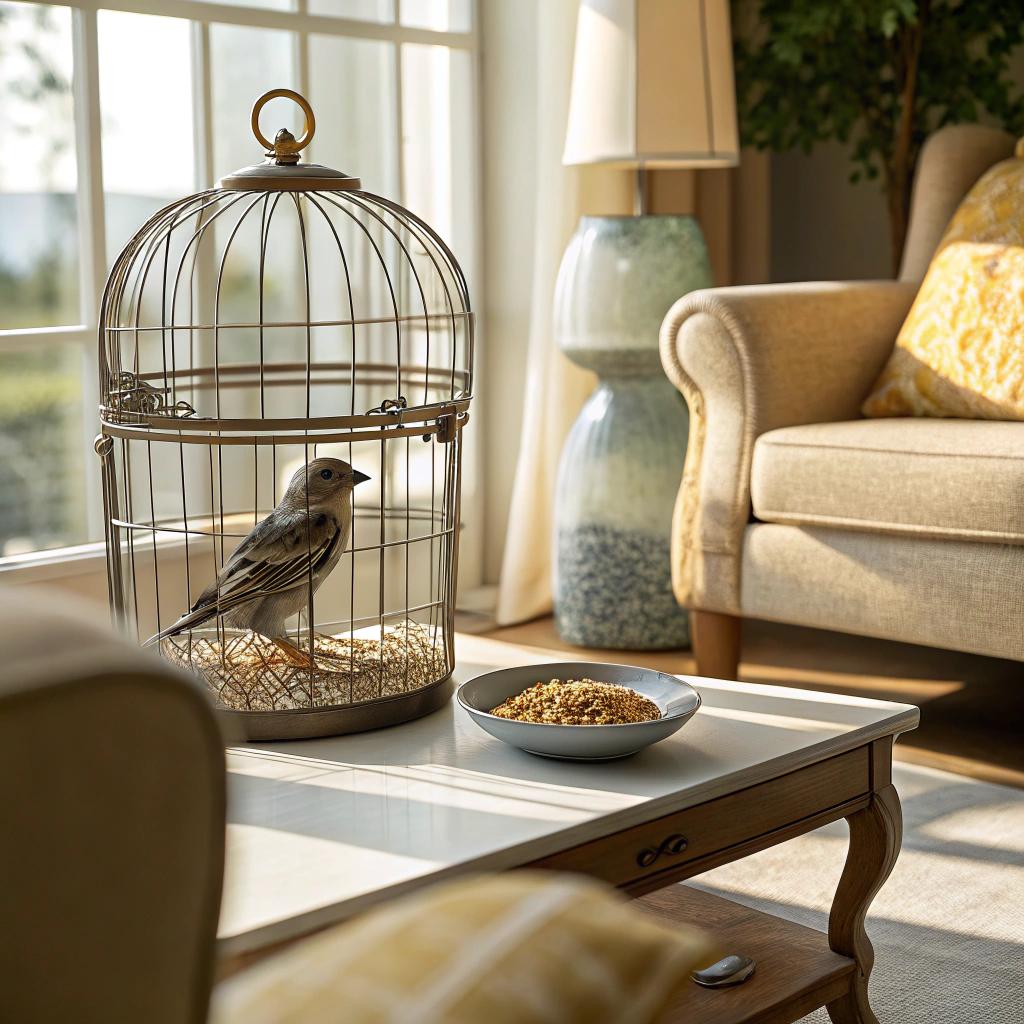
1) Changes in Appetite: If your bird suddenly loses interest in its favorite foods or eats significantly less, it could be a sign of illness.monitor feeding habits closely and consult a vet if you notice drastic changes
Birds are creatures of habit, and their feeding patterns are no exception. If your feathered friend suddenly turns its beak up at the foods it once relished, this could be an early warning sign of a deeper issue. It’s crucial to observe their eating behaviors closely. changes in appetite can manifest in a few distinct ways, including:
- Refusal of Favorite Foods: If your bird ignores its beloved seeds or fruits, it’s an indicator that something might be amiss.
- Decreased Quantity: Eating less than usual can lead to incomplete nutrition, perhaps impacting your bird’s health.
- Increased Thirst: Sometimes, your bird may drink more water as a response to an underlying condition rather than consuming food.
Noticing these shifts requires immediate attention. When observing changes in appetite, consider keeping a record of your bird’s daily food intake to spot trends and patterns. This can definitely help the vet make a more accurate diagnosis. If your pet shows any of the following signs, it’s time to seek professional advice:
| Symptom | Action Required |
|---|---|
| Completely stops eating | Immediate vet visit |
| Restricts to only one food type | Consult a vet within 24 hours |
| Mixing uneaten food in the cage | Monitor closely; bring to vet if persistent |
2) Fluffed Feathers: While birds may puff up their feathers to maintain warmth, consistent fluffiness can indicate discomfort or illness.A sick bird may not preen as much, so look out for those ruffled feathers and seek veterinary advice
Observing your feathered friend can reveal much about its well-being. While it’s natural for birds to puff up their feathers to conserve warmth, a bird that constantly appears fluffed might potentially be sending out distress signals. ruffled feathers might hint at discomfort or even illness, particularly if this state persists over an extended period. Birds instinctively rely on preening to maintain their feathers’ health and cleanliness, so a noticeable decrease in grooming behavior can be a clear red flag that something isn’t quite right.
when you notice your bird exhibiting chronic fluffiness, it’s essential to take a closer look. Here are some key indicators to consider:
- Loss of Appetite: If your bird is not eating as it typically would, this could signal health issues.
- Change in Behavior: An increase in lethargy or a decrease in social interaction can indicate discomfort.
- Respiratory Issues: Look for signs of labored breathing or a change in vocalizations.
To ensure the well-being of your avian companion, it’s crucial to consult with a veterinarian if you notice a combination of these signs alongside persistent fluffiness. Keeping a close eye on their grooming habits will help you identify any potential problems early.
3) Changes in Vocalization: If your chatty parrot becomes unusually quiet or if a normally quiet bird starts making excessive noise, it may indicate stress or health issues. Pay attention to these vocal changes, as they can be a clue that something is wrong
Changes in a bird’s vocalization can be telling signs of underlying issues.A normally talkative parrot that becomes uncharacteristically silent might be experiencing stress, loneliness, or health problems. Similarly, if your typically quiet bird suddenly starts to squawk excessively, it may be an indication of frustration, a need for more attention, or discomfort. Monitoring these vocal fluctuations is essential; any deviations from their usual sounds should prompt you to investigate further.
To better understand your bird’s well-being, observe the following shifts in their communication behavior:
- Abnormal Silence: A chatty bird that stops vocalizing may need your attention.
- Excessive Noise: An increase in vocalization might signal distress or boredom.
- Changes in Tone: Listen for shifts in pitch or tone, which could indicate discomfort.
| Vocal Change | Potential Cause |
|---|---|
| Uncharacteristic Silence | Stress, illness, or environmental change |
| Sudden Excessive Noise | Boredom, need for social interaction, or distress |
4) Lethargy and Reduced Activity: Birds are generally active creatures, so an increase in lethargy or a decrease in playfulness can be a warning sign. If your bird seems less energetic or prefers to sit still for long periods, a check-up with the vet is advisable
Observing your bird’s energy levels can provide vital insights into their health. Birds are typically vibrant and full of life, flitting from perch to perch and engaging in playful activities. When a bird begins to show signs of lethargy,this could be a significant indicator that something is amiss. Look for behaviors such as:
- Reduced exploration: If your bird suddenly shows no interest in exploring its surroundings.
- Less vocalization: A decrease in typical chirps and chatter can also signal discomfort or illness.
- Preference for solitude: A shift to a more solitary behavior—as if your bird no longer wishes to interact with you or its environment—should raise a red flag.
It’s essential to take note of these changes and act swiftly.Birds can mask illness extremely well, so what may seem minor could develop into a more serious condition if left unaddressed.A simple check-up can definitely help diagnose underlying issues.Keep an eye on their activity levels and consider the following:
| Observation | Potential Concern |
|---|---|
| Lesser flight or hopping | Possible injury or illness |
| Constantly perched without movement | Dehydration or stress |
| Lack of interest in toys | Boredom or health issues |
5) Unusual Droppings: Changes in the consistency, color, or frequency of droppings can provide insight into your bird’s health. Keep an eye on their waste and report any abnormalities to your veterinarian for further evaluation
Bird droppings can serve as a crucial indicator of your feathered friend’s health. Observing their waste closely is essential; changes in consistency, color, or frequency can sometimes signal underlying health issues.For instance, if their droppings appear watery or excessively dry, or if you see unusual colors ranging from luminous green to chalky white, it may be time to consult with a veterinarian. These variations can signify a range of conditions, from infections to dietary imbalances.Pay attention to how often your bird is relieving themselves as well; a sudden increase or decrease can also be a red flag.
To make things easier, keeping a simple log of your bird’s droppings can help you spot trends over time. Here’s a rapid table to help you identify some common dropping characteristics and what they might indicate:
| Dropping Characteristic | Possible Concern |
|---|---|
| Watery Consistency | Possible bacterial infection or dietary changes |
| Excessively Dry | Dehydration or poor diet |
| Bright Green | Potential liver issues or dietary excess (e.g., too much fruit) |
| Chalky white | Kidney problems or imbalance in calcium levels |
| Unusual Frequency | stress, illness, or digestive issues |
6) Difficulty Breathing: Signs like wheezing, labored breathing, or an extended beak can indicate respiratory distress. If you notice any of these symptoms, seek immediate medical attention for your feathered friend
When it comes to our avian companions, their ability to breathe freely is critical to their overall health. Signs of respiratory distress in birds can manifest in several alarming ways. You may observe wheezing, which sounds like a whistling or musical tune during their breaths. Additionally, labored breathing characterized by an increased effort to inhale and exhale can be a red flag. An extended beak, where your bird holds its beak open for prolonged periods, is another concerning indicator. These symptoms should never be ignored, as they may point to serious health issues ranging from infections to blockages in the airways.
To help you identify these symptoms more easily, it’s essential to pay close attention to your bird’s behavior and environment. create a simple checklist to help ever vigilant bird owners recognize warning signs early on. Here are some key symptoms to monitor:
- Wheezing sounds: Listen for soft, whistling noises when your bird breathes.
- Labored breathing: Notice if your bird’s chest is moving more than usual.
- Extended beak: Watch for periods when your bird keeps its beak open for an extended time.
If you observe any of these signs, seek veterinary care immediately. Prompt attention could be vital in preventing more serious repercussions for your feathered friend.
| Symptom | Possible Cause | Required Action |
|---|---|---|
| Wheezing | Respiratory infection | Consult a vet |
| Labored breathing | Allergic reaction or airway blockage | Immediate veterinary assessment |
| Extended beak | Heat stress or respiratory distress | Emergency vet visit |
7) Excessive beak Grinding or Feather Plucking: While some beak grinding is normal, excessive behavior can signal anxiety or illness. Similarly, feather plucking can indicate stress or health issues; addressing these behaviors early on is crucial
Birds frequently enough express themselves thru their behaviors, and while beak grinding can be a sign of contentment, excessive grinding might suggest underlying anxiety or discomfort. If your feathered friend is constantly rasping its beak against surfaces or grinding it excessively, it’s essential to monitor for additional signs of stress. This behavior can stem from various factors, including environmental stressors, dietary deficiencies, or even physical ailments. Consider creating a more comforting environment by introducing elements that promote relaxation, such as toys or perches that encourage exploration and enrichment.
Feather plucking is another distress signal that can indicate both mental and physical health issues. A bird that plucks its feathers excessively may be facing stress from loneliness, boredom, or changes in its environment. additionally, plucking can be a response to illness, allergies, or parasites. It’s vital to differentiate between normal preening and concerning plucking. If you notice bare patches or an increase in this behavior, consult with your avian vet to rule out any health concerns. Providing your bird with stimulating activities and social interactions can greatly help in alleviating anxiety and reducing the compulsion to pluck.
8) Swollen Eyes or Nasal Discharge: Any signs of swelling around the eyes or a discharge from the nose can indicate infection or illness. If you observe these symptoms, it’s best to consult with an avian veterinarian to determine the underlying cause
swelling around a bird’s eyes or nasal discharge are two potential signs that something is amiss with your feathered friend’s health. These symptoms are often associated with infections or illnesses that require timely medical attention. Swelling can be due to various factors, including infections, allergies, or even injuries.Meanwhile, nasal discharge can also indicate respiratory issues or viral infections, which can be particularly severe in birds. It’s crucial to observe these signs closely, as they may worsen if left untreated.
To effectively support your bird in this situation, start by monitoring their behavior closely. Look for additional symptoms, such as decreased appetite or lethargy, which may accompany eye swelling or nasal discharge. Prepare for your visit to an avian vet by noting any changes in their environment, diet, or recent stressors. The vet may suggest treatments that could include medications or a complete change in care. Proper intervention is key, as timely diagnosis can lead to more effective treatment options for your cherished pet.
Q&A
7 Key Signs Your Bird Could Be Sick and How to Help
What are the subtle changes in your bird’s behavior that might indicate illness?
Birds are masters at hiding their discomfort, but a sudden change in behavior can be a red flag. Look for:
- Increased lethargy: Is your bird sleeping more than usual?
- Reduced interaction: Is it less social or refuses to engage with you or toys?
- Excessive preening: Are they constantly grooming themselves to the point of feather damage?
If you notice these changes, consider consulting an avian veterinarian.
How can changes in your bird’s eating habits signal health issues?
A shift in appetite can be one of the first signs of illness. Pay attention to the following:
- Decreased food intake: Are they eating less or ignoring their favorite treats?
- Change in diet preference: Are they refusing specific foods or only nibbling on certain items?
- Excessive drinking: Are they drinking more water than usual?
Monitor your bird’s eating habits carefully; changes may indicate underlying health issues.
What physical symptoms should you look out for on your bird’s body?
Physical signs can offer significant clues to your bird’s health. Keep an eye out for:
- Abnormal droppings: Pay attention to color, consistency, and frequency.
- Feather condition: Are their feathers looking unkempt or molting excessively?
- Swelling or lumps: any unusual bumps or swelling around their body?
Visit a vet if you notice any concerning physical symptoms.
What does labored breathing or changes in vocalization signify?
Respiratory issues can escalate quickly in birds. Be vigilant for:
- Labored breathing: Is your bird making unusual wheezing or clicking noises?
- Change in vocalization: Has there been a decline in their chatter or changes in vocal quality?
If your bird is showing respiratory distress or abnormal sounds, seek veterinary assistance immediately.
Why is grooming behavior important, and what changes should you notice?
Grooming helps birds maintain their feathers and overall health.Watch for these signs:
- Excessive preening: A sudden increase in self-grooming may indicate stress or illness.
- Neglect of grooming: Conversely, if your bird is not grooming, it might potentially be too ill to care for itself.
If you observe these changes, it’s a good idea to have your bird evaluated by a professional.
What role does your bird’s energy level play in their health?
Energy level is a crucial indicator of your bird’s health and wellbeing. Look for:
- Inactivity: Is your bird less spirited, sitting quietly for extended periods?
- Lack of playfulness: Are they uninterested in toys or playtime activities they usually enjoy?
Low energy could signify illness, making it imperative to assess their condition further.
How can you tell if your bird has trouble with its mobility or coordination?
Mobility issues can point to neurological or muscular problems. Note any of the following signs:
- Fluffed feathers: If your bird is puffing up while trying to maintain balance,it could be in distress.
- Difficulty perched: Are they struggling to hold on to their perch or falling off?
If you observe any mobility issues, schedule a vet visit to address potential disorders.
Insights and Conclusions
as we wrap up our exploration of the seven key signs that your feathered friend might be under the weather, it’s essential to remember that proactive care and keen observation can make all the difference in your bird’s health and happiness. Our avian companions rely on us not only for food and shelter but also for our vigilance in recognizing the subtle cues they offer. Should you notice any of these warning signs, don’t hesitate to consult a veterinarian who specializes in avian care.
By staying informed and attentive,you can ensure that your bird remains vibrant and full of life. Remember,a well-cared-for bird is a happy bird. Let’s keep those wings flapping and spirits soaring by nurturing a safe and healthy environment for our feathered family members!



24 Comments
This post is really informative! It’s so important to recognize the signs of illness in birds early on, as they can be so good at hiding their symptoms. Thanks for sharing these tips on how to help our feathered friends!
This article is a great reminder of how crucial it is to pay attention to our birds’ behavior and health; knowing these signs could save a pet’s life. Thanks for raising awareness!
It’s vital for all bird owners to be vigilant about their pets’ health, and this article outlines key signs brilliantly. Understanding these behaviors can make a significant difference in ensuring our birds stay happy and healthy. Great job!
This is such an important topic for bird owners to consider. The subtle signs of illness in birds can often be overlooked, so having guidance on what to watch for is essential. Thanks for providing these insights and practical ways to support our avian companions!
This is an excellent resource for bird owners. Being proactive about our pets’ health and understanding these warning signs can truly make a difference in their well-being. I appreciate the practical advice on how to respond as well.
Thank you for shedding light on such an essential topic for bird care. Recognizing the signs of illness early can truly save lives, and the straightforward advice on intervention makes this article a valuable tool for any bird owner.
This article is an invaluable resource for bird owners, as it highlights the importance of being attentive to our pets’ health and recognizing subtle signs of illness. The actionable steps provided for intervention empower owners to take immediate and appropriate action, ultimately improving our birds’ quality of life. Thank you for sharing this crucial information!
This article is a must-read for all bird enthusiasts. Understanding the early signs of illness can make all the difference in ensuring our feathered friends remain healthy and happy. The clear guidance on how to assist them is incredibly useful and shows how much we can impact their lives for the better. Thank you for this valuable information!
This article is a fantastic resource for anyone who cares for birds. It’s crucial to know the signs of illness and how to respond effectively, and the information provided here is both clear and applicable. Taking the time to understand our feathered friends’ health can make a significant difference in their lives. Thank you for raising awareness on such an important topic.
This post offers invaluable guidance for bird owners, emphasizing the importance of being vigilant about our pets’ health and recognizing the signs of illness early. The detailed information on how to help is not only informative but also empowers us to take action when needed, ultimately contributing to the well-being of our feathered companions.
This post is a vital tool for bird owners, offering essential insights into identifying potential health issues in our pets. Being proactive about our birds’ well-being is crucial, and the practical advice on how to help them is excellent. It’s great to see such important information being shared!
This post serves as an essential reminder for bird owners to stay alert and informed about their pets’ health. Identifying symptoms early can be lifesaving, and the practical tips offered here are crucial in guiding us on how to best support our feathered friends in times of need. It’s important to foster an understanding of their well-being, and this article does a wonderful job of providing that knowledge.
This article is incredibly important for bird owners, as recognizing health issues early on can prevent serious complications. The signs outlined here are all too often overlooked, and understanding how to help our birds can truly make a difference in their quality of life. It’s great to see such crucial information being shared with the community, as it empowers us to take better care of our pets.
This article is an essential read for bird owners, highlighting the critical need to monitor our pets for any signs of illness. The clear explanations and actionable advice can significantly enhance our ability to provide the best care possible. Awareness is key to prevention, and this post does an excellent job of informing and equipping us to act when necessary.
This article is a must-read for all bird enthusiasts, emphasizing the necessity of being observant and proactive about our birds’ health. The signs of illness discussed are often subtle, and having the knowledge to recognize them and knowing how to act is essential for ensuring our pets lead healthy lives. It’s invaluable guidance that every bird owner can benefit from.
This article is an excellent resource for bird owners, as it highlights the importance of vigilance in monitoring our pets’ health. Recognizing the subtle signs of illness can truly be a matter of life and death, and the guidelines provided here empower us to take immediate action when needed. It’s vital that we stay informed to ensure our feathered companions thrive.
This article is a vital tool for bird owners, providing key insights into the often subtle signs of illness that can easily be overlooked. The information shared here not only raises awareness but also equips us with the necessary steps to take action when we notice something off with our birds. Being proactive about their health can lead to better outcomes and a longer, happier life for our feathered companions.
This article is a comprehensive guide that every bird owner should take to heart. The insights into early signs of illness are invaluable, and the steps for intervention provided here can make a significant difference in our birds’ well-being. Being well-informed not only helps us to spot potential health issues but also strengthens the bond we share with our feathered friends by ensuring they receive the care they need when it matters most.
This article serves as a crucial reminder for all bird owners about the importance of maintaining a close watch on our pets’ health. The detailed signs of illness presented here are easy to miss but vital to catch early. With this information, we can take the necessary steps to ensure our birds receive prompt care, ultimately leading to happier, healthier lives. Empowering ourselves with this knowledge not only aids in their well-being but also reinforces our responsibility as caretakers.
This article is incredibly insightful for bird owners, as it underscores the significance of being attentive to our feathered friends’ health. The signs of illness highlighted here are crucial for early detection, and the suggested actions empower us to respond effectively. Staying informed not only enhances our ability to care for our birds but also nurtures our connection with them, ensuring they live long and healthy lives in our care.
This article brilliantly emphasizes the critical need for bird owners to be vigilant about their pets’ health. The signs of illness presented are often overlooked, yet they can significantly impact our birds’ well-being if not addressed promptly. By sharing this knowledge, we can better advocate for our feathered friends and ensure they receive the best care possible, reinforcing our roles as responsible pet owners.
This article serves as an essential resource for bird owners, highlighting the often subtle signs of illness that can go unnoticed. The detailed explanations and practical tips offered empower us to take prompt action when needed, ensuring our birds receive the care they deserve. By staying alert and informed, we can significantly improve our birds’ quality of life, reinforcing the vital bond we share with them as responsible caregivers.
This article is an invaluable tool for any bird owner, effectively spotlighting the warning signs of illness that we often may overlook. The thorough explanations and actionable advice equip us to take immediate steps when we notice anything amiss, ultimately safeguarding our birds’ health and well-being. By being proactive and informed, we enhance not only their quality of life but also the deep connection we cherish as their caregivers.
This article provides an essential guide for bird owners, outlining key indicators of potential health issues that can often be easily overlooked. By educating ourselves on these signs and implementing the suggested strategies, we can take proactive measures to protect our feathered companions. This knowledge is vital for ensuring our birds’ well-being and deepening the bond we have with them as loving caregivers.