

7 Common Mistakes New Bird Owners Make and How to Avoid Them
Bringing a feathered friend into your home can be a heartwarming experience, but it also comes with its own set of challenges. For new bird owners, navigating the complexities of avian care can be overwhelming, especially when it comes to fulfilling the unique needs of your pet. Whether you’re a first-time owner or someone who’s recently welcomed a new companion into your life,understanding common pitfalls can make all the difference in ensuring a happy and healthy environment for your bird. In this listicle, we’ll explore 7 common mistakes new bird owners make and provide practical tips on how to avoid them. From misconceptions about diet to overlooking socialization needs, you’ll gain valuable insights that will help you foster a stronger bond with your avian friend and enhance their overall well-being.So, let’s take flight and discover ways to create the perfect home for your new companion!
Table of Contents
- 1) Failing to Research Bird Species: New bird owners often purchase a pet without fully understanding the specific needs, behaviors, and care requirements of the species they choose, leading to potential mismatches in care and expectations.
- 2) Skipping the Avian vet Visit: Many new owners overlook the importance of an initial veterinary check-up, which is essential for identifying underlying health issues and ensuring their bird is healthy and properly vaccinated.
- 3) Inadequate Socialization: Birds are social creatures that thrive on interaction. New owners sometimes underestimate the importance of daily interaction and mental stimulation, which can lead to behavioral problems or apathy.
- 4) Choosing the Wrong Cage Size: Selecting a cage that is too small can lead to stress and health issues for birds. It’s crucial to choose a spacious cage that allows for ample room to move,play,and explore.
- 5) Ignoring Nutritional Needs: Many new bird owners rely on seed mixes as the primary diet, neglecting the importance of a balanced diet that includes pellets, fresh fruits, and vegetables essential for their bird’s health.
- 6) Overlooking Environmental Enrichment: Birds require mentally stimulating toys,perches,and activities to stay engaged. New owners frequently enough forget this aspect, leading to boredom and destructive behaviors.
- 7) Misunderstanding Behavior: New bird owners might misinterpret their bird’s behaviors, leading to stress and mishandling. It’s essential to learn about common bird behaviors to foster a healthy relationship.
- 8) neglecting to Bird-Proof the Home: A lack of awareness about potential hazards in the home can put a bird’s safety at risk. New owners should identify and mitigate dangers like toxic plants,open windows,and accessible electrical cords.
- 9) Rushing the bonding Process: Building trust takes time, and new owners may unintentionally rush their birds into socialization, resulting in stress and fear. Patience and gradual exposure are key to a prosperous bond.
- 10) Forgetting the Importance of Cleanliness: Many new bird owners underestimate the need for regular cage cleaning and hygiene, which is vital for preventing infections and illnesses that can arise in a dirty environment.
- Q&A
- Closing Remarks
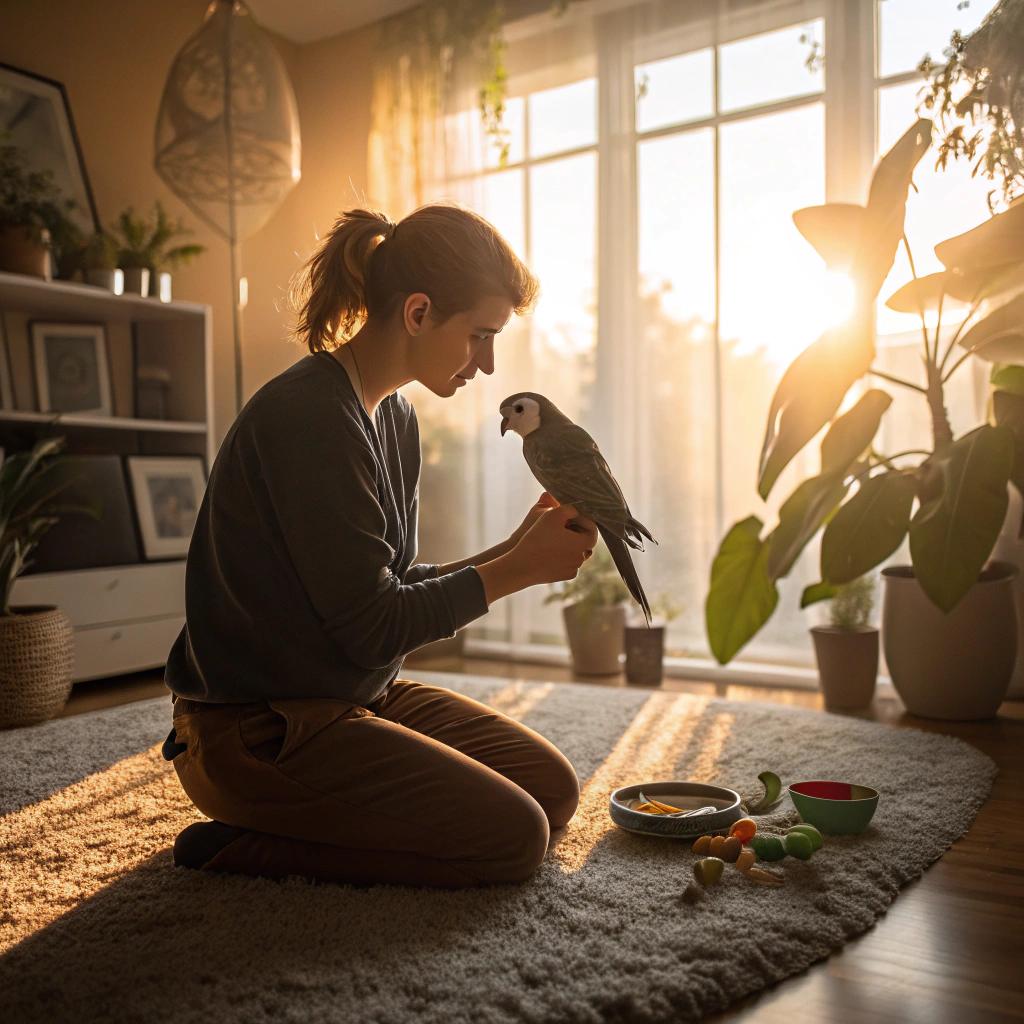
1) Failing to Research Bird Species: New bird owners often purchase a pet without fully understanding the specific needs, behaviors, and care requirements of the species they choose, leading to potential mismatches in care and expectations
One of the most common missteps new bird owners make is jumping into the purchase of a feathered friend without first conducting thorough research on the specific species they are considering. Each bird species has unique needs that encompass diet, socialization, and habitat requirements. As an example,while parakeets (budgies) tend to adapt well in smaller living spaces and are generally sociable,larger species like Macaws require substantially more space and mental stimulation. Not identifying these needs can lead to frustration and disappointment for both the bird and its owner, resulting in a less than optimal living situation for your new pet.
To assist prospective bird owners, here are some significant factors to research before making a commitment:
- Dietary Needs: Some birds require specialized diets, including fresh fruits, vegetables, and pellets.
- Social Behavior: Certain birds thrive in social settings and need regular interaction, while others may prefer solitude.
- Lifespan: Understanding the longevity of your chosen species can influence your decision, as some birds can live for decades.
- Space Requirements: Ensure you have enough room for both the cage and the bird’s exercise needs.
Additionally,consider creating a comparison table to help visualize the differences among popular bird species:
| Species | Average Lifespan | Space Needed | Social Needs |
|---|---|---|---|
| budgie | 5-10 years | Small cage | Moderate |
| Cockatiel | 10-15 years | Medium cage | high |
| Amazon Parrot | 25-50 years | Large cage | Very High |
| Macaw | 30-50 years | Very large cage | Very High |
taking the time to thoroughly research will not only flatter your new companion’s wellbeing,but it will also cultivate a rewarding bond between you and your bird,ensuring a harmonious living environment for years to come.
2) Skipping the Avian Vet Visit: Many new owners overlook the importance of an initial veterinary check-up, which is essential for identifying underlying health issues and ensuring their bird is healthy and properly vaccinated
One of the most critical steps in ensuring your new feathered friend thrives in its new environment is to schedule an initial vet check-up. Many new bird owners often underestimate this necessity, believing that their pet appears healthy without realizing that birds can mask illnesses until they become serious. By skipping this critically important visit, you may miss the possibility to identify potential health issues, such as nutritional deficiencies or infections, that coudl impact your bird’s overall well-being. An avian vet is specifically trained to recognize subtle signs of distress and can provide insights on proper care tailored to your bird’s species.
During this vet visit, your avian doctor can also discuss appropriate vaccination schedules and preventive care strategies to help safeguard your bird against common diseases. It’s essential to establish a strong relationship with a vet who specializes in birds, as they can provide valuable guidance on diet, environment, and behavior. To aid in planning,consider jotting down a list of questions to bring along,such as:
- What diet is best for my bird?
- How often should I schedule check-ups?
- What vaccines are recommended?
- Are there signs of illness I should be aware of?
3) Inadequate Socialization: Birds are social creatures that thrive on interaction. New owners sometimes underestimate the importance of daily interaction and mental stimulation, which can lead to behavioral problems or apathy
Birds are inherently social beings and flourish when they are part of a dynamic environment filled with interaction and stimulation.For new bird owners, it’s crucial to recognize that simply providing food and shelter isn’t enough. Without daily engagement, many birds can become bored or withdrawn, leading to behavioral issues such as feather plucking or constant screaming. To prevent these problems, owners should dedicate time each day to interact with their feathered friends. Consider establishing a routine that includes the following activities:
- Talking to your bird to develop their communication skills
- Playing with toys that encourage problem-solving and exploration
- Supervised out-of-cage time to foster trust and comfort
- Socialization sessions with other birds or family members
Creating a rich social environment is essential for your bird’s overall well-being. Owners should also be aware of their bird’s unique personality and preferences. Some birds may enjoy gentle handling, while others may prefer to observe their surroundings or interact primarily through play.To tailor the interaction, it can be beneficial to track the following behaviors:
| Behavior | Response | interaction Type |
|---|---|---|
| curious and playful | Encourage exploration | Playtime with toys |
| Shy or withdrawn | Provide gentle encouragement | Quiet conversation |
| Vocal and chatty | Engage in conversation | Song or mimic sessions |
4) Choosing the Wrong Cage Size: Selecting a cage that is too small can lead to stress and health issues for birds. it’s crucial to choose a spacious cage that allows for ample room to move, play, and explore
One of the most critical considerations when setting up a new home for your feathered friend is the size of their cage. Choosing a cage that is too small can stifle a bird’s natural instincts, leading to stress, irritability, and even health issues. Without enough space to move around, birds may exhibit signs of boredom and anxiety, which can result in destructive behaviors or self-harm.Thus, investing in a spacious cage is not just a luxury; it’s essential for maintaining your pet’s well-being. Aim for a cage that offers ample space for your bird to stretch its wings, climb, and play, ensuring that it feels safe and secure in its environment.
When evaluating cage sizes, consider the following factors to ensure your bird has the best possible habitat:
- Species Size: Different bird species have varying space requirements. Large parrots like Macaws need significantly more room than smaller birds like Finches.
- Height vs. Width: While vertical space is important for climbing, a broad cage allows for more horizontal movement and enrichment.
- Perch and Play Area: Ensure there is enough room to add a variety of perches and toys, promoting physical activity and mental stimulation.
5) Ignoring Nutritional Needs: Many new bird owners rely on seed mixes as the primary diet, neglecting the importance of a balanced diet that includes pellets, fresh fruits, and vegetables essential for their bird’s health
One of the most common pitfalls for novice bird enthusiasts is the reliance on seed mixes as a solitary food source. While seeds can be an enjoyable treat, they are often deficient in essential nutrients that birds require for optimal health. Many pet owners overlook the necessity of a well-rounded diet that includes high-quality pellets, which serve as a complete nutritional base.Additionally, the inclusion of fresh fruits and vegetables is vital, as these foods not only provide important vitamins and minerals but also engage your bird’s natural curiosity and foraging instincts.
To ensure your feathered friend is getting all they need, consider incorporating a variety of foods into their diet. here’s a speedy guide on what to include:
- pellets: A formulated diet that provides balanced nutrition.
- Fruits: Apples, bananas, and berries can add essential vitamins.
- Vegetables: Leafy greens,carrots,and bell peppers are excellent choices.
By diversifying your bird’s diet, you’re not just enhancing their health; you’re also making mealtime an enriching experience. Establishing a feeding routine that integrates these dietary essentials can lead to a longer, healthier life for your avian companion.
6) Overlooking Environmental Enrichment: Birds require mentally stimulating toys, perches, and activities to stay engaged.New owners often forget this aspect, leading to boredom and destructive behaviors
Providing your feathered friend with a stimulating environment is just as crucial as a balanced diet or a spacious cage. Birds are clever creatures that thrive on activity and interaction.Without engaging toys, interesting perches, and varied activities, boredom can quickly set in, leading to destructive habits like excessive screeching, plucking feathers, or turning their space into a mess. To combat this, it’s important to rotate their toys regularly and provide items that cater to their natural behaviors, such as foraging, climbing, and chewing. An ideal play area includes an assortment of toys, including:
- Foraging toys – These allow birds to work for their food, mimicking their natural instincts.
- Climbing structures – Sturdy perches and ropes keep your bird active and physically fit.
- Interactive toys – Puzzles and toys that require problem-solving engage their minds.
A diverse setup not only keeps birds entertained but also lessens the likelihood of behavioral issues. Regularly inspecting and updating your bird’s environment ensures that they remain curious and engaged. Here’s a simple table highlighting some enriching items you can incorporate:
| Item Type | Description | Benefits |
|---|---|---|
| Foraging Toys | Toys that conceal treats inside | Encourages natural foraging behavior |
| Rope Perches | soft, twistable perches | Promotes foot health and exercise |
| Mirrors | Reflective surfaces | Stimulates social interaction |
7) Misunderstanding Behavior: New bird owners might misinterpret their bird’s behaviors, leading to stress and mishandling. It’s essential to learn about common bird behaviors to foster a healthy relationship
Many new bird owners might find themselves puzzled by their feathered companions’ actions, frequently enough leading to unwarranted stress for both the bird and the owner. It’s crucial to understand that birds have a unique set of vocalizations and body language that communicate their feelings and needs. Misinterpretation can result in behaviors such as:
- Puffing Up Feathers: Often seen as aggression, this can indicate a bird is trying to stay warm or is simply relaxed.
- <strong.Biting: Many new owners view biting as hostility, but it can also signify fear or a need for space.
- <strong.Chirping: While some chirps express happiness, others might indicate distress or a call for attention.
To foster a healthy relationship with your bird, it’s imperative to learn the context behind these behaviors. Recognizing when your bird is feeling overwhelmed versus when it seeks affection can enhance your bond. In scenarios where you may feel uncertain about a behavior,consider keeping a simple observation log,which could include information such as:
| Behavior | Possible meaning | Recommended Action |
|---|---|---|
| Puffing up | Relaxation/Temperature Regulation | Provide a warm area and observe |
| biting | Fear/need for Space | give them space and check their environment |
| Chirping | Contentment or Distress | Respond accordingly based on tone |
8) Neglecting to Bird-Proof the Home: A lack of awareness about potential hazards in the home can put a bird’s safety at risk. New owners should identify and mitigate dangers like toxic plants,open windows,and accessible electrical cords
As delightful as they are,birds can be surprisingly vulnerable when it comes to household hazards. New bird owners often overlook potential dangers lurking within their homes, which could lead to disastrous consequences. It’s imperative to identify and mitigate these hazards to ensure your feathery friend thrives in a safe environment. Start by examining your living space for toxic plants; many popular houseplants, like philodendron or pothos, can be harmful if nibbled on. Consider making a list of safe plant options and replacing hazardous choices. Additionally, keeping open windows securely screened is vital, as even a small gap can tempt curious birds to make a daring escape—or worse, injure themselves in their eagerness to explore the outside world.
Another significant risk to assess is the accessibility of electrical cords.Birds are naturally inclined to chew, and electric cords can pose a major danger. To protect your pet, use cord concealers or clips to keep these wires out of reach. Additionally, be cautious about small items around the house, such as rubber bands, paper clips, or batteries, which can pose choking hazards or be toxic. By creating a safer space for your bird through thoughtful adjustments around your home, you not only enhance its well-being but also pave the way for a joyful cohabitation.
9) Rushing the Bonding Process: Building trust takes time, and new owners may unintentionally rush their birds into socialization, resulting in stress and fear. Patience and gradual exposure are key to a successful bond
Establishing a connection with your feathered friend is a delicate process that should never be hurried. Many new owners, eager to form a bond, may inadvertently pressure their birds by attempting to force interaction too soon. This rush can lead to stress for the bird, both physically and emotionally, causing them to retreat further into their shell rather than opening up to their new surroundings. To create a harmonious relationship, it’s essential to allow your bird the space and time it needs to feel safe and comfortable in its new environment.
Here are some tips to ensure a smooth bonding experience:
- Start Slow: Initiate interaction gradually, beginning with short periods of presence without direct contact.
- Respect Their Space: Let your bird explore its cage and surroundings at its own pace; don’t invade its comfort zone.
- Positive Reinforcement: Use treats and gentle tones to create positive associations with your presence, but allow the bird to initiate the contact.
- Routine Matters: Establish a consistent daily routine to help your bird feel secure and predict its social interactions.
Taking the time to learn your bird’s body language can also enhance the bonding process. Here’s a simple table illustrating some key signals to watch for:
| Signal | Meaning |
|---|---|
| Fluffed Feathers | Relaxed and comfortable |
| Spreading Wings | Feeling threatened or playful |
| Chirping and Whistling | Happy,engaged,and wanting interaction |
| Hiding or Biting | Feeling stressed or scared |
By paying attention to these signals and fostering an environment of trust and patience,you’ll nurture a more profound connection with your bird,paving the way for a long-lasting friendship.
10) Forgetting the Importance of cleanliness: Many new bird owners underestimate the need for regular cage cleaning and hygiene, which is vital for preventing infections and illnesses that can arise in a dirty environment
One of the most commonly overlooked responsibilities for new bird owners is maintaining a clean living environment for their feathered friends. Regular cage cleaning is not just about aesthetics; it’s a crucial step in ensuring your bird’s health and well-being. A dirty cage can quickly become a breeding ground for harmful bacteria and parasites, leading to infections and serious illnesses. To keep your avian companion safe, it’s essential to establish a routine that includes:
- daily Spot Cleaning: Remove uneaten food, droppings, and other waste each day.
- Weekly Deep Cleaning: Disassemble the cage for a thorough scrub-down, using pet-safe cleaners.
- Changing Bedding: Replace bedding materials every week to eliminate odor and bacteria accumulation.
- Disinfecting Toys and Perches: Clean all accessories regularly to prevent the spread of germs.
To illustrate the importance of cleanliness, consider the potential health risks associated with neglecting cage hygiene.Below is a brief comparison of common issues faced by pet birds in dirty environments versus well-maintained habitats:
| Condition | Dirty Environment | Clean Environment |
|---|---|---|
| Risk of Illness | High (bacterial infections, respiratory issues) | Low (better overall health) |
| Pest infestation | More likely (mites, flies) | Less likely (safer living space) |
| Behavioral Issues | Increased stress, aggression | Reduced stress, happier demeanor |
Prioritizing cleanliness not only fosters a healthier environment but also strengthens the bond between you and your bird, as a clean space leads to a happier, more playful pet. By adopting a firm cleaning regimen, you ensure a long and joyful life for your avian companion, allowing them to thrive in their home.Remember that your bird’s habitat reflects your commitment to their care.
Q&A
7 common Mistakes New Bird Owners Make and How to Avoid Them
What is the first mistake many new bird owners make regarding their bird’s diet?
One of the most common mistakes is feeding an unbalanced diet. Many new owners may provide only seeds, which often lack essential nutrients. Birds require a variety of foods.
- Include pellets,which are specially formulated to provide balanced nutrition.
- Add fresh fruits and vegetables for vitamins and minerals.
- Limit treats and seeds to prevent obesity.
Research specific dietary needs for your bird species to make informed choices.
How important is socialization for a new bird?
Socialization is crucial, and many new owners underestimate its importance.Birds are social creatures and require regular interaction to thrive.
- Spend quality time each day interacting with your bird.
- Consider having multiple birds if you’re away often, as they can keep each other company.
- Engage in playtime and training to strengthen your bond.
Fostering a social connection can lead to a happier and healthier bird.
what mistake do new owners frequently enough make regarding their bird’s environment?
Many new bird owners provide a small or inadequate cage for their feathered friends. A spacious habitat is essential for their well-being.
- Choose a cage that allows ample space for flying and exercising.
- Ensure the cage is equipped with perches, toys, and enrichment items.
- Place the cage in a lively area where your bird can interact with the family.
A properly sized cage is vital for your bird’s physical and mental health.
What is a common oversight regarding bird health care?
New bird owners often neglect regular veterinary check-ups. Preventative healthcare is essential for early detection of potential health issues.
- Find an avian veterinarian for health check-ups every 6-12 months.
- Stay informed about signs of illness, such as changes in appetite or behavior.
- Maintain a clean environment to prevent diseases.
Routine care helps ensure a long and healthy life for your bird.
How can new owners better understand their bird’s behavior?
Many beginners misinterpret their bird’s body language. It’s essential to learn the signs that indicate how your bird feels.
- Observe for tail feathers, beak movements, and vocalizations to gauge emotions.
- Recognize mating behaviors or signs of distress to address their needs.
- Read up on your bird’s specific species traits and behaviors.
Understanding your bird’s communication can enhance your relationship and care.
What is a common mistake involving toys and enrichment?
New bird owners frequently enough underestimate the need for mental stimulation. Birds require engaging toys to keep their minds sharp and prevent boredom.
- Rotate toys regularly to maintain interest.
- Include a mixture of chewing, foraging, and interactive toys.
- Consider DIY toys to enrich their playtime at lower costs.
Providing diverse enrichment options fosters a creative and happy environment for your bird.
What mistake should be avoided when introducing a new bird into the home?
New owners may rush the introduction process. It’s crucial to give your bird time to adjust to their new environment and routine.
- Allow the bird some quiet time upon arrival to reduce stress.
- Gradually introduce family members and other pets.
- Be patient and let your bird approach interactions at its own pace.
A considerate introduction creates a sense of security and helps strengthen your bond.
Closing Remarks
embarking on the journey of bird ownership can be a delightful and rewarding experience, filled with chirps of joy and vibrant companionship. However, as with any adventure, it’s essential to equip yourself with not only enthusiasm but also knowledge and awareness. By recognizing and avoiding these seven common pitfalls, you can create a nurturing environment where your feathered friend can thrive. Remember, every bird is unique, and taking the time to understand their individual needs will lead to a harmonious and fulfilling relationship. So spread your wings, stay informed, and let the bond between you and your avian companion take flight!



25 Comments
This is such an important topic for new bird owners; understanding these common mistakes can really make a difference in the well-being of their pets.
Great insights! It’s crucial for new owners to educate themselves to ensure their birds thrive and lead happy lives.
I couldn’t agree more! Being aware of these pitfalls not only helps in providing the best care for our feathered friends but also enhances the bond we share with them.
Thank you for sharing these valuable tips! Recognizing and avoiding these mistakes is essential for creating a healthy and enriching environment for our birds.
I appreciate this information; it’s so important for new bird owners to learn how to avoid these common pitfalls, as it directly impacts the happiness and health of our beloved companions.
These tips are incredibly helpful for new bird owners; avoiding these mistakes not only improves the quality of life for our birds but also fosters a deeper connection with them.
These are such important reminders for new bird owners; understanding these common mistakes can truly make a difference in ensuring our birds are happy and well-cared for.
This is such a valuable resource for new bird owners; by learning about these common mistakes, we can ensure that our birds thrive and lead fulfilling lives in our care.
This is an excellent guide for anyone considering bringing a bird into their home; understanding these common mistakes early on can lead to a much more satisfying and harmonious relationship with our feathered friends.
This post provides crucial insight for anyone new to bird ownership; by identifying and avoiding these common pitfalls, we can create a loving and nurturing environment that benefits both our birds and ourselves.
This article is a must-read for new bird owners; by recognizing and steering clear of these mistakes, we can help ensure that our birds live their best, happiest lives under our care.
This post highlights essential tips for new bird owners; by being aware of these common mistakes, we can enhance the well-being of our avian companions and build a strong bond with them.
This article offers invaluable advice for newcomers to bird ownership; by learning from these common mistakes, we can foster a happier and healthier life for our feathered friends and enjoy a rewarding companionship.
This article serves as a fantastic resource for new bird owners; by learning from these common errors, we can ensure our birds thrive and enjoy their time with us, enriching our lives in the process.
This informative article is essential for prospective bird owners; by understanding these frequent mistakes and how to prevent them, we can cultivate a positive and fulfilling relationship with our birds, ensuring they feel safe and happy in their new homes.
This article is incredibly useful for anyone considering bringing a bird into their home; by acknowledging these common pitfalls, we can create a nurturing environment that promotes happiness and well-being for our feathered friends.
This article provides crucial insights for anyone new to bird ownership; by recognizing and avoiding these common mistakes, we can ensure our birds lead fulfilling lives and we enjoy the joy they bring into our homes.
This article is a must-read for anyone stepping into the world of bird ownership; by understanding these key mistakes and how to avoid them, we can provide our birds with the care they truly deserve, leading to a more harmonious and joyful coexistence.
This article is invaluable for new bird owners; by identifying these typical mistakes and how to sidestep them, we can enhance our birds’ well-being and strengthen the bond we share with them.
This article is a great resource for new bird owners; by highlighting the common mistakes and offering solutions, it equips us with the knowledge needed to care for our birds properly and foster a loving and supportive environment.
This article serves as an essential guide for new bird owners; by shedding light on common errors and their preventive measures, we can ensure our birds thrive and enjoy a long, happy life with us.
This article is incredibly beneficial for novice bird owners; by outlining frequent pitfalls and offering practical advice, it empowers us to create a nurturing environment that promotes the health and happiness of our feathered companions.
This article offers crucial insights for new bird owners; by recognizing these common pitfalls and learning how to avoid them, we can create a safer and more enriching environment for our feathered friends to thrive in.
This article is a must-read for anyone new to bird ownership; by addressing typical mistakes and providing actionable tips, it helps us ensure that our avian companions have a fulfilling and healthy life with us.
This article is an invaluable resource for new bird owners; by identifying typical errors and providing effective strategies to avoid them, it helps ensure we create a safe and enriching space for our birds, enhancing our bond with them and their overall well-being.