
10 Surprising Facts About Pet Birds That Will Amaze You!
Birds have long captivated the hearts and minds of pet lovers around the globe, but there’s much more to these feathered companions than meets the eye. In this listicle, “10 Surprising Facts About Pet Birds That Will Amaze You!”, we invite you to soar into the lesser-known aspects of avian life that are sure to astonish even the most seasoned bird enthusiasts. From their notable intelligence to unique social behaviors, each fact will unravel a new layer of understanding about these vibrant members of the animal kingdom. Get ready to discover eye-opening insights that will deepen your appreciation for your chirping companions,making you see them in a whole new light. So grab your favourite snack,settle in,and prepare to be amazed by the marvelous world of pet birds!
Table of Contents
- 1) Pet birds can live surprisingly long lives,with some species like African Greys reaching up to 60 years or more in captivity,making them lifelong companions.
- 2) Many birds can mimic human speech and sounds with incredible accuracy, revealing their remarkable cognitive abilities and social nature.
- 3) Contrary to popular belief, birds are more than just colorful companions; they have their own unique personalities and can exhibit a range of emotions, including joy, sadness, and jealousy.
- 4) Certain species of pet birds, such as parrots, have the intelligence equivalent to that of a 5-year-old child, showcasing problem-solving skills and even the ability to understand abstract concepts.
- 5) Birds have a specialized organ called the syrinx, allowing them to produce complex sounds, including songs and calls, which they use to communicate and establish territory.
- 6) Most pet birds are highly social creatures that thrive on interaction; without sufficient socialization, they can develop behavioral issues similar to separation anxiety in humans.
- 7) Birds are incredibly efficient flyers, with their lightweight bones and powerful pectoral muscles, which allow them to fly long distances and even perform acrobatics in the air.
- 8) Interestingly, many birds have a unique way of bathing: they not only enjoy water baths but some species also roll in dust or sand to keep their feathers clean and healthy.
- 9) Birds possess a keen sense of sight, often able to see ultraviolet light, which is invisible to humans, giving them an entirely different perception of their environment.
- 10) Contrary to the stereotype of birds as simple pets,many species,including finches and canaries,form complex social structures and can recognize individual members of their flock.
- Q&A
- insights and Conclusions
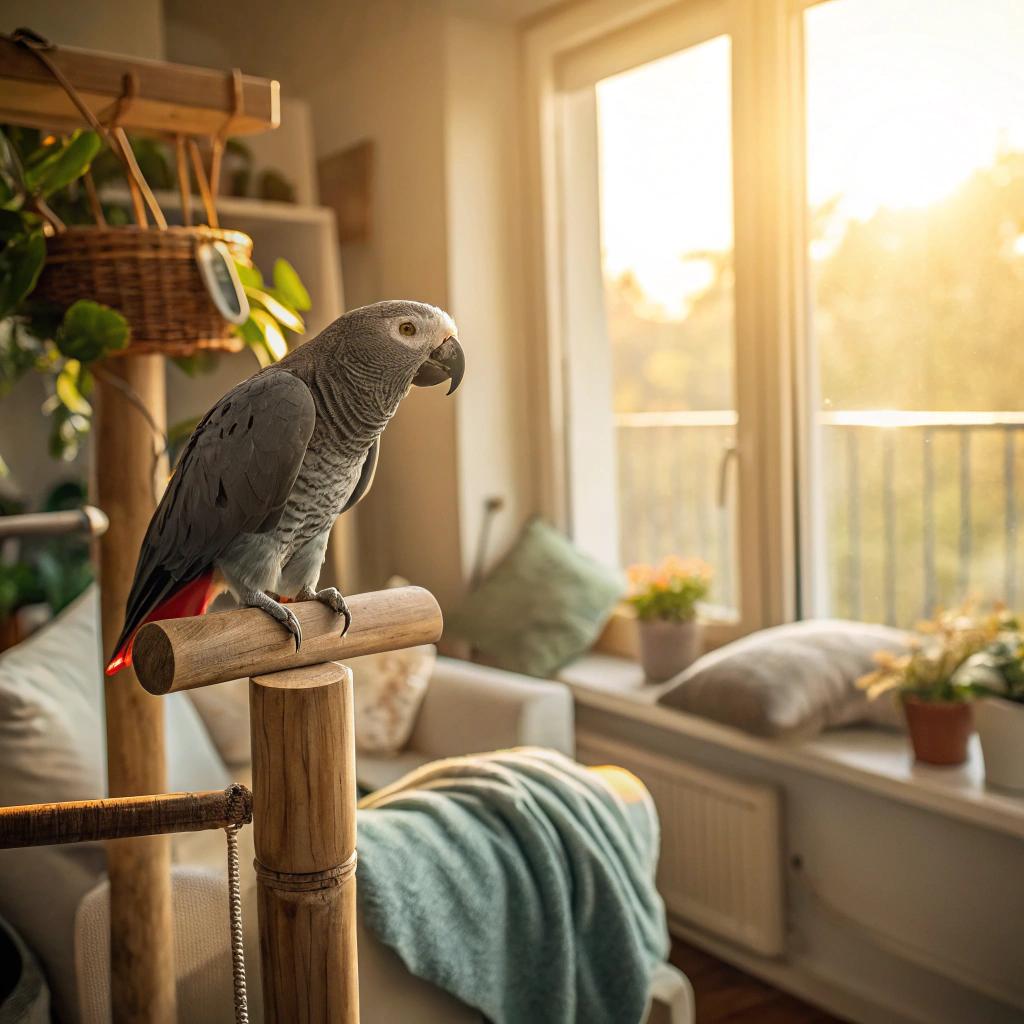
1) Pet birds can live surprisingly long lives, with some species like African Greys reaching up to 60 years or more in captivity, making them lifelong companions
it might come as a surprise to many that some pet birds, particularly the remarkable African Gray parrot, can live for six decades or even longer when cared for properly in captivity. This longevity means that bringing one of these intelligent creatures into your home is not just a short-term commitment; they can become an integral part of your family over a lifetime.Their keen problem-solving abilities and complex emotional relationships make them more than just pets—they evolve into lifelong companions that share in many of life’s milestones.
To appreciate the longevity of pet birds, consider the following aspects of their care that can contribute to their impressive lifespans:
- Diet: A balanced diet rich in fruits, vegetables, and specialized pellets is crucial for a long and healthy life.
- Social Interaction: Regular interaction with their human companions helps stimulate their minds and reduce stress.
- Enrichment: Providing toys and activities keeps their bodies active and minds engaged, preventing boredom.
- Veterinary Care: Routine check-ups ensure any health issues are addressed promptly, enhancing their quality of life.
| Species | Average lifespan |
|---|---|
| African Grey parrot | 40-60 years |
| Blue-and-yellow Macaw | 50-60 years |
| Cockatoo | 40-70 years |
| Budgerigar | 5-10 years |
| Lovebird | 10-15 years |
2) Many birds can mimic human speech and sounds with incredible accuracy,revealing their remarkable cognitive abilities and social nature
Among the most enchanting skills of pet birds is their astounding ability to mimic human speech and various sounds with astonishing precision. Species like African grey parrots, budgerigars, and mynah birds have gained a reputation for their vocal talents, often learning a broad repertoire of words and phrases. This mimicking capability is not just an entertaining trick; it reveals the cognitive complexity of these avian companions, showcasing their remarkable intelligence. Birds that can replicate sounds have a proven affinity for engaging with their human counterparts, using their voices to form social bonds and express their needs or emotions.
The process of learning to mimic human speech involves several factors, such as social interaction and exposure to varied sounds during the critical developmental periods of their lives. Birds, particularly those in social species, thrive on communication and use mimicry as a means of establishing relationships. Their vocal abilities can serve different purposes, from seeking attention to mimicking environmental sounds they associate with specific experiences. Some researchers even contend that this mimicry reflects a bird’s personality and social structure, making their speech patterns a fascinating glimpse into their world. Hear’s a short table that highlights a few remarkable mimicry talents among popular bird species:
| Bird species | Average Vocabulary | Unique Sounds |
|---|---|---|
| African Grey Parrot | up to 1000+ words | phone ringtones, laughter |
| Budgerigar | up to 500 words | whistles, chirps |
| Mynah Bird | up to 100+ words | human-like phrases |
3) Contrary to popular belief, birds are more than just colorful companions; they have their own unique personalities and can exhibit a range of emotions, including joy, sadness, and jealousy
Many people perceive birds as mere colorful companions, but these avian pets are much more complex than their vibrant feathers suggest. Research has shown that they can develop distinct personalities, ranging from playful jokesters to shy introverts. Each bird’s character can be influenced by its breed, individual experiences, and social interactions. For instance,the social Budgerigar is known for its cheerful and kind demeanor,while the more reserved African Grey Parrot may exhibit a thoughtful and contemplative nature. Understanding and appreciating these personality traits can deepen the bond between bird and owner, fostering a more engaging and fulfilling relationship.
A fascinating aspect of avian behavior is their capacity for a wide range of emotions. Birds are capable of feeling joy when they engage in playful activities, sadness when they lose a companion, or even jealousy when their favorite person pays attention to another pet. This emotional depth can often be seen in their reactions and body language. For example, a bird may fluff its feathers and chirp excitedly when it sees a beloved owner or exhibit signs of distress if it is left alone for too long. Taking the time to observe these behaviors can reveal the layers of emotional intelligence that our feathered friends possess, inviting a whole new understanding of their vibrant lives.
4) Certain species of pet birds, such as parrots, have the intelligence equivalent to that of a 5-year-old child, showcasing problem-solving skills and even the ability to understand abstract concepts
While you might think of your feathered friend as a simple companion, studies show that certain pet birds, particularly parrots, possess remarkable intelligence. These avian companions can tackle problems that would stump many adults,showcasing impressive cognitive abilities that rival those of a 5-year-old child. Ever seen a parrot solve a puzzle box to get its favorite treat? It’s not just a party trick; it demonstrates their ability to think critically and find solutions to challenges in their environment.
Moreover, parrots can grasp abstract concepts, engaging in complex communication and even displaying a level of understanding that can lead to reasoning about their actions and consequences. For instance, they may learn to associate sounds with particular meanings or actions, enabling them to express needs or desires in a way that feels almost human.This complex cognitive behavior can be summarized in the table below, illustrating how parrot intelligence parallels child development:
| Parrot Ability | Equivalent to Child Development Stage |
|---|---|
| Problem Solving | 5 Years Old |
| Understanding Cause and Effect | 4-5 Years Old |
| Conceptual Communication | 3-4 Years Old |
5) Birds have a specialized organ called the syrinx, allowing them to produce complex sounds, including songs and calls, which they use to communicate and establish territory
One of the fascinating features of birds is their unique vocal organ, the syrinx, which is frequently enough referred to as the “voice box” of these avian wonders. unlike mammals, birds possess this specialized organ located at the base of their trachea, were the bronchial tubes split. the syrinx’s design allows birds to produce a wide array of sounds—ranging from melodies to intricate calls that convey emotions, signal danger, or establish territory. With the ability to manipulate muscles surrounding the syrinx, they can create diverse pitches and tones that are not only beautiful but can also express complex social behaviors.
Interestingly,different species utilize their syrinx in distinct ways,leading to a variety of communication styles. Some birds, like songbirds, are known for their melodious tunes, while others, such as parrots, can also mimic human speech with remarkable clarity. Here are a few examples of how various birds employ their syrinx:
- Song Sparrows: Create melodious and diverse songs to attract mates and establish territory.
- Common Loons: Use haunting calls to communicate over long distances across lakes.
- Yellow-Crowned Amazon Parrots: Show impressive vocal mimicry, echoing human phrases and household sounds.
This emphasis on sound not only enriches the lives of pet birds but also allows their owners to engage with them on a more meaningful level. Understanding the nuances of their vocalizations can lead to a deeper bond and appreciation for these feathered companions.
6) Most pet birds are highly social creatures that thrive on interaction; without sufficient socialization,they can develop behavioral issues similar to separation anxiety in humans
Pet birds are often more than just pets; they are companions that crave connection and interaction. These feathered friends thrive on social engagement, whether it’s with their human caretakers or other birds.When surrounded by their social circle, you may notice them vocalizing joyfully, preening, and performing playful antics. In contrast, a lack of interaction can lead to loneliness and stress, which may manifest as behavioral problems akin to separation anxiety in humans. To maintain their mental well-being, bird owners should strive to provide daily interaction through playtime, training, and even simple conversations.
To understand the effects of socialization on pet birds,consider some common behaviors linked to isolation:
| Behavior | Description |
|---|---|
| Excessive Screaming | can indicate a need for attention or an expression of distress when feeling lonely. |
| Plucking Feathers | A sign of stress or boredom; birds may self-mutilate when they feel neglected. |
| Aggression | May result from frustration or a lack of social outlets, leading them to lash out. |
By providing enough socialization and interaction, you can foster a happy and healthy environment for your pet bird. Engaging with them through various activities not only strengthens your bond but also reinforces their sense of security and happiness.Remember, a well-socialized bird is not just a happier bird; it’s a delightful companion that brings joy to your life!
7) Birds are incredibly efficient flyers, with their lightweight bones and powerful pectoral muscles, which allow them to fly long distances and even perform acrobatics in the air
Birds are nature’s aerodynamic marvels, a feat of evolution that enables them to soar through the skies with grace and agility. Their lightweight bones are not only hollow but also structured in a way that reduces weight without sacrificing strength. This unique skeletal design allows birds like the albatross to travel thousands of miles across oceans with minimal energy expenditure. Additionally, their powerful pectoral muscles play a critical role in their flight, propelling them into the air and allowing for remarkable maneuvers. From the swift wingbeats of a hummingbird to the soaring glide of a hawk, each species showcases a combination of muscle and bone that enhances their flying capabilities.
furthermore, many birds demonstrate impressive aerial acrobatics that capture the attention of onlookers. With special adaptations, they can perform complex aerial dances, tight turns, and rapid dives. For example, the common swift can fly at speeds up to 70 mph while capturing insects mid-air, showcasing their incredible flying skills. Here are a few birds known for their extraordinary flying abilities:
| Bird Species | Notable Flight Capability |
|---|---|
| Albatross | Longest wingspan, capable of gliding for hours without flapping |
| hummingbird | Ability to hover in place and fly backwards |
| Peregrine Falcon | Fastest bird, reaching speeds over 240 mph in a dive |
8) Interestingly, many birds have a unique way of bathing: they not only enjoy water baths but some species also roll in dust or sand to keep their feathers clean and healthy
Birds are not just dainty creatures when it comes to hygiene; they have developed some fascinating and varied methods to keep their feathers in prime condition. While most people picture birds splashing around in water to bathe, many species engage in a behavior known as “dust bathing,” where they roll around in loose soil or fine sand. This unique ritual serves multiple purposes, including absorbing excess oil and dirt, removing parasites, and even helping to maintain the protective structure of their feathers.
Dust bathing is primarily observed in ground-dwelling birds, such as sparrows, pigeons, and chickens.The dust serves as a natural exfoliant, and when they fluff their feathers after a session, they help distribute the particles throughout, providing a natural, protective barrier against the elements. Interestingly, some species, such as parrots, will alternate between water and dust baths, showcasing their playful nature and highlighting their need for a variety of bathing options. This behavior not only reflects their adaptability but also signifies the importance of feather care in their overall health.
9) Birds possess a keen sense of sight, often able to see ultraviolet light, which is invisible to humans, giving them an entirely different perception of their environment
Imagine looking at the world through a vibrant kaleidoscope—this is the reality for our feathered friends. Birds, equipped with an extraordinary visual system, can perceive the world in ways we can only dream of. Their eyes contain specialized photoreceptors that allow them to detect ultraviolet (UV) light.This means that while a sunflower may appear yellow to us, a bird can see it glowing with intricate UV patterns that are invisible to the human eye. Such abilities are not only fascinating but play a crucial role in their survival, helping them locate food and identify potential mates. Birds use UV vision to find ripe fruits that reflect UV light or to spot the feathers of their peers, which might reflect UV patterns, signaling health and vitality.
The implications of this unique vision extend beyond mere aesthetics. Here are some captivating facets to consider:
- Navigation: Birds can navigate using landmarks that reflect UV light, allowing for a better understanding of their environment.
- Foraging: Certain insects and fruits may reflect UV light, making them more visible to birds when searching for food.
- Communication: Many birds use UV reflectance in their plumage, playing a key role in mate selection and social interaction.
To illustrate this wonderfully eerie capacity,consider the following table highlighting some common bird species known for their exceptional vision:
| Bird Species | UV Sensitivity | Unique Vision Benefits |
|---|---|---|
| Blue Jay | High | Excellent for fruit selection |
| Pigeon | Very High | Navigation over long distances |
| American Goldfinch | moderate | Enhanced mate attraction |
10) Contrary to the stereotype of birds as simple pets,many species,including finches and canaries,form complex social structures and can recognize individual members of their flock
While many people view birds as straightforward pets that chirp in their cages,these engaging creatures exhibit surprisingly intricate social behaviors. Species like finches and canaries are not just pretty faces; they possess the ability to form robust social structures and relationships within their flocks. Among their notable skills is the capability to recognize individual birds, enabling them to build unique bonds.This social intelligence is marked by intricate interactions, ranging from grooming and feeding rituals to vocal communication that varies by personality and rank within the group.
To further illustrate the complexity of these avian societies, consider the following characteristics:
- Hierarchical structures: Birds frequently enough engage in pecking orders, where dominant individuals enjoy prime feeding spots and nesting areas.
- Vocal recognition: Many species can identify friends and foes based on distinctive calls, much like humans respond to names.
- Cooperative behaviors: Birds often assist each other in foraging for food and maintaining their shared environments, showcasing their sense of community.
| bird Species | Social Behavior | Recognition Skill |
|---|---|---|
| Finches | Form strong pairs and groups | Identify flock members |
| Canaries | Engage in complex vocalizations | Distinguish individual calls |
These remarkable abilities demonstrate that pet birds are far more than mere companions; they are sentient creatures capable of establishing social networks that rival those of larger mammals. Understanding the social complexities of finches and canaries allows pet owners to provide enriched habitats that cater to their emotional and social needs, leading to happier, healthier birds.
Q&A
10 Surprising Facts About Pet Birds That Will Amaze You!
1. Can parrots really speak like humans?
Yes, many species of parrots have the ability to mimic human speech! This capability stems from their exceptional vocal cords and intelligence.Parrots don’t just mimic sounds; they can associate words with meanings and use them in context, which is a fascinating aspect of their behavior.
2. do birds have emotions similar to humans?
absolutely! Pet birds can experience a range of emotions such as joy, fear, and even jealousy. Studies indicate that they form strong bonds with their owners and can become stressed or lonely if left alone for long periods. Understanding their emotional needs is crucial for their well-being.
3. Can pet birds recognize their owners?
Many bird species, particularly parrots, can recognize their owners and can even distinguish between familiar and unfamiliar faces. This ability highlights their incredible memory and social intelligence, allowing them to thrive in close-knit environments.
4. Are all pet birds good at flying?
While most birds are naturally built for flight, pet birds often need to be trained to fly in domestic environments. Some breeds, like budgerigars and cockatiels, excel at flying, but many pet birds are kept with clipped wings, limiting their ability to soar. It’s essential to provide a safe area for them to exercise their flying skills.
5. Do pet birds enjoy playing with toys?
Definitely! Pet birds are naturally curious and playful. They thrive on mental stimulation and physical activity, so providing them with a variety of toys—from foraging puzzles to chew toys—is vital for their health. Engaging in play keeps them happy and helps prevent boredom-related behaviors.
6. How long can pet birds live?
The lifespan of pet birds varies significantly depending on the species. such as,parakeets typically live between 10 to 15 years,while larger species like macaws can live up to 50 years or more! This long lifespan makes them a long-term commitment for pet owners.
7. Can birds learn from each other?
Yes! Birds are social animals and often learn new behaviors through observation. In a multi-bird household, younger birds can pick up skills and antics from older, more experienced birds, showcasing their intuitive learning abilities and social dynamics.
8.Are birds as smart as some primates?
Several studies have shown that certain pet bird species, especially some parrots and corvids, exhibit intelligence on par with some primates. They can solve complex problems, use tools, and even understand basic numerical concepts, making them remarkably intelligent companions.
9. Do birds require a balanced diet similar to humans?
Yes, birds need a balanced diet that typically includes seeds, pellets, fruits, and vegetables to remain healthy.Unlike humans, birds require particular nutrients that are vital for their health, so it’s essential for owners to educate themselves on proper avian nutrition to avoid health issues.
10. Can birds recognize their reflection?
Interestingly, some pet birds can recognize their reflection in mirrors, while others may see it as another bird. Species like African Grey parrots and some cockatoos show self-recognition, indicating a level of self-awareness that continues to intrigue researchers and bird enthusiasts alike.
Insights and Conclusions
As we’ve explored these 10 surprising facts about pet birds, it’s clear that these feathered companions are far more than just colorful decorations in our homes. Their intelligence,unique personalities,and social behaviors can be just as captivating as those of any other pet. Whether you’re a seasoned bird owner or thinking about welcoming a winged friend into your life, understanding their quirks and capabilities can enhance the bond you share.
From their impressive vocal skills to their remarkable memory, these facts remind us that there’s always something new to learn about our avian companions. So,the next time you listen to your parakeet’s chatter or marvel at your parrot’s antics,remember that these birds are not only beautiful creatures but also fascinating beings with their own stories to tell.
We hope you enjoyed this intriguing journey into the world of pet birds. Keep your eyes and ears open—there’s always another amazing fact waiting to take flight! Until next time, happy birdwatching!



25 Comments
I had no idea pet birds could be so intelligent and social; it’s fascinating how they can even learn to mimic human speech!
I’ve always thought of birds as simple pets, but these facts really highlight their complex personalities and abilities; it’s inspiring to learn more about them!
These facts completely changed my perception of pet birds; it’s incredible to realize how much interaction and enrichment they need to thrive!
I’m amazed by how much personality pet birds have; it’s refreshing to see them recognized as the intelligent and social creatures they are!
These facts are not only eye-opening but also emphasize the importance of understanding and meeting the needs of pet birds for a happy and fulfilling life together!
These insights truly showcase how much depth and character pet birds possess, reminding us that they require not just care, but meaningful companionship and stimulation to truly thrive.
I’m blown away by how much we underestimate the intelligence of pet birds; they truly are fascinating companions that deserve our attention and respect!
It’s truly fascinating to discover how pet birds have such rich emotional lives and unique social structures; they deserve our attention and care as much as any other pet!
It’s incredible to learn about the diverse behaviors and needs of pet birds; they are so much more complex than many people realize, and they bring such joy and companionship to our lives.
The surprising facts about pet birds highlight just how vital it is to appreciate their individuality and provide them with a stimulating environment; they enrich our lives in ways we often overlook.
It’s remarkable to see how much we can learn from pet birds; their behaviors and intelligence not only surprise us but also challenge us to create a more enriching environment for these amazing creatures.
These facts remind us that pet birds are not just beautiful to watch but also have complex personalities and social needs, making it crucial for us to provide them with the love and attention they truly deserve.
These facts really shine a light on how unique and intelligent pet birds are, emphasizing the importance of understanding their behaviors and providing a supportive environment that caters to their needs.
These fascinating facts really enhance our appreciation for pet birds, underscoring the need for dedicated care and social engagement to ensure they thrive and bring joy to our households.
These intriguing facts shed light on the hidden complexities of pet birds, reminding us that each one is not only a companion but also a fascinating being deserving of our respect and understanding.
These surprising facts highlight the incredible adaptability and intelligence of pet birds, reinforcing the idea that they require not just care, but also mental stimulation and social interaction to truly flourish in our homes.
These eye-opening facts about pet birds serve as a valuable reminder of their rich emotional lives and diverse needs, highlighting the importance of fostering a nurturing environment that encourages their natural behaviors and strengthens our bond with them.
These surprising facts about pet birds truly reveal how much more there is to their existence than we often realize, emphasizing the significance of creating an enriching environment that nurtures their natural instincts and fosters a meaningful relationship with them.
These astonishing insights about pet birds deepen our understanding of their unique personalities and needs, reinforcing the importance of providing them with a stimulating and loving environment that respects their individuality.
These compelling facts about pet birds showcase their remarkable intelligence and emotional depth, encouraging us to engage with them in ways that promote their well-being and strengthen our connections.
These fascinating insights into pet birds illustrate their complexity and the unique ways they communicate and interact, prompting us to view our feathered friends not just as pets, but as companions deserving of our love and attention.
These intriguing facts about pet birds not only enhance our appreciation for their capabilities but also emphasize the need for us to be more attuned to their emotional and social needs, ensuring they thrive as the vibrant companions they are.
These eye-opening facts about pet birds highlight their incredible adaptability and intelligence, reminding us of the vital role we play in enriching their lives through interaction and understanding.
These enlightening facts about pet birds serve as a powerful reminder of their unique traits and social dynamics, encouraging us to foster an environment that supports their natural behaviors and enriches our shared lives.
These surprising facts about pet birds reveal the depth of their personalities and the nuances of their care, inspiring us to dive deeper into their world and appreciate the joy they bring to our lives.