

10 Essential Tips to Train Your Rabbit for a Happier Life
Rabbits are more than just adorable pets; they can be affectionate companions that bring joy and warmth to our lives. However, like any furry friend, they require patience, understanding, and a little bit of training to flourish. If you’re eager to create a harmonious living habitat for your bunny, you’re in the right place! In this article, we’ll explore “10 Essential Tips to Train Your Rabbit for a happier Life.” From mastering the basics of litter training to understanding your rabbit’s unique behaviour, these practical tips will empower you to build a stronger bond with your pet.Discover how to enhance your rabbit’s well-being, promote good habits, and ensure that your furry companion enjoys a fulfilling, joyous life alongside you. Get ready to hop into the world of rabbit training!
Table of Contents
- 1) Start with Bonding: Spend quality time with your rabbit to build trust and create a strong bond, laying the foundation for effective training.
- 2) Use positive Reinforcement: Reward your rabbit with treats, praise, or playtime when they exhibit desired behaviors, encouraging them to repeat those actions.
- 3) Be Consistent: Maintain a consistent training routine and use the same commands or signals to help your rabbit understand what is expected.
- 4) Create a safe Training Space: Designate a quiet, comfortable area free from distractions where your rabbit can focus solely on the training process.
- 5) Keep Sessions Short: Limit training sessions to 5-10 minutes to keep your rabbit engaged and prevent them from becoming overwhelmed or disinterested.
- 6) introduce Basic Commands: Teach your rabbit simple commands like “come,” “sit,” and ”stay” to establish a framework for more advanced training.
- 7) Address Behaviors Early: Tackle any unwanted behaviors, such as chewing or digging, as they arise to prevent them from becoming ingrained habits.
- 8) Incorporate Playtime: Use playtime as a training opportunity by teaching tricks or incorporating commands into games, making learning enjoyable.
- 9) Emphasize Socialization: Expose your rabbit to different environments, sounds, and people gradually to enhance their confidence and adaptability.
- 10) Be Patient and Observant: Every rabbit learns at their own pace, so practice patience and pay attention to your rabbit’s body language to support their learning journey.
- Q&A
- In Summary
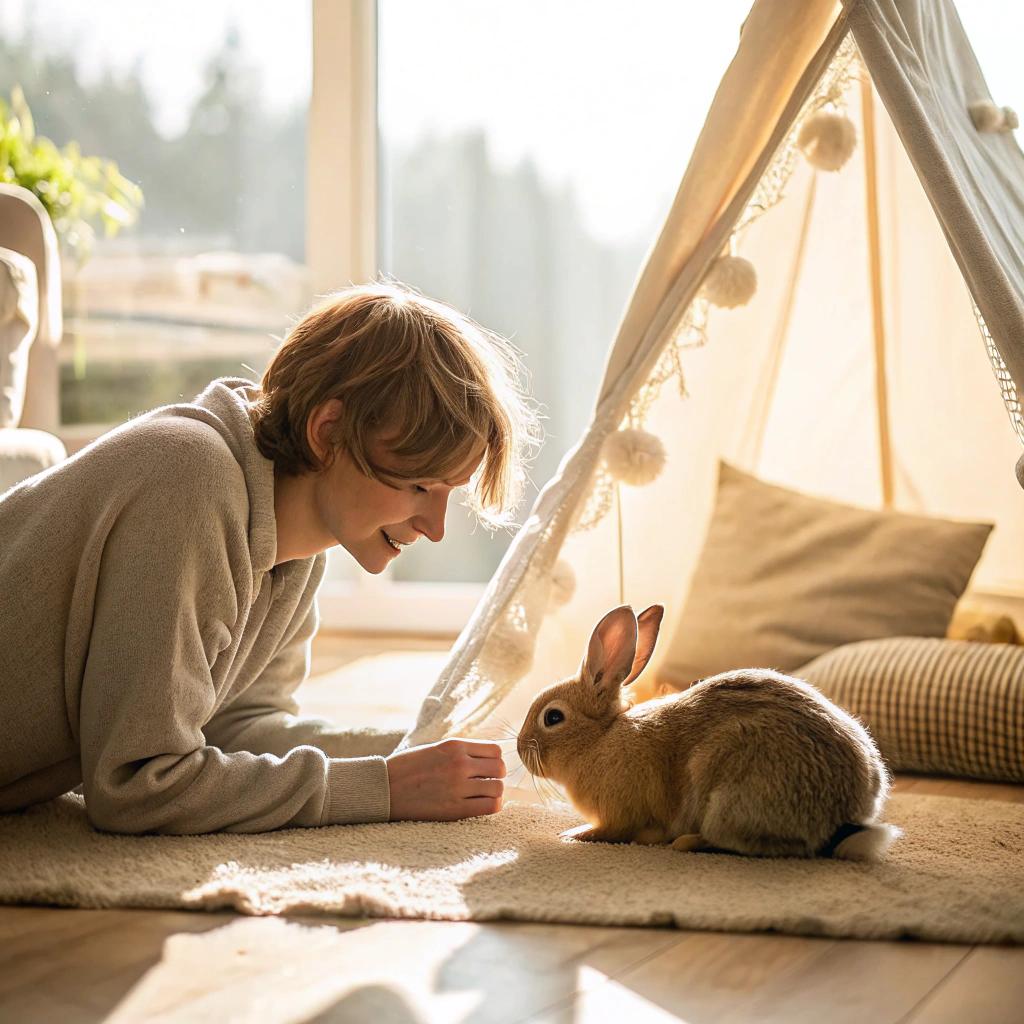
1) Start with Bonding: Spend quality time with your rabbit to build trust and create a strong bond, laying the foundation for effective training
Building a strong relationship with your rabbit is crucial for successful training, and the best way to establish that connection is by spending quality time together. Start by creating a calm environment where your rabbit feels safe and comfortable. Sit quietly in their space, allowing them to come to you when they’re ready. Offer gentle pets and soothing words, which help ease any anxiety and build their confidence in your presence. This initial bonding phase lays the groundwork for effective communication and understanding during training sessions.
to make the most of your bonding time, consider engaging in activities that cater to your rabbit’s natural instincts and needs. You might try:
- Interactive Play: Use toys or tunnels that your rabbit enjoys to encourage play and exploration.
- Grooming Sessions: Brush your rabbit regularly to help them relax while also fostering a trusting bond.
- Treat Time: hand-feed your rabbit small, healthy treats to associate your presence with positive experiences.
This consistent, positive interaction not only reinforces trust but also makes training more effective, as your rabbit will be more willing to engage and learn.
2) Use Positive Reinforcement: Reward your rabbit with treats, praise, or playtime when they exhibit desired behaviors, encouraging them to repeat those actions
Building a positive relationship with your rabbit hinges on the consistent use of positive reinforcement techniques. When your bunny performs a desired behavior,such as using the litter box or approaching you for pets,reward them immediately to strengthen that behavior. You can choose from a variety of treats to celebrate these moments, such as small bites of carrot, fresh parsley, or specialized rabbit treats, ensuring they are healthy and appropriate. Additionally,praise your rabbit with an enthusiastic tone and gentle petting to create a sense of enjoyment and comfort,reinforcing the bond between you.
Beyond treats and praise,consider incorporating playtime into the training process. Engaging your rabbit in interactive games, like chasing a toy or exploring a new environment, serves as a reward and encourages them to associate positive experiences with training sessions. here’s a speedy reference table to help you choose effective rewards:
| treats | Rotation Time | Recommended Play Activities |
|---|---|---|
| Fresh carrot slices | After a successful behavior | Roll-a-Treat ball |
| Small bits of apple | During training sessions | Obstacle courses |
| Parsnip pieces | Weekly | Hide and seek with favorite toys |
| Commercial rabbit treats | as special rewards | Follow the leader exercises |
3) Be Consistent: Maintain a consistent training routine and use the same commands or signals to help your rabbit understand what is expected
Creating a consistent training routine is as vital for your rabbit as it is for a dedicated athlete. By establishing a schedule, you help your furry friend understand that training is a part of their daily life.Aim for short but frequent sessions-around 5 to 10 minutes a day works wonders. During these sessions, always use the same commands or signals, as rabbits thrive on predictability. This helps reinforce their learning and builds their trust in you. Here are a few tips to maintain that consistency:
- Set Specific times: Choose a few times during the day that will be devoted solely to training.
- Use Identical cues: Stick to the same words and gestures so your rabbit can easily associate them with the desired action.
- Stay Patient: Remember, it may take time for your rabbit to adjust.Consistency encourages familiarity.
Moreover, consistency goes beyond just the timing and commands; it also encompasses the training environment. Make sure to conduct your sessions in a quiet, distraction-free space. This will help your rabbit maintain focus and reduce anxiety. Here’s a simple table to illustrate how training environments can influence your rabbit’s performance:
| Environment | Benefits |
|---|---|
| Quiet Room | Minimizes distractions, fosters concentration |
| Familiar Space | Reduces stress, enhances comfort |
| Outdoor Area | Stimulates curiosity, encourages exploration |
4) Create a Safe Training Space: Designate a quiet, comfortable area free from distractions where your rabbit can focus solely on the training process
establishing a designated training area for your rabbit is crucial for fostering a productive learning environment. This space should be calm, quiet, and comfortable, away from the hustle and bustle of daily life. Consider laying down soft mats or blankets to make it inviting and easy on their little paws. Elements like their favorite toys or a cozy hideout can help alleviate any stress, promoting a more focused mindset during training sessions.
to ensure the area remains a haven for your rabbit, keep it free from distractions such as loud noises, other pets, or stimulating visual stimuli. Here’s a quick checklist to set up the perfect training zone:
- Choose a quiet room or corner.
- Remove any potential distractions or hazards.
- Add soft bedding or mats for comfort.
- Incorporate familiar objects to ease anxiety.
This dedicated space will not only enhance your rabbit’s ability to learn,but it will also create a sense of safety and trust between you and your furry friend.
5) Keep Sessions Short: Limit training sessions to 5-10 minutes to keep your rabbit engaged and prevent them from becoming overwhelmed or disinterested
When it comes to training your rabbit, keeping the sessions brief is essential for maintaining their enthusiasm and focus. Rabbits are naturally curious, but their attention spans can be quite short. A training session lasting only 5-10 minutes allows your furry friend to absorb new details without feeling overwhelmed. During this time, you can use various methods to teach commands or tricks, and frequent breaks will help keep the experience positive for your rabbit.
To maximize the effectiveness of these short sessions,consider incorporating the following elements:
- Variety: Change up the tricks or commands you work on to keep your rabbit interested.
- Rewards: Use treats or praise as motivation, ensuring they associate training with positive experiences.
- Environment: choose a quiet,distraction-free space to help your rabbit concentrate better.
- consistent Timing: Train at the same time each day to create a routine that your rabbit can predict and look forward to.
Tracking progress during these brief training intervals can also be beneficial. Consider maintaining a simple table to record the commands practiced and your rabbit’s response:
| Command | Response (1-10 Scale) | Notes |
|---|---|---|
| Come | 7 | Responds well with treats. |
| Spin | 5 | Needs more reinforcement. |
| Jump | 8 | Excited and eager to learn! |
6) Introduce Basic Commands: Teach your rabbit simple commands like “come,” “sit,” and “stay” to establish a framework for more advanced training
Teaching your rabbit basic commands is not just about impressing your friends; it’s about building a communicative bond with your furry companion. Begin with commands such as “come,” “sit,” and “stay.” These fundamental skills establish a framework for more complex behaviors and improve your rabbit’s overall responsiveness. start with a comfortable space where your rabbit feels secure, free from distractions. Use positive reinforcement techniques like treats or gentle praise every time your rabbit successfully follows a command. Consistency is key; practice these commands daily to help them stick in your rabbit’s memory.
As you progress, make sure to vary your training sessions to keep things interesting for your rabbit. You can try using a simple table to track your progress, as shown below:
| Command | Action Taken | Reward Given |
|---|---|---|
| Come | Rabbit hops towards you | Favorite treat |
| Sit | Rabbit sits on command | Gentle head rub |
| Stay | Rabbit remains still | Time out with a favorite toy |
Utilizing a simple table will not only help you stay organized but will also highlight your rabbit’s accomplishments and areas for improvement. Remember,patience is essential; every rabbit learns at its own pace. Celebrate each small victory with enthusiasm, and soon enough, you’ll notice a more well-behaved and engaged pet!
7) Address Behaviors Early: Tackle any unwanted behaviors, such as chewing or digging, as they arise to prevent them from becoming ingrained habits
Addressing unwanted behaviors in your rabbit promptly is crucial for maintaining a harmonious living environment. When you notice your furry friend engaging in activities like chewing on furniture or digging in the carpet, it’s vital to intervene early before these habits become second nature. Rabbits are intelligent creatures, and early intervention can be the key to modifying their behavior effectively. Consider implementing the following strategies:
- Provide Alternatives: Redirect their chewing instincts to appropriate toys or chewables. Offer a variety of textures to keep them engaged.
- Positive Reinforcement: Whenever your rabbit chooses the right item to chew or digs in designated areas, reward them with treats or verbal praise.
- Environment Enrichment: Create a stimulating environment with tunnels, boxes, and toys that encourage exploration rather than destructive behaviors.
behavioral modifications can often require time and patience. Tracking the progress in appealing ways can help you stay focused and motivate your rabbit.Keeping a behavior log is one effective way to see patterns and monitor improvements. Here’s a simple format you might consider:
| Date | Behavior Observed | response Action | Result |
|---|---|---|---|
| 2023-10-01 | Chewing Couch | Redirected to Toy | Success! |
| 2023-10-03 | Digging Carpet | Gave Tunnel | Improved |
Remember to be patient with your rabbit as they learn. Just like humans, they require time to adapt to new boundaries. Consistency in your approach will help reinforce desirable behaviors, leading to a more enjoyable relationship between you and your beloved companion.
8) Incorporate Playtime: Use playtime as a training opportunity by teaching tricks or incorporating commands into games, making learning enjoyable
Turning playtime into an educational experience is a fantastic way to bond with your rabbit while teaching them new skills. Instead of conventional training methods, try integrating commands into their favorite games.For example, when playing with toy balls or tunnels, use commands like “come,” “jump,” or “spin.” Not only does this reinforce good behavior, but it also makes learning feel like a natural part of their play. Here are some ideas to get you started:
- Hide and Seek: Encourage your rabbit to find you or treats while responding to your calls.
- Obstacle Courses: Create a mini course where they can jump through hoops or navigate tunnels while you call out commands.
- Treat Toss: Train your rabbit to follow commands by tossing treats strategically during play.
Using playtime this way transforms training into an exciting experience instead of a chore. It allows your rabbit to express their natural curiosity while they learn, enhancing their mental stimulation and keeping them engaged. Consider setting aside specific times for these play-training sessions each week and always keep an eye on their reactions. Positive reinforcement should flow freely during these moments, as it encourages your rabbit to associate the fun with their learning process. strengthening your bond is as significant as teaching them commands; the better your rabbit feels during play, the more likely they are to respond positively to the training:
| Playtime Activity | Command | Benefits |
|---|---|---|
| Obstacle Courses | Jump | Physical exercise, agility improvement |
| Hide and Seek | Come | Enhances recall skills, fun bonding time |
| Treat Toss | Spin | Fun learning, encourages playfulness |
9) Emphasize Socialization: Expose your rabbit to different environments, sounds, and people gradually to enhance their confidence and adaptability
Rabbits are naturally curious creatures, and introducing them to new surroundings can substantially boost their confidence. To nurture this curiosity, start with short, supervised outings in different areas of your home or yard. Gradually expose them to a variety of environments-like a park, garden, or even a friend’s house. This exposure not only helps your rabbit feel more comfortable in unfamiliar settings but also allows them to experience different smells and sights. While you’re out exploring, pay attention to the sounds around them, such as birds chirping or the rustle of leaves, and allow them to investigate these stimuli at their own pace.
Inviting friends or family members to meet your rabbit can also be beneficial. Choose calm, gentle people to interact with your pet, allowing them to approach when they’re ready. This type of social exposure ensures your rabbit learns that not all encounters are threats, helping them develop a more relaxed demeanor. To help keep track of your rabbit’s exposure to different experiences, consider creating a simple checklist that includes their interactions, new environments, and sounds they’ve encountered. By fostering a well-rounded social life, you promote adaptability, ultimately enabling your rabbit to thrive in a variety of settings.
| Environment Type | sound type | Potential Friends |
|---|---|---|
| Home | Appliances | Family Members |
| Park | Bird Calls | Calm Friends |
| Garden | Rustling Leaves | Trusted Neighbors |
| Friend’s House | footsteps | Children (Supervised) |
10) Be Patient and Observant: Every rabbit learns at their own pace, so practice patience and pay attention to your rabbit’s body language to support their learning journey
Training a rabbit is as much about understanding them as it is about teaching them. Each rabbit has a unique personality and learning style, which means that some will grasp new commands and tricks quickly, while others may take their time. To foster a nurturing learning environment, it’s crucial to exercise patience-the more relaxed you are, the more relaxed your rabbit will feel. This creates a safe space where your rabbit can experiment and engage without the pressure of expectations.
Being observant is equally important; take time to watch your rabbit’s body language and moods. Subtle cues such as ear positioning, tail movement, and overall posture can give you insights into how they’re feeling. As a notable example, if they seem curious or relaxed, it might be a good time to introduce a new trick. Conversely, if they appear anxious or tense, it’s best to slow down and provide them with comfort before continuing. By combining your patience with keen observation, you’ll not only enhance the training experience but also strengthen the bond between you and your furry friend.
Q&A
10 Essential Tips to Train Your Rabbit for a Happier Life
What is the best age to start training my rabbit?
The ideal age to start training your rabbit is when they are a juvenile, typically between 3 to 6 months old. At this age, they are naturally curious and more receptive to learning. Though, older rabbits can also be trained with patience and consistency!
How can I create a positive training environment for my rabbit?
To create a positive training environment, ensure the space is quiet and free from distractions. use a comfortable and safe area where your rabbit feels secure. Additionally,have treats and their favorite toys on hand to reinforce positive behaviors during training sessions.
What are effective methods to train my rabbit?
Rabbits respond well to using positive reinforcement techniques. Here are some effective methods:
- Treat rewards: Always have treats ready to reward your rabbit after they perform a desired behavior.
- Clicker training: A clicker can help mark the exact moment your rabbit performs the correct behavior, followed by a treat.
- Consistent commands: Use the same words or phrases for commands to avoid confusing your rabbit.
How long should each training session be?
Training sessions should be kept short and engaging. Aim for sessions of about 5 to 10 minutes to prevent your rabbit from losing interest. You can have multiple sessions throughout the day to maintain a routine without overwhelming them.
What commands can I teach my rabbit?
Here are some basic commands to start with:
- Come: Build a recall system using treats.
- Hop: Encourage them to jump through hoops or over small obstacles.
- Stay: Teach your rabbit to remain in place for a short duration.
Is it important to socialize my rabbit during training?
Absolutely! Socialization is key to a happy and well-adjusted rabbit.Gradually introduce your rabbit to different people and environments.Use treats and praise to create positive associations with new experiences and social interactions.
How can I handle unwanted behaviors in my rabbit?
Handle unwanted behaviors by redirecting your rabbit’s attention to more appropriate activities. Instead of punishing, focus on:
- Providing toys to chew on instead of furniture.
- Using treats to encourage desired behaviors.
- Gently guiding them away from negative actions.
What kind of treats are best for training?
The best treats for training should be small, healthy, and appealing.Look for fresh vegetables like carrots or leafy greens, and consider commercial rabbit treats that are high in fiber and low in sugar. Moderation is key to maintaining your rabbit’s health!
How can I incorporate mental stimulation into training?
Mental stimulation can be incorporated through interactive toys and puzzles. Encourage problem-solving by hiding treats in toys or using cardboard boxes where they can dig and explore. These activities keep their minds active and can enhance the training process!
What is the best way to reinforce training over time?
Reinforcement can be improved by maintaining a consistent schedule, gradually increasing the difficulty of tasks, and rewarding your rabbit frequently at first. As they learn, you can reduce the frequency of treats but continue to give praise for good behavior to keep them motivated!
In summary
As we hop towards the end of our journey through these 10 essential tips for training your rabbit, remember that patience and understanding are your greatest allies. Each rabbit is a unique individual with its own personality, quirks, and preferences.By fostering a strong bond through gentle training methods, you’re not just teaching your furry friend; you’re creating a lasting friendship built on trust and respect. Embrace this adventure, and don’t forget to celebrate those little victories along the way. With love, patience, and a sprinkle of creativity, you can ensure your rabbit leads a happier, healthier life-because a well-trained rabbit is a joyful rabbit. Happy training, and may your days be filled with binkies and cuddles!



28 Comments
These tips are incredibly helpful! I’ve been struggling to train my rabbit, and I can’t wait to try out these strategies for a happier and more well-behaved bunny. Thank you for sharing!
I really appreciate these tips! Training can be a challenge, but having a structured approach makes it so much easier. Looking forward to implementing some of these ideas with my rabbit!
These tips are fantastic! I’ve always thought training a rabbit was impossible, but with the right methods, it seems much more achievable. Can’t wait to see the positive changes in my little friend!
These tips are a game changer! I’ve been wanting to connect better with my rabbit, and I’m excited to try out these techniques to enhance our bond and create a more enriching environment for him.
These tips are invaluable! I’ve been searching for ways to better communicate and bond with my rabbit, and I’m eager to start implementing these techniques to improve our relationship and enrich his life.
These tips are exactly what I needed! My rabbit has been a bit stubborn, and I love that there’s a structured way to train him. I’m excited to see how these techniques can help him become happier and more responsive.
These tips are incredibly helpful! I’ve always wanted to train my rabbit but wasn’t sure where to start. I’m looking forward to applying these techniques and watching my furry friend thrive.
I’m so grateful for these insights! Training my rabbit felt daunting, but these practical tips make it seem doable. I’m looking forward to strengthening our bond and helping him lead a happier life.
I’m really impressed with these tips! They’ve given me a clear direction on how to effectively train my rabbit, and I can’t wait to see the positive changes in his behavior and happiness. It’s all about creating a stronger connection with him.
I appreciate these tips! They’ve given me a fresh perspective on rabbit training, and I feel more equipped to understand and support my bunny’s needs. I’m excited to see the differences in his behavior as we work together.
These tips are fantastic! They’ve really clarified the training process for me, and I feel so much more confident in my ability to communicate with my rabbit. I’m eager to get started and implement these strategies for a more fulfilling relationship.
These tips are exactly what I needed! They provide a solid foundation for training, and I feel inspired to put them into practice. It’s amazing how a little guidance can make such a big difference in nurturing a happy and well-adjusted rabbit.
These tips are incredibly helpful! They simplify the training process and make it feel achievable, which is just what I needed to build a stronger relationship with my rabbit. I can’t wait to start using them and see the positive impact on our daily interactions.
These tips are invaluable! They’ve opened my eyes to new training methods, and I feel motivated to create a positive environment for my rabbit. I look forward to observing the benefits in his behavior and overall happiness as we implement these strategies together.
I find these tips extremely practical and insightful! They’re a great reminder that training can be a positive experience for both my rabbit and me. I’m excited to apply these techniques and strengthen our bond while ensuring my bunny lives a happy and enriched life.
These tips are very informative and motivating! They highlight the importance of patience and consistency in training, and I’m excited to use them to help my rabbit thrive. I can already envision a happier and more trusting bond between us as I apply these strategies.
These tips are fantastic and provide a clear roadmap for rabbit training! I’m eager to implement these strategies and foster a joyful and healthy environment for my bunny, helping him feel secure and loved. It’s encouraging to see how small, consistent efforts can lead to a more fulfilling relationship.
These tips are a game-changer! They not only offer practical advice but also emphasize the emotional connection that can be built through training. I’m inspired to create a more enriching environment for my rabbit, fostering trust and happiness as we grow together.
These tips are wonderfully comprehensive and offer a great balance between training and nurturing. I’m looking forward to integrating them into my routine with my rabbit, as I believe they will not only enhance his well-being but also deepen our connection as companions.
These essential tips provide a solid foundation for rabbit training and well-being! I’m eager to start implementing them with my own bunny, as I believe they will not only enhance her quality of life but also nurture our relationship in meaningful ways.
I appreciate the thoroughness of these tips; they truly encapsulate the essentials for nurturing a rabbit’s well-being. I’m excited to apply these methods to strengthen my bond with my rabbit while promoting her happiness and growth.
These tips are incredibly insightful and highlight the importance of a structured approach to rabbit care. I can’t wait to start using them to make my rabbit’s life happier and help strengthen our bond even further.
These tips are fantastic and provide a well-rounded approach to rabbit training and care. I’m eager to put them into practice, as I believe they will significantly improve my rabbit’s happiness and reinforce our bond as companions.
I find these tips to be incredibly valuable, especially as they emphasize both training and the emotional well-being of rabbits. Implementing these strategies will surely help create a happier environment for my rabbit while strengthening our companionship.
These tips are excellent, emphasizing the connection between training and a rabbit’s happiness. I’m looking forward to trying them out, as I believe they’ll help me better understand my rabbit’s needs and enhance our relationship.
These tips are a great reminder of how important it is to focus on both training and our rabbits’ emotional needs. I’m excited to implement them to foster a happier, more fulfilling life for my rabbit and enhance our connection.
I appreciate these tips as they highlight the balance between training and providing a nurturing environment for our rabbits. I’m eager to apply these suggestions to enhance my rabbit’s happiness and deepen our relationship.
These essential tips truly emphasize the importance of understanding our rabbits’ behavior and needs, which is key to fostering a strong bond and a joyful life for them. I’m looking forward to trying out these strategies to enhance my rabbit’s happiness and overall well-being.