

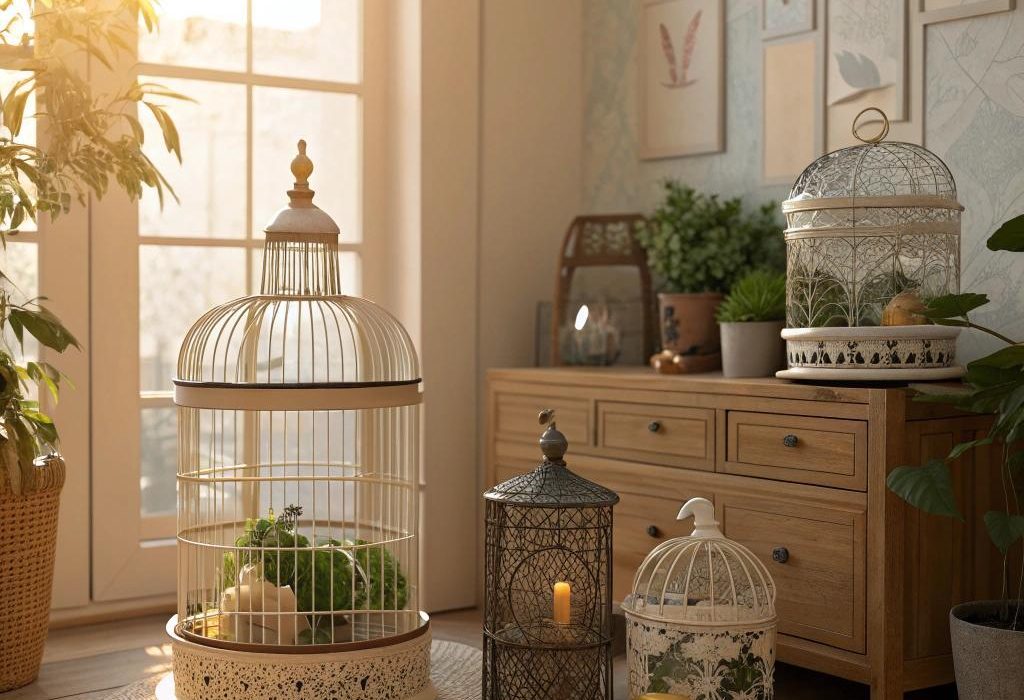
10 Essential Tips for Choosing & Caring for Bird Cages
Are you ready to create teh perfect home for your feathered friend? Choosing and caring for a bird cage can be a delightful yet daunting task. With so many options and considerations, its easy to feel overwhelmed. Fear not! In this listicle, we’ve compiled 10 essential tips that will guide you through the process of selecting the ideal cage for your avian companion and ensuring it remains a cozy, safe, and stimulating environment. From understanding size and material to mastering cleaning techniques and enhancing enrichment, these insights will empower you to make informed decisions and elevate your bird’s living experience. Whether you’re a seasoned bird owner or just starting your journey, you’ll gain practical knowledge and creative ideas that will help your feathered friend thrive in their new home. Let’s dive in!
Table of Contents
- 1) Consider the Size: Ensure the cage is spacious enough for your bird to move freely, stretch its wings, and engage in natural behaviors.
- 2) Choose the Right Material: Select cages made from non-toxic materials like stainless steel or powder-coated iron, which are durable and safe for your feathered friend.
- 3) Evaluate Bar Spacing: For safety, check the spacing between bars. Smaller birds need narrow spacing to prevent escapes, while larger birds require wider bars to avoid getting stuck.
- 4) Prioritize Ventilation: A well-ventilated cage helps maintain proper air circulation, which is essential for your bird’s health and comfort.
- 5) Opt for a Suitable Shape: Cages come in various shapes-rectangular or flight cages are ideal for birds that need room to fly, while round cages may not offer the same level of space.
- 6) Include Multiple Perches: Birds love to perch, so add a variety of perches at different heights and textures to encourage exercise and mental stimulation.
- 7) Regular Cleaning Routine: Establish a regular cleaning schedule to keep the cage hygienic. A clean cage helps prevent illnesses and promotes a healthy environment.
- 8) Invest in Enrichment: Provide toys and activities within the cage to engage your bird mentally and physically, reducing boredom and encouraging natural behaviors.
- 9) Monitor Temperature and Humidity: Keep the cage in a stable environment, avoiding extreme temperatures or drafts to ensure your bird’s well-being.
- 10) Consider Future Needs: Plan for the long term by choosing a cage that can accommodate potential changes in your bird’s size or behavior,making it a lasting home for your pet.
- Q&A
- Insights and Conclusions
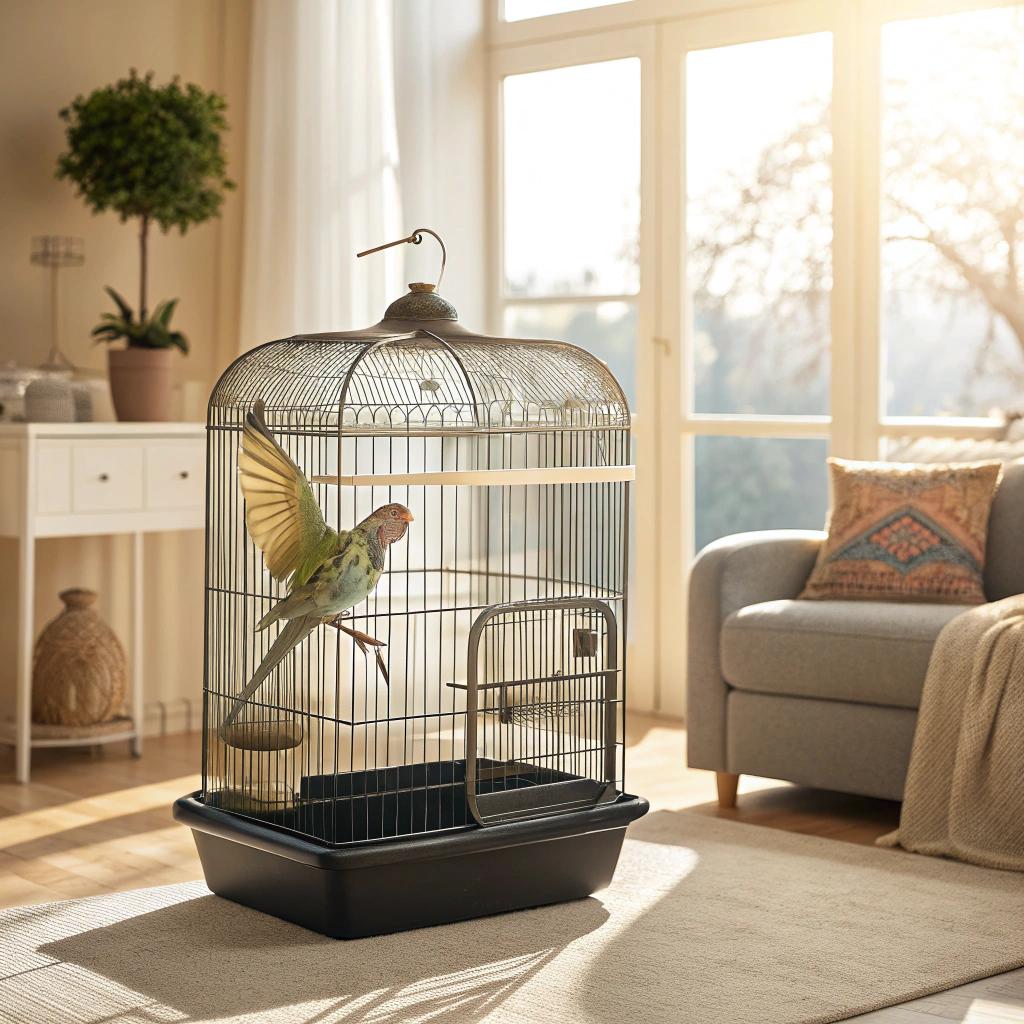
1) Consider the Size: Ensure the cage is spacious enough for your bird to move freely, stretch its wings, and engage in natural behaviors
When selecting a home for your feathered friend, keep in mind that a spacious cage is essential for their well-being. birds need ample room to move freely, stretch their wings, and engage in natural behaviors. A cramped environment can lead to boredom and stress, negatively impacting their health. Aim for a cage that is not only tall but also wide, allowing your bird to take flight within its confines. Consider the species you are bringing home; larger birds require more space compared to their smaller counterparts.
In addition to overall dimensions, consider the layout and design of the cage. Look for features that allow for vertical climbing as well as horizontal space for flying. This can include multiple perches at different heights and spacious play areas. Ensure that there are no sharp edges or hazardous materials within the cage that could harm your bird.Remember that enriching their environment doesn’t just mean size – a well-thought-out cage structure leads to a happy and healthy bird!
2) Choose the Right Material: Select cages made from non-toxic materials like stainless steel or powder-coated iron, which are durable and safe for your feathered friend
When selecting a cage for your feathered companion, prioritizing the choice of materials is crucial for both durability and safety. Stainless steel is an excellent option as it is not only resistant to corrosion and rust but also easy to clean, ensuring a hygienic environment for your pet. This material can withstand the test of time, making it a worthy investment for any bird owner. likewise,powder-coated iron is another safe choice,providing a sturdy structure while being coated in a non-toxic finish that prevents any harmful rust or sharp edges. When shopping around, always confirm that the coatings are lead-free and adhere to safety regulations for pet products.
Moreover, it’s essential to avoid materials that can put your bird at risk.Some common cage materials to steer clear of include plastic, which may harbor harmful chemicals, and cages with zinc components, as they are toxic to birds.Opting for cages that signify safety can make a notable impact on your pet’s well-being. To help you differentiate between suitable and unsuitable materials,consider the following simple comparison:
| Material | Safety Level | Durability | Ease of cleaning |
|---|---|---|---|
| Stainless Steel | High | Excellent | Easy |
| powder-Coated Iron | High | Good | Moderate |
| Plastic | Low | Poor | Varies |
| Zinc-Coated Iron | Low | Good | Moderate |
3) Evaluate Bar Spacing: For safety,check the spacing between bars. Smaller birds need narrow spacing to prevent escapes, while larger birds require wider bars to avoid getting stuck
When selecting a birdcage, the spacing between the bars is one of the most critical factors to consider for the well-being of your feathered friend. For smaller birds, such as finches and budgerigars, narrower bars are essential to prevent them from squeezing through and escaping, which could lead to hazardous situations outside the safety of their cage. ideally, aim for a bar spacing of less than ½ inch for these petite pals to ensure they remain secure and pleasant in their environment.
conversely,larger bird species,like parrots and cockatoos,require wider bar spacing to avoid the risk of getting their heads or limbs stuck. For these birds, a spacing of ¾ inch to 1 inch is generally recommended. It’s vital to know the specific requirements of the bird species you’re considering, as improper spacing can lead to injury or escape. Below is a fast reference table to help you evaluate proper bar spacing based on the bird species:
| Bird Size | Recommended Bar spacing |
|---|---|
| Small Birds (e.g., finches, budgies) | < ½ inch |
| Medium Birds (e.g., lovebirds, cockatiels) | ½ – ¾ inch |
| Large birds (e.g., parrots, macaws) | ¾ – 1 inch |
4) Prioritize Ventilation: A well-ventilated cage helps maintain proper air circulation, which is essential for your bird’s health and comfort
Ensuring that your bird’s cage has excellent ventilation is crucial for their overall well-being. Birds are sensitive creatures and require a fresh air supply free from stale odors and pollutants. A well-ventilated cage not only helps to regulate temperature but also minimizes the accumulation of dust and dander, promoting a healthier living environment. Look for cages that feature:
- Open-top designs for improved air flow
- Cage bars spaced appropriately to allow air to circulate freely
- Add-on ventilation panels to enhance air exchange
- Strategically positioned doors and access points for airflow without compromising safety
In addition to choosing the right cage design, the placement of your bird’s cage plays a significant role in air circulation. Ideally, the cage should be situated:
| Position | Benefits |
|---|---|
| Away from walls | Prevents stagnant air and allows for better circulation. |
| Near windows (but not direct sunlight) | Provides a natural breeze while maintaining temperature control. |
| In a high-traffic area | Encourages interaction while ensuring the cage receives adequate airflow. |
By considering these factors and prioritizing ventilation, you’ll contribute significantly to your feathered friend’s health and comfort, ensuring they thrive in their new home.
5) Opt for a Suitable Shape: Cages come in various shapes-rectangular or flight cages are ideal for birds that need room to fly, while round cages may not offer the same level of space
When selecting a cage for your avian companion, the shape can significantly impact their overall happiness and health. Rectangular or flight cages are notably beneficial for species that enjoy flying, allowing them to stretch their wings and exercise effectively.These cages not only provide ample horizontal space but also can be outfitted with climbing branches and perches that encourage dynamic movement. In contrast, round cages, while aesthetically pleasing, often fall short in offering the necessary movement and habitat enrichment that birds require. The lack of corners can hamper a bird’s ability to make use of the cage space, posing challenges for larger species or active breeds.
Moreover, beyond the functionality of the cage shape, aesthetic considerations should not be overlooked. Visual appeal can enhance your home environment while ensuring your bird feels comfortable in their surroundings.Here are some points to ponder when evaluating cage shapes:
- Space to Fly: Rectangular cages should provide enough length for your bird to freely flap and glide.
- climbing opportunities: Choose cages that allow for vertical expansion, encouraging natural climbing behavior.
- Accessibility: Ensure the cage shape allows easy access both for the bird and for cleaning purposes.
- Security: A proper shape can also enhance your bird’s sense of security, making them feel safe in their habitat.
6) Include Multiple Perches: Birds love to perch, so add a variety of perches at different heights and textures to encourage exercise and mental stimulation
Providing a variety of perches within your bird’s cage is essential for their physical well-being and mental stimulation. Different heights and textures give your feathered friend the prospect to explore their environment, engaging their natural instincts to climb and play. Consider incorporating a mix of the following types of perches:
- Natural Wood Perches: These mimic a bird’s natural habitat and offer a comfortable grip.
- Sandpaper perches: These help keep your bird’s nails trimmed and provide a different texture for their feet.
- Platform Perches: Flat surfaces allow for relaxation and eating, adding variety to their perching experience.
- Swings: Fun and engaging, swings promote playfulness while strengthening their muscles.
Position these various perches at different heights throughout the cage to encourage your bird to exercise. You might want to set up tall perches near the top of the cage to appeal to their instinct to be high up, while lower perches can provide a safe space for resting or feeding. Below is a simple table to help you visualize the ideal placement and purpose of each perch type:
| Perch Type | Height Placement | Purpose |
|---|---|---|
| Natural Wood | Middle | Comfort and grip |
| sandpaper | Lower | Nail maintenance |
| Platform | Varies | Resting and eating |
| Swings | Top | Play and exercise |
7) Regular Cleaning Routine: Establish a regular cleaning schedule to keep the cage hygienic. A clean cage helps prevent illnesses and promotes a healthy environment
One of the most crucial aspects of bird care is maintaining a hygienic environment. A regular cleaning routine ensures that your bird cage remains free from waste, mold, and harmful bacteria. To implement this, create a cleaning schedule that outlines daily, weekly, and monthly tasks. Daily chores may include removing droppings and uneaten food, while weekly tasks can involve scrubbing perches, food dishes, and water containers. Monthly, you might want to conduct a deep clean, which includes washing down the entire cage and replacing any worn-out accessories.
Here is a suggested checklist to follow for your cleaning schedule:
| Task | Frequency |
|---|---|
| Remove droppings | Daily |
| Change food and water | Daily |
| Wash food and water dishes | Weekly |
| Scrub perches and accessories | Weekly |
| Deep clean the cage | Monthly |
Regular maintenance not only contributes to your bird’s health but also makes it easier to spot any signs of illness or distress. A clean cage can significantly enhance your bird’s quality of life,encouraging playfulness and activity while reducing stress. By dedicating time to these cleaning tasks, you’ll create a welcoming environment for your feathered friend that promotes longevity and happiness.
8) Invest in enrichment: Provide toys and activities within the cage to engage your bird mentally and physically, reducing boredom and encouraging natural behaviors
Creating a stimulating environment in your bird’s cage is crucial for their overall well-being. Birds, like children, require mental and physical engagement to thrive. Interactive toys, such as puzzle feeders or foraging toys, can help mimic natural behaviors while keeping your feathered friend entertained. Consider incorporating climbing structures and swings to encourage physical activity. These additions not only prevent boredom but also promote exercise,which is vital for your bird’s health. Mix up the toys regularly to keep their interest piqued, much like a refreshing change in routine for us!
In addition to toys, providing suitable activities can transform your bird’s space into a playground. Birds love to explore, so incorporating natural branches or perches of varying thicknesses can create a more enriching environment. Setting up foraging stations where they can search for hidden treats can tap into their instinctual behaviors and make for a rewarding experience. To help you get started, here’s a simple table listing recommended toys and activities to consider:
| Toy/Activity | Benefit |
|---|---|
| Puzzle Feeders | Promotes foraging and problem-solving skills |
| Swings | Encourages physical activity and play |
| Climbing Structures | Supports exercise and mental stimulation |
| Foot Toys | Enhances dexterity and coordination |
| Mirrors | Provides social interaction and visual stimulation |
9) Monitor Temperature and Humidity: Keep the cage in a stable environment, avoiding extreme temperatures or drafts to ensure your bird’s well-being
Maintaining a consistent environment is crucial for your feathered friend’s health and happiness. Birds are particularly sensitive to changes in temperature and humidity, so it’s significant to keep their cage in a location that avoids extremes. Ideally, the temperature range for most pet birds falls between 65°F to 80°F (18°C to 27°C).Position the cage away from direct sunlight, heaters, or air conditioning vents to prevent sudden temperature fluctuations. Draft-free zones are essential; a slight breeze might make us comfortable, but for birds, it can lead to stress or illness.
Monitoring humidity levels is just as important as keeping the temperature right. Ideally, humidity should be maintained between 40% to 60%.Low humidity can lead to dry skin and respiratory issues, while high humidity may encourage mold growth and make it harder for birds to breathe. You can easily regulate humidity using humidifiers or dehumidifiers, depending on your environment. For added assurance, consider using a simple temperature and humidity monitor, which can help you keep your bird’s habitat in the optimal range.
| Temperature Range | Ideal Humidity Level |
|---|---|
| 65°F – 80°F | 40% – 60% |
10) Consider future Needs: Plan for the long term by choosing a cage that can accommodate potential changes in your bird’s size or behavior,making it a lasting home for your pet
When selecting a bird cage,it’s crucial to think beyond the immediate needs of your feathered friend. As your bird matures, its behavior, size, and activity levels may change significantly. A cage that feels spacious today might become cramped in a few months or years, so opt for one that can adapt to these shifts. Consider choosing a larger cage or one with adjustable features, such as removable dividers, that can grow with your pet.This proactive approach will ensure that your bird remains comfortable and engaged in its living environment.
Moreover, think about how your bird’s social needs might evolve over time. A single parakeet may thrive alone now, but in the future, you could find yourself welcoming a companion for your pet.A cage designed for multiple birds allows for an easy transition without needing an entirely new setup. Look for features that encourage interaction, like spacious perches and play areas. By planning ahead and investing in a versatile cage, you’ll create a lasting home for your bird and enhance its quality of life.
Q&A
10 Essential Tips for Choosing & Caring for bird Cages
What should I consider when choosing a bird cage?
when selecting a bird cage, consider the following factors:
- Size: Ensure the cage is spacious enough for your bird to stretch its wings and move around comfortably.
- Bar spacing: Choose a cage with appropriate bar spacing to prevent your bird from escaping or getting stuck.
- Material: Opt for a cage made from bird-safe materials, like powder-coated metal, to ensure durability and safety.
- Accessibility: Look for cages with easy access doors, removable trays, and multiple perches for convenience.
How can I determine the right size of cage for my bird?
The size of the cage largely depends on the species of bird you own. Here are some tips:
- Small birds (<12 inches): 18" x 18" x 24" minimum.
- Medium birds (12-20 inches): 24″ x 24″ x 36″ minimum.
- Large birds (>20 inches): 36″ x 48″ x 60″ minimum.
Always opt for the largest cage your space allows to ensure your bird has room to fly and play.
What features should I look for in a bird cage?
Key features to consider include:
- Multiple openings: Facilitate easy access for cleaning and interacting with your pet.
- Removable tray: Simplifies cleaning and maintenance.
- Perches and play areas: Provide opportunities for exercise and mental stimulation.
How frequently enough should I clean my bird’s cage?
Cage maintenance is crucial for your bird’s health. Clean the cage:
- Daily: Remove uneaten food, droppings, and replace water.
- Weekly: Deep clean the cage, items, and toys using bird-safe cleaning solutions.
This ensures a hygienic environment and enhances your bird’s well-being.
What accessories should I include in the cage?
To enrich your bird’s environment, consider including:
- Perches: Vary sizes and textures to promote foot health.
- Toys: Rotate toys regularly to keep your bird entertained and mentally stimulated.
- Food and water dishes: Use sturdy,easy-to-clean bowls that are secured to prevent tipping.
How can I ensure my bird is comfortable in its cage?
Comfort can be enhanced by:
- Adding bird-safe bedding materials at the bottom of the cage.
- adjusting perches to different heights to encourage natural behavior.
- Positioning the cage in a quiet area, but not isolated, to help your bird feel secure.
What is the best location for my bird’s cage?
Avoid direct sunlight or drafts when choosing a cage location. The ideal spot should offer:
- A consistent temperature.
- A place where your bird can observe daily activities.
- Accessibility for regular interaction and socialization.
What type of food should I provide in the cage?
Your bird’s diet should be well-balanced, including:
- high-quality pellets: These should form the base of its diet.
- Fresh fruits and vegetables: Introduce a variety, but research which are safe for your specific bird.
- Seeds: Treat seeds as a supplement, not the primary source of nutrition.
How can I encourage my bird to interact with its environment?
Fostering interaction can be achieved through:
- The installation of climbing branches and ladders.
- Regularly rotating toys and introducing new items to stimulate curiosity.
- Spending time near the cage to promote social interaction.
What signs indicate that my bird needs a new cage?
Watch for these signs that it might potentially be time for an upgrade:
- Your bird displays signs of stress or aggression.
- The cage shows signs of wear, rust, or damage.
- Your bird seems cramped and is unable to move freely.
Always prioritize your bird’s health and happiness when considering a new cage.
Insights and Conclusions
As we conclude our journey through the essential tips for choosing and caring for bird cages, it’s clear that a well-informed decision can transform your feathered friend’s life and yours. Remember, a bird cage isn’t just a home, it’s a sanctuary where your avian companion will thrive, explore, and engage with the world around them.With the right cage,regular maintenance,and a little creativity,you can craft an environment that nurtures their well-being and allows their personality to shine. Whether you’re a seasoned bird enthusiast or a new owner standing at the threshold of this delightful adventure, these tips will guide you in creating a safe, cheerful, and stimulating home for your cherished pet.
so take a deep breath, gather your supplies, and embark on this exciting journey of avian companionship.After all, every chirp, flutter, and interaction is a reminder of the joy that these exquisite creatures bring into our lives. Happy bird-keeping!



25 Comments
Great tips! It’s so important to choose the right cage size and materials to ensure our feathered friends are happy and healthy.
I love how these tips emphasize both the selection and ongoing care of bird cages; it’s crucial for creating a safe and stimulating environment for our pets.
These tips are incredibly helpful, especially for first-time bird owners; understanding the specific needs of different bird species can really make a difference in their well-being.
These insights provide a fantastic guide for both new and experienced bird owners; ensuring the proper care and cage environment can significantly enhance a bird’s quality of life.
These tips are invaluable; proper cage selection and care not only enhance the birds’ happiness but also help prevent common health issues, making it essential knowledge for anyone who loves their avian companions.
These tips are essential for anyone looking to provide the best possible environment for their birds; proper care and the right cage can truly improve their overall well-being and happiness.
These tips are a great resource for bird owners; prioritizing the right cage and proper maintenance can lead to happier, healthier birds and a more fulfilling experience for their caregivers.
Donna Nelson: This article is a must-read for anyone who cares about their feathered friends; making informed choices about cages and maintenance can truly transform their living conditions and overall happiness.
Cynthia Walker: This guide offers practical advice that any bird owner can benefit from; choosing the right cage and understanding its maintenance is fundamental to ensuring a safe and comfortable home for our beloved birds.
This guide is incredibly useful for bird enthusiasts; understanding the nuances of cage selection and maintenance can significantly impact the quality of life for our pets, ensuring they thrive in a nurturing environment.
Keith Stevens: These insights are invaluable for both new and seasoned bird owners; selecting the appropriate cage and ensuring it is well-maintained can greatly enhance the well-being of our avian companions.
Ashley Adams: This post is a fantastic resource for bird lovers; following these tips on cage selection and care can greatly improve the health and happiness of our birds, ensuring they lead vibrant lives in a safe environment.
Laura Lopez: This collection of tips is essential for anyone looking to provide the best for their birds; understanding how to choose and care for their cages can significantly influence their wellbeing and happiness in our homes.
Frances Gibson: These tips are essential for making informed decisions about bird care; a well-chosen and properly maintained cage can transform a bird’s living conditions, promoting their health and happiness immeasurably.
Christina Hill: These tips are crucial for any bird owner; knowing how to choose the right cage and properly care for it can make a significant difference in your bird’s happiness and overall health.
Jay Edwards: This guide is incredibly helpful; making the right choices for our bird cages and committing to their upkeep can truly elevate our feathered friends’ quality of life and create a nurturing environment for them to thrive.
Heather Freeman: This guide offers invaluable insights; selecting the right cage and maintaining it properly is fundamental to ensuring our birds feel secure and content, ultimately enriching their lives significantly.
Kimberly Coleman: These insights are invaluable; choosing the right cage and ensuring it is well cared for not only safeguards our birds’ comfort but also fosters their emotional wellbeing, making a world of difference in their daily lives.
Jack Sullivan: These recommendations are essential for bird owners; a thoughtfully selected and well-maintained cage not only enhances the birds’ living environment but also plays a pivotal role in their overall wellbeing and contentment.
Danielle Roberts: These tips are so practical; understanding the importance of cage selection and maintenance is key to ensuring our birds lead happy, healthy lives while feeling secure in their environment.
Henry Cox: These tips are crucial for anyone with birds; a well-chosen and properly maintained cage not only provides a safe haven but also encourages our pets to flourish, reflecting their physical and emotional health.
Kathleen Jenkins: These tips are incredibly helpful; a good cage not only protects our feathered friends but also enhances their quality of life, making it essential for every bird owner to invest time in selecting and caring for the right environment.
Anna Gonzales: These guidelines are a must-read; selecting the appropriate cage and committing to its upkeep can significantly impact our birds’ happiness and health, ultimately fostering a stronger bond between us and our avian companions.
Daniel Ford: These insights are invaluable; investing in the right cage and maintaining it properly can make a world of difference for our birds, ensuring they thrive both physically and emotionally while enriching our experience as bird owners.
Joyce Woods: This advice is spot-on; knowing how to choose and care for a bird cage can truly elevate our pets’ well-being and happiness, making it an essential aspect of responsible bird ownership.