

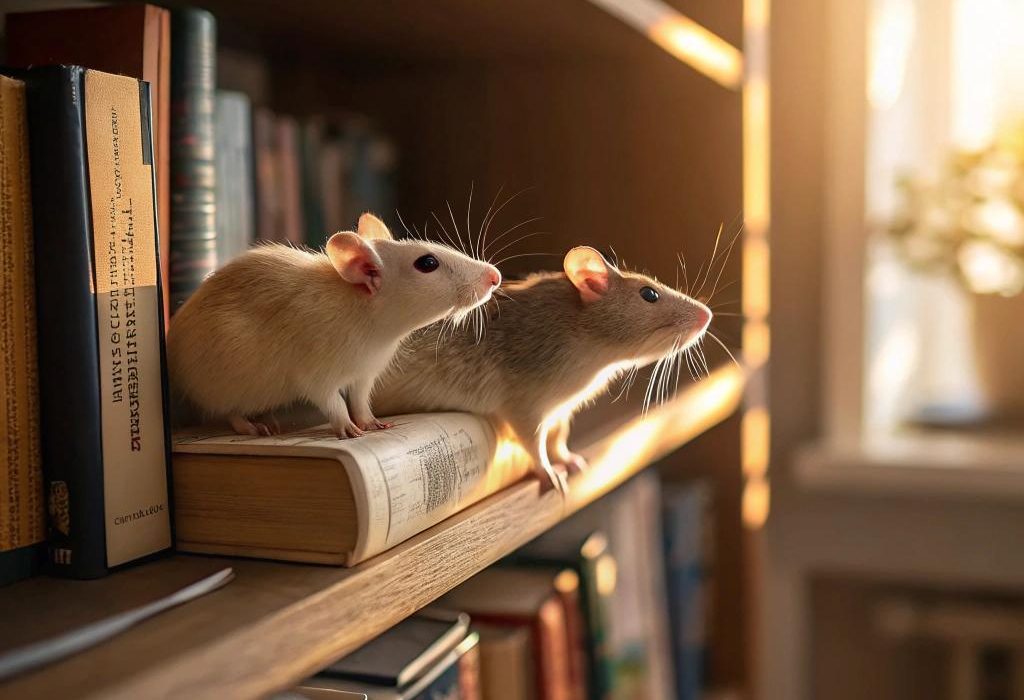
10 Essential Tips for Caring for Your Pet Mice
10 Essential Tips for caring for Your Pet Mice: A Comprehensive Guide for Happy, Healthy Rodents
When it comes to tiny companions, few creatures can match the charm and personality of pet mice. Thes delightful little beings are not only adorable but also surprisingly interactive and social, making them marvelous pets for animal lovers of all ages. Though, like any pet, they require proper care to thrive.Weather you’re a seasoned mouse parent or considering bringing home a pair of these whiskered wonders,our list of 10 essential tips will equip you with the knowledge needed to create a nurturing surroundings for your little friends.
From choosing the right habitat and diet to understanding their social needs and health care, this guide will help you navigate the ins and outs of mouse care. By the end,you’ll not only have a deeper recognition of these enchanting pets but also the tools to ensure they live happy,healthy lives. So, let’s dive in and discover the secrets to providing your pet mice with the best care possible!
table of contents
- 1) Choose the Right Cage: Select a spacious, well-ventilated cage with solid flooring and enough room for your mice to explore and play. Horizontal bars for climbing are a plus!
- 2) create a Cozy Environment: Line the bottom of the cage with safe bedding material, such as aspen shavings or paper-based products, and provide nesting materials like shredded paper or hay for comfort.
- 3) Ensure a Balanced Diet: Feed your pet mice a mix of high-quality commercial mouse pellets, fresh fruits, and vegetables, along with occasional treats like seeds or mealworms for variety.
- 4) Keep it Clean: Regularly clean your mice’s habitat by spot-cleaning soiled bedding daily and doing a full cage clean weekly to maintain a healthy living environment.
- 5) Offer Enrichment: Provide toys, tunnels, and climbing structures to engage your mice mentally and physically. This helps prevent boredom and encourages natural behaviors.
- 6) Socialize Your Mice: Mice are social creatures, so consider keeping them in pairs or small groups. spend time each day interacting with them to strengthen your bond.
- 7) Monitor Health closely: Watch for signs of illness, such as changes in appetite, weight loss, or abnormal behaviors. Consult a veterinarian experienced with small animals if you have concerns.
- 8) Respect Their Sleep Schedule: Mice are nocturnal, so avoid disturbing them during the day.Rather, interact with your pets during the evening when they are most active and playful.
- 9) Provide Fresh Water: Ensure that your mice have constant access to clean, fresh water. Use a water bottle with a sipper tube to prevent spills and contamination.
- 10) Handle with care: when holding your mice,support their bodies gently and let them climb onto your hand. This will make them feel secure and less stressed during handling.
- Q&A
- To Conclude
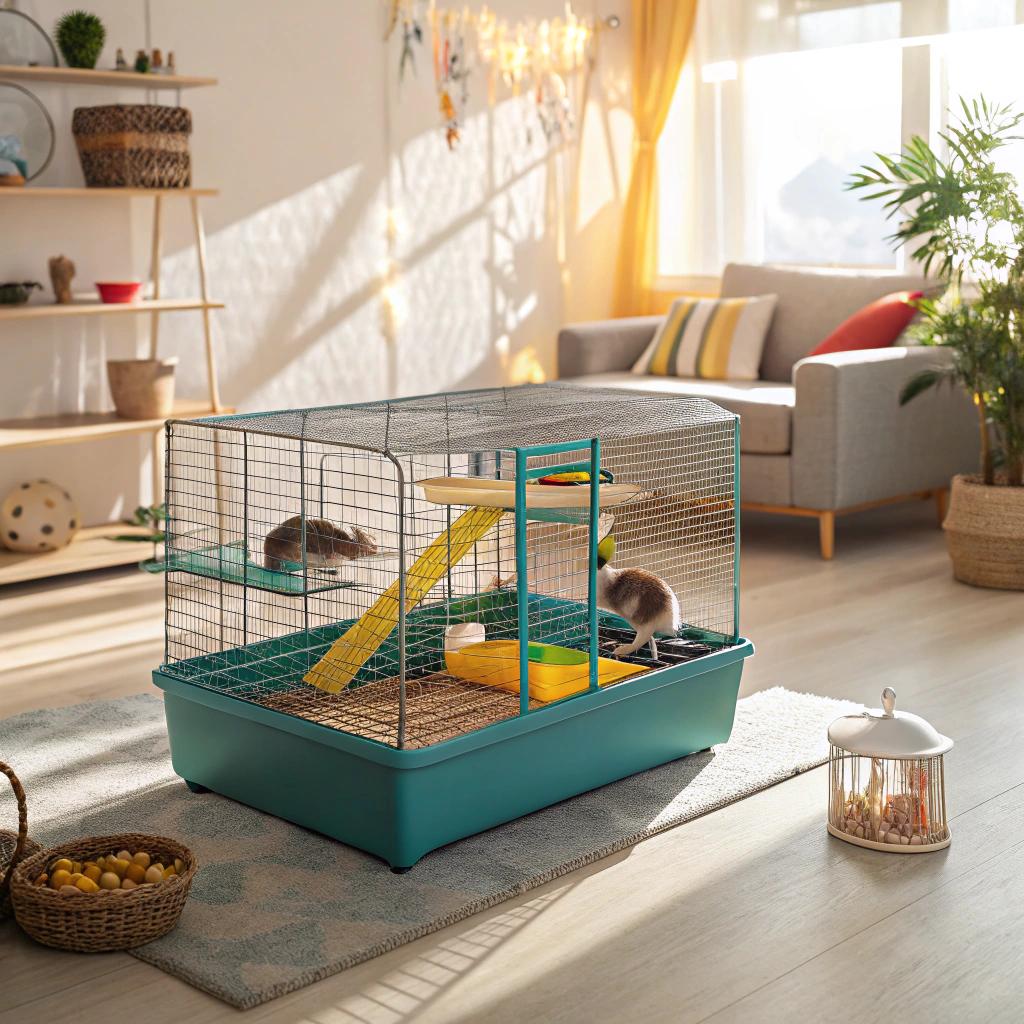
1) Choose the Right Cage: Select a spacious, well-ventilated cage with solid flooring and enough room for your mice to explore and play. Horizontal bars for climbing are a plus!
Choosing the perfect home for your pet mice is crucial for their well-being and happiness. A spacious cage allows your furry friends to thrive and engage in natural behaviors. Look for cages that are at least 24 inches long and 12 inches wide, offering ample space for multiple mice to frolic. Incorporating solid flooring is essential, as it provides a comfortable surface for their little feet while making cleanup a breeze.make sure the cage is well-ventilated to maintain fresh air circulation, promoting a healthy environment free from odors and moisture buildup.
Additionally, consider cages with horizontal bars or shelves that encourage climbing and exploration. Mice are naturally curious and active creatures, so their home should reflect that adventurous spirit. You can enhance their habitat by adding tunnels, toys, and hiding spots to keep their minds engaged. A layout that promotes both physical activity and mental stimulation will contribute to happy, healthy mice. Remember, the more they can explore their environment, the more content they will be!
2) Create a Cozy Environment: Line the bottom of the cage with safe bedding material, such as aspen shavings or paper-based products, and provide nesting materials like shredded paper or hay for comfort
Creating a warm and inviting home for your pet mice is essential for their well-being. Start by lining the bottom of their cage with safe bedding materials that not only absorb moisture but also provide a comfortable surface for them to scurry around. Aspen shavings are a fantastic choice, as they are free from harmful oils that can irritate your mice’s respiratory system. Alternatively, you can opt for paper-based products, which are soft and absorbent, minimizing odors while ensuring your furry friends stay cozy. Remember to avoid cedar shavings, as they can be harmful to your pets.
to enhance their environment, consider adding nesting materials that allow your mice to express their natural behaviors. providing shredded paper or hay gives them the chance to burrow, hide, and create nests, which are essential for their mental stimulation. You can also include small boxes, tissue paper, or dried leaves as additional nesting options. Make sure to regularly check and refresh these materials to maintain cleanliness and prevent mold growth, ensuring your little companions have a safe and snug space to relax and play.
3) Ensure a Balanced Diet: Feed your pet mice a mix of high-quality commercial mouse pellets,fresh fruits,and vegetables,along with occasional treats like seeds or mealworms for variety
To keep your pet mice healthy and thriving,it’s essential to provide them with a nutritious diet that goes beyond mere pellets. Start with high-quality commercial mouse pellets, which are specially formulated to meet the dietary needs of your furry friends. These pellets provide a balanced mix of proteins, carbohydrates, vitamins, and minerals essential for growth and vitality. But don’t let their meals be monotonous—mix in fresh fruits and vegetables to add color,flavor,and vital nutrients to their diet. choices like slices of apple, fresh kale, and small pieces of carrot are excellent options that will spark their interest and keep them engaged during mealtime.
Variety is the spice of life, and it holds true for your pets as well! Alongside their staple diet, you can offer occasional treats to keep their taste buds excited and motivated. Good choices include small seeds,which can serve as a fun challenge for your mice to forage,or mealworms,which provide a protein boost that can promote healthy growth and activity. Remember, treats should make up no more than 10% of their overall diet, ensuring that your mice remain healthy while still enjoying a little indulgence. Regularly rotate the treats to make mealtime more interesting and ensure they receive a well-rounded range of nutrients. By providing a balanced and varied diet, you’ll be setting the stage for happy, active mice!
4) keep it Clean: Regularly clean your mice’s habitat by spot-cleaning soiled bedding daily and doing a full cage clean weekly to maintain a healthy living environment
To ensure your pet mice live in a comfortable and hygienic environment, it’s crucial to incorporate a consistent cleaning routine.Spot-cleaning soiled bedding daily is a rapid yet effective way to remove waste and reduce unpleasant odors. look for wet spots, scattered food, and any trace of nesting materials that might need refreshing. This daily habit not only fosters a healthier atmosphere but also allows you to observe your mice’s behavior more closely,catching any potential health issues early on.
In addition to daily maintenance, schedule a full cage clean each week to thoroughly refresh their living space. During this extensive cleaning, you’ll want to take out all bedding, toys, and accessories, and scrub the cage with soap and water. Rinse everything well to ensure there are no residues left behind that could harm your little friends. Refill their food and water and replace the bedding with fresh materials to provide a cozy environment. here’s a simple table to help you organize your weekly cleaning tasks:
| Cleaning Task | Frequency |
|---|---|
| Spot-clean soiled bedding | Daily |
| Full cage clean | Weekly |
| Replace food and water | Every other day |
| Inspect for wear/damage | Weekly |
5) Offer Enrichment: provide toys, tunnels, and climbing structures to engage your mice mentally and physically. This helps prevent boredom and encourages natural behaviors
Providing your pet mice with a stimulating environment is essential for their mental and physical well-being. By incorporating an array of toys, tunnels, and climbing structures, you not only keep them entertained but also encourage them to exhibit their natural behaviors. Mice are curious creatures that thrive in environments where they can explore and play, so having a variety of enrichment options is crucial. Consider adding the following:
- Chew toys: Provides dental stimulation and keeps their teeth healthy.
- Exercise wheels: Offers a perfect outlet for their boundless energy.
- Tunnels: Provides hiding spots and encourages natural burrowing instincts.
- Climbing structures: Allows them to climb and explore vertically, simulating their natural habitat.
In addition to toys, creating an interesting habitat featuring different levels, platforms, and cozy hiding spots can make your pets feel safe and secure. Mice are social animals, and a well-designed environment can even boost their mood and minimize stress levels. To help you strategize, here’s a simple table that outlines some engaging enrichment ideas and their benefits:
| Enrichment Item | Benefits |
|---|---|
| Wood Chew Blocks | Dental health |
| Cardboard Tubes | Hiding and crawling stimulation |
| Multi-Level cages | Encourages climbing and exploration |
| Interactive Toys | Mental stimulation |
6) Socialize Your Mice: Mice are social creatures, so consider keeping them in pairs or small groups. Spend time each day interacting with them to strengthen your bond
Mice are highly sociable animals that thrive in the company of their own kind. Keeping them in pairs or small groups not only satisfies their social needs but also encourages natural behaviors that are vital for their well-being. When considering a housing arrangement, think about introducing siblings or same-sex pairs to avoid any unnecessary territorial disputes. Regularly observe their interactions; playful wrestling and grooming are good signs that they feel comfortable with each other. However, always have a backup plan to house a single mouse, just in case any pairings don’t go as smoothly as hoped.
Your daily interaction with the mice plays a crucial role in building trust and strengthening your bond. Spend time in their environment,allowing them to become accustomed to your presence. Here are some engaging ways to interact:
- Hand-feeding: Offer treats from your hand to foster trust.
- Gentle petting: Get them used to your touch gradually.
- Interactive toys: Introduce toys that require teamwork to stimulate their problem-solving skills.
By nurturing these social interactions, not only do you enhance their happiness, but you also create a more dynamic and engaging living environment for your little friends. Your involvement will make them feel secure and cherished, which is essential for their overall health.
7) Monitor Health Closely: Watch for signs of illness, such as changes in appetite, weight loss, or abnormal behaviors. Consult a veterinarian experienced with small animals if you have concerns
Monitoring your pet mice’s health is crucial for ensuring their well-being. Small animals can be adept at hiding discomfort or illness, so it’s essential to be vigilant. Observe your mice closely for any signs of distress, such as:
- Changes in appetite: A sudden loss of interest in food can indicate health issues.
- Weight loss: Regular weighing can help you catch significant weight drops early.
- Abnormal behaviors: Look for lethargy, aggression, or hiding more than usual.
Establish a routine for health checks to catch any problems early. If you notice any concerning symptoms, don’t hesitate to consult a veterinarian with experience in small animals. A learned vet can help diagnose issues early and provide treatment options tailored to the unique needs of your mice. Below is a simple details table for reference on signs to monitor:
| Sign | What It Might Indicate |
|---|---|
| Loss of appetite | Possible illness or stress |
| Weight loss | Underlying health issues |
| Increased aggression | Feeling unwell or territorial |
| Excessive hiding | Fear, stress, or health problems |
8) Respect Their Sleep Schedule: Mice are nocturnal, so avoid disturbing them during the day. Instead, interact with your pets during the evening when they are most active and playful
Understanding the natural behavior of your pet mice is vital for nurturing a healthy and happy environment for them. These little creatures are nocturnal, which means they are most active during the night. As a responsible pet owner, it is indeed crucial to respect their natural sleep cycle. During the day,while they are resting and recharging,keep interactions minimal to ensure they feel secure and undisturbed. If you disturb their slumber, they may become stressed and less sociable.
To foster a strong bond with your furry friends, consider setting aside specific times in the evening for play and interaction. This is when they’ll be most lively and eager to explore. You can create a stimulating environment for them by offering new toys or tunnels during these evening hours, making it an enriching experience for both you and your mice. You’ll find they are far more responsive and playful when you align your activities with their natural habits:
- Observe your mice’s activity patterns
- Engage them with safe toys in the evening
- Create a routine that suits their sleep schedule
- Limit noise and disturbances during the day
9) Provide Fresh Water: Ensure that your mice have constant access to clean, fresh water. Use a water bottle with a sipper tube to prevent spills and contamination
Keeping your adorable little companions hydrated is crucial for their health and overall well-being. Mice are vulnerable to dehydration, which can lead to a host of serious health issues. To ensure that they drink enough, it’s essential to provide a reliable source of clean, fresh water at all times. Using a water bottle with a sipper tube not only makes it easier for your mice to access water whenever they need it, but it also helps to maintain a clean habitat by preventing spills and reducing contamination risks. This simple adjustment in their environment can go a long way in promoting better health.
When selecting a water bottle, consider the following features to optimize the experience for your furry friends:
- Material: Choose a durable, non-toxic plastic or glass option to ensure safety.
- Size: Opt for a bottle that holds an adequate amount of water, reducing the frequency of refills.
- Ease of Cleaning: Select a design that allows easy disassembly for thorough cleaning to prevent algae buildup.
Make it a habit to check the water levels daily, and replace the water at least once every 24 hours. This will help keep your mice hydrated, active, and vibrant. Additionally, always keep an eye out for any leaks that might form around the sipper tube, and address them instantly to maintain a clean living environment.
10) Handle with Care: When holding your mice, support their bodies gently and let them climb onto your hand. This will make them feel secure and less stressed during handling
When it comes to handling your pet mice, the way you approach them can greatly affect their comfort and trust levels. Always remember to support their bodies gently as you scoop them up. This may involve cupping your hand around them or providing a small platform with your palm. Mice are naturally curious creatures, and allowing them to climb onto your hand on their own encourages them to explore their environment and develop a sense of agency, making them feel more secure in your presence. this gentle technique not only minimizes stress during handling but also promotes a deeper bond between you and your furry friends.
Moreover, it’s beneficial to create a calm atmosphere when interacting with your mice. Here are a few tips to enhance their experience:
- Stay low: Kneel down or sit on the floor to prevent startling them with sudden movements.
- Talk softly: Use a gentle voice to reassure your pets as you approach them.
- Avoid quick movements: Sudden actions can trigger their instincts to flee, so maintain a slow, steady demeanor.
By applying these methods, you open the door to a trusting relationship where handling becomes a positive experience rather than a stressful one. Regular,gentle interactions not only help your mice feel secure but also assist in keeping them happy and healthy.
Q&A
10 Essential Tips for Caring for Your Pet Mice
Q1: What kind of habitat do mice need?
A proper habitat is crucial for your pet mice’s health and happiness. Here are the key elements:
- Cage Size: Choose a spacious cage that offers at least 2 cubic feet of space for a pair of mice.
- Material: Opt for a glass or wire cage to ensure adequate ventilation.
- Accessories: Include tunnels, shelves, and climbing structures to keep them engaged.
- Bedding: Use aspen shavings or paper-based bedding to provide comfort and absorb moisture.
Q2: How often should I clean the cage?
Regular cleaning is vital to prevent odors and illness. Here’s a suggested routine:
- Spot clean: remove soiled bedding and food daily.
- Full clean: Change all bedding and sanitize the cage once a week using pet-safe cleaners.
Q3: What should I feed my pet mice?
A balanced diet is important for their well-being. Here’s what to include:
- Commercial Food: Look for high-quality pelleted mouse food as a staple.
- Fresh Produce: Offer small amounts of fruits and vegetables, such as carrots and spinach.
- Protein: Incorporate occasional treats like mealworms or boiled eggs.
Q4: How can I keep my mice entertained?
Mice are bright creatures and need stimulation. Consider these ideas:
- toys: Provide chew toys and balls to encourage play.
- Exercise Wheel: Ensure they have a sturdy wheel for fitness.
- Exploration: Allow supervised time outside the cage in a safe area.
Q5: Do mice require companionship?
Mice are social animals and thrive in pairs or small groups. Here are some key points:
- Same-Sex Pairs: Keep same-sex mice together to prevent breeding.
- Introducing New Mice: introduce new companions gradually to avoid territorial disputes.
Q6: How do I handle my pet mice safely?
Handling your mice correctly is essential for their comfort. Follow these tips:
- Approach Slowly: Let them come to you instead of grabbing them abruptly.
- Support Their Body: cradle them gently in your hands.
- Regular Interaction: Spend time with your mice daily to build trust.
Q7: What health issues should I watch for?
Monitoring your mice’s health is essential for early intervention. Keep an eye out for:
- Respiratory Problems: signs like wheezing or labored breathing.
- Weight Changes: Sudden weight loss or gain can indicate health concerns.
- Skin Issues: Look for signs of itching, lumps, or balding patches.
Q8: How can I ensure my mice have a stress-free environment?
Limiting stress is vital for your mice’s health. Here are some strategies:
- Avoid Loud noises: Keep the cage in a quiet area away from disturbances.
- Stable Temperature: Maintain a comfortable temperature range between 65°F to 75°F.
- Predictable Routine: Establish a consistent feeding and cleaning schedule.
Q9: How do I tell if my mouse is happy?
Happy mice exhibit certain behaviors that indicate well-being. Look for:
- active exploration: They should be curious and enjoy exploring their environment.
- Grooming: Regular grooming habits reflect a content mouse.
- Social Interactions: Engaging play or cuddling between mice shows they are comfortable.
Q10: What are some common myths about pet mice?
Manny misconceptions exist about keeping mice as pets. Here are a few myth-busters:
- Mice are Dirty: With proper care, mice can be clean companions.
- Mice Can’t Be Trained: Mice are intelligent and can learn tricks and commands.
- Mice are Noisy: While they make some sounds, they can be relatively quiet pets.
To Conclude
As we wrap up our exploration of the world of pet mice, we hope these ten essential tips have equipped you with the knowledge to foster a happy, healthy environment for your little companions. Remember, the key to a flourishing life for your mice lies in the small details—proper diet, enriched habitats, and consistent care can make all the difference. With your commitment and love, these tiny creatures can thrive and bring immeasurable joy into your home. So whether you’re a seasoned mouse parent or just starting out, embrace the journey of revelation with your furry friends. After all, in the world of pet care, every bit of attention adds a delightful twist to their lively tales. Happy caring!


22 Comments
Great tips! I’ve learned a lot about creating a better environment for my mice and ensuring they stay healthy and happy.
These tips are so helpful! It’s crucial to understand the specific needs of pet mice to provide them with the best care possible.
I appreciate these insights! It’s amazing how much attention and detail mice require to thrive, and these tips will definitely help all pet owners enhance their care routines.
Thank you for sharing these valuable tips! It’s so important to recognize the unique needs of pet mice, and this guide will surely assist owners in fostering a loving and supportive home for their little companions.
I’m so glad to see this article highlighting the importance of proper care for pet mice. Understanding their needs can make a huge difference in their quality of life, and I’m sure these tips will be a big help for both new and experienced owners.
This article really emphasizes the nuances of mouse care that many people overlook. Proper attention to their environment and social needs can truly enhance their lifespan and happiness.
These guidelines are incredibly useful! Proper care can lead to happier and healthier mice, and I hope more people take the time to understand what these little creatures truly need.
These tips are a fantastic resource for anyone looking to provide the best care for their pet mice. It’s essential to keep in mind their specific needs, and this guide does a great job of outlining how to create a nurturing environment for them.
This article is a great reminder of how much joy and companionship pet mice can bring, and following these essential tips will undoubtedly ensure they thrive in a loving environment.
These tips provide invaluable insight into mouse care, and I appreciate how they highlight not just the basics but also the little details that can improve their well-being and happiness.
I found these tips to be a comprehensive guide for both new and experienced mouse owners; it’s crucial to remember that understanding their behavior and social dynamics can significantly impact their quality of life.
This post is an excellent reminder of the importance of proper pet care, especially for mice, as they require specific attention to thrive; I’m glad to see such comprehensive advice that emphasizes their unique needs and well-being.
These essential tips truly underscore the importance of understanding the needs of pet mice; they may be small, but ensuring their health and happiness requires thoughtful care and attention, making this guide a must-read for every mouse owner.
These tips serve as a fantastic resource for anyone interested in providing the best care for their mice, as they emphasize the importance of creating a suitable environment and addressing their unique needs for a fulfilling life.
This guide perfectly captures the essential elements of mouse care, making it a vital read for anyone looking to give their pet mice the best possible life; understanding their needs and behaviors really enhances their happiness and health.
This article provides invaluable insights into the care of pet mice, highlighting the significance of attention to their social needs and proper habitat; it’s essential for fostering a happy and healthy environment for these small but remarkable creatures.
This article is a fantastic resource for new and experienced mouse owners alike, offering practical and essential advice that not only enhances their care but also fosters a deeper bond between pets and their humans; it’s crucial to keep these little companions happy and healthy.
This article is a comprehensive guide that emphasizes the importance of understanding pet mice’s needs, ensuring owners can create an enriching environment that promotes their well-being; it’s a must-read for anyone looking to enhance their mice’s quality of life.
This article wonderfully outlines the critical aspects of pet mouse care, offering practical advice that not only helps in maintaining their health but also enriches their living experience; every mouse owner should take these tips to heart for the well-being of their furry friends.
This article serves as an excellent primer for anyone interested in pet mice, detailing important aspects such as diet, social interaction, and habitat setup; following these guidelines can truly make a difference in the lives of these small animals, ensuring they thrive in a loving environment.
This article effectively highlights key considerations for pet mouse care, providing valuable insights into their diet, social requirements, and appropriate living conditions; implementing these tips can greatly enhance the overall well-being and happiness of these delightful pets.
This article presents a thorough overview of essential care tips for pet mice, including important details about their social habits, diet, and housing, making it an invaluable resource for both novice and seasoned owners aiming to provide the best possible care for their tiny companions.