

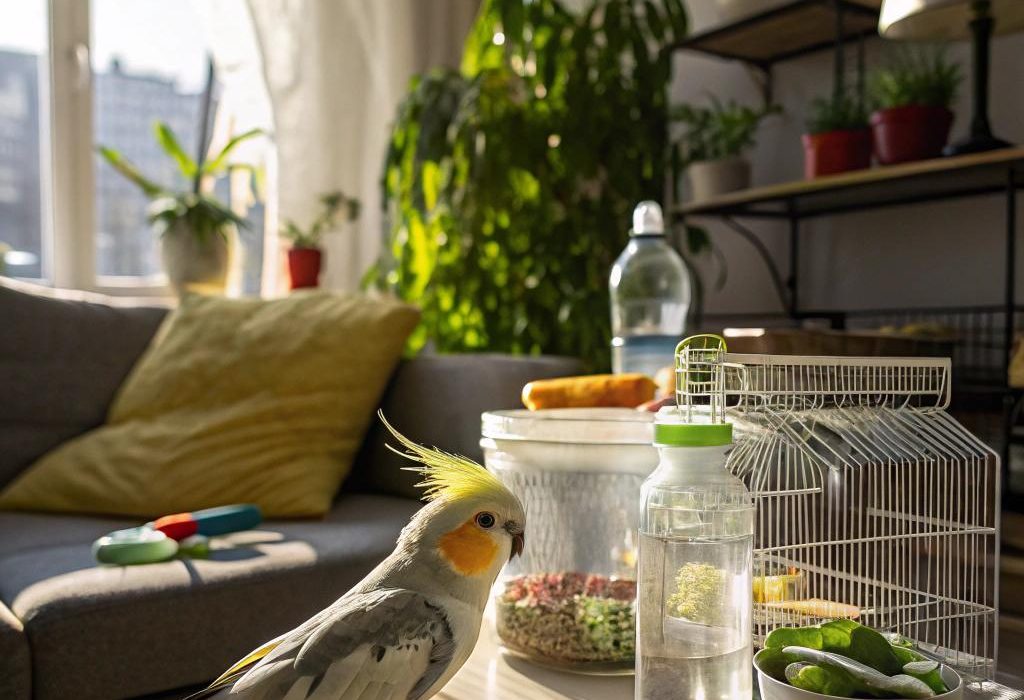
10 Essential Tips for Caring for Your Cockatiel Like a Pro
Welcome to the colorful world of cockatiels! These charming feathered companions are known for their playful personalities and endearing quirks, making them a beloved choice for bird enthusiasts and pet owners alike. Though, caring for a cockatiel involves more than just providing food and water; it requires a dedicated approach to ensure your avian friend thrives in its environment. In this listicle, we present “10 Essential Tips for Caring for Your Cockatiel Like a Pro.” Each tip is designed to help you enhance your cockatiel’s well-being, from creating an enriching habitat to fostering a strong bond through socialization and training.whether you’re a seasoned bird owner or a beginner, you’ll find practical advice and insights that will transform your relationship with your feathery companion. So,get ready to elevate your cockatiel care game and ensure your pet enjoys a happy and healthy life!
Table of Contents
- 1) Understand Their Social Needs: Cockatiels are social creatures that thrive on interaction. Ensure you spend quality time daily with your bird to foster a strong bond and keep them mentally stimulated.
- 2) Provide a Spacious Cage: Choose a cage that allows your cockatiel to stretch its wings and move around comfortably. A larger cage also encourages physical activity which is vital for their health.
- 3) offer a Balanced Diet: A varied diet of high-quality pellets, fresh fruits, and vegetables is essential. Avoid common toxic foods like avocado and chocolate to keep your feathered friend safe.
- 4) Regular bathing: Cockatiels love water! Provide them with a shallow dish or a gentle spray of water a couple of times a week to help maintain their feather health and give them a chance to enjoy a good splash.
- 5) Keep Their Environment Engaging: Rotate toys and introduce new items to their cage regularly. This helps prevent boredom and stimulates natural behaviors, keeping your cockatiel happy and active.
- 6) Understand Their Vocalizations: Cockatiels are known for their whistles and chirps.Pay attention to their sounds, as each noise can signal different feelings-whether they’re happy, scared, or want attention.
- 7) Ensure Regular Veterinary Check-ups: Schedule annual vet visits to monitor your cockatiel’s health. Routine check-ups can definitely help catch any potential issues early and keep your pet in top shape.
- 8) Provide Proper Lighting: Cockatiels need both natural sunlight and UV light for their health. Position their cage near a window,but be cautious of direct sunlight,and consider specialized bird lamps if needed.
- 9) Socialize with Other Birds: If possible, introduce your cockatiel to other birds under supervised conditions. Social interactions can enrich their lives,satisfy their instinctual behaviors,and prevent loneliness.
- 10) Establish a Routine: Cockatiels are creatures of habit. Configuring a daily routine for feeding, playtime, and rest helps them feel secure and promotes healthy behaviors.
- Q&A
- In Retrospect
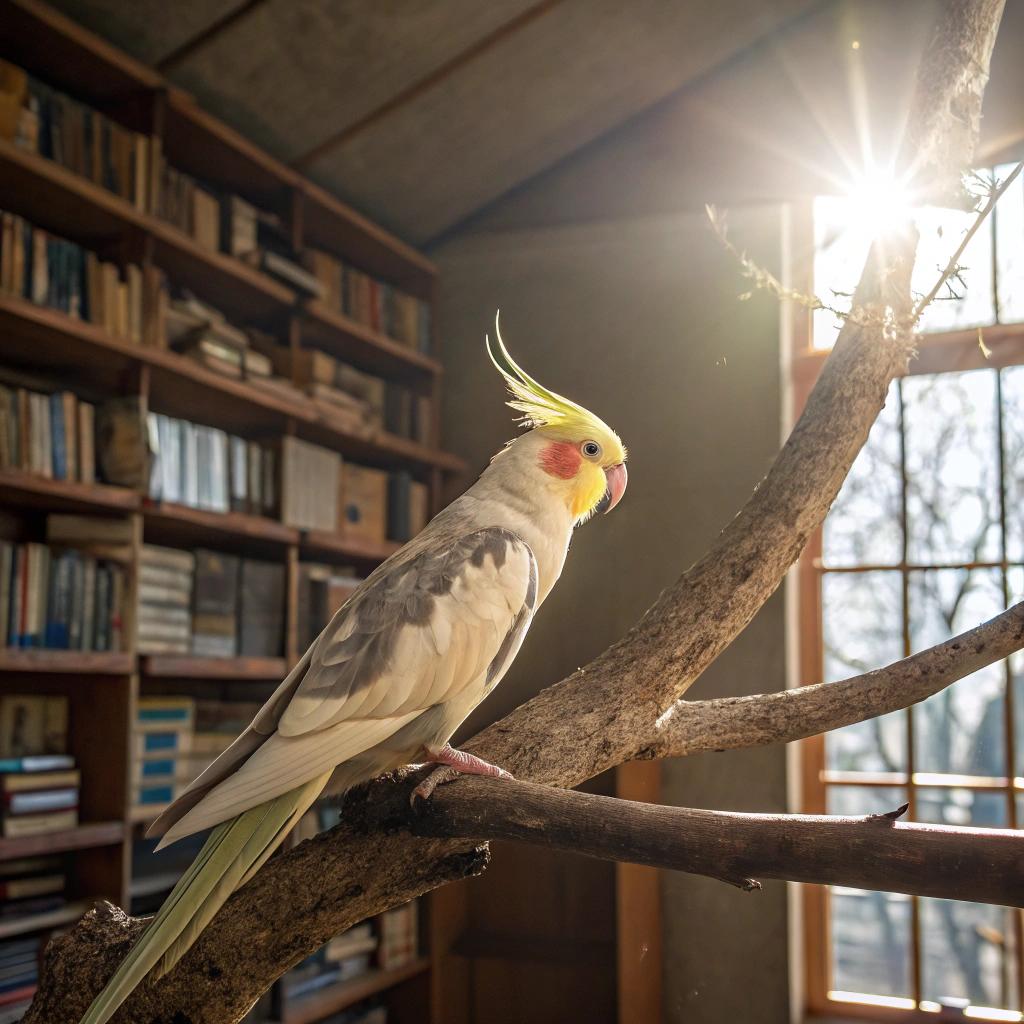
1) Understand Their Social Needs: Cockatiels are social creatures that thrive on interaction. Ensure you spend quality time daily with your bird to foster a strong bond and keep them mentally stimulated
To truly connect with your cockatiel, it’s essential to recognize their innate need for social interaction. These charming birds are known for their affectionate nature and require consistent engagement to thrive. Make it a daily ritual to spend quality time with your feathered friend-whether it’s through gentle conversations, playful games, or just simply sitting near them to provide company. This interaction not only strengthens your bond but also keeps their curious minds engaged and stimulated.
Additionally, consider incorporating varied activities into your routine to keep things exciting. Cockatiels love to explore, and offering them a range of toys can ignite their playful spirit. Here are some fun ideas to enhance your quality time together:
- Try teaching them simple tricks or phrases.
- Rotate their toys regularly to keep their environment fresh.
- Set up designated playtime out of the cage, allowing for exploration and exercise.
- engage them in interactive games, like hide and seek with their favorite treats.
By understanding and catering to their social needs, you’ll ensure your cockatiel not only feels loved but also enjoys a fulfilling, enriched life. Remember, a happy bird is a healthy bird!
2) Provide a Spacious Cage: Choose a cage that allows your cockatiel to stretch its wings and move around comfortably. A larger cage also encourages physical activity which is vital for their health
When selecting a cage for your cockatiel, think of it as your feathered friend’s personal playground. A spacious cage not only allows your bird the freedom to stretch its wings but also encourages them to explore their environment. Ideally, the minimum recommended size for a cockatiel’s cage is 24 inches wide, 24 inches deep, and 36 inches tall, providing ample room for vertical and horizontal movement. Make sure the spacing between bars is no more than ½ inch, so your curious pet doesn’t escape or get stuck.
Enhance your cockatiel’s living experiance by equipping the cage with various perches,toys,and accessories. Consider the following essentials:
- Natural Wood Perches: Varying diameters to promote foot health.
- Toys: Choose a mix of shreddable, swingable, and foraging options to keep them stimulated.
- Food and Water Dishes: Opt for sturdy,easy-to-clean bowls that are accessible from various perches.
A well-thought-out cage design not only makes your cockatiel feel safe and comfortable but also promotes mental and physical well-being, allowing them to flourish in their home environment.
3) Offer a Balanced Diet: A varied diet of high-quality pellets, fresh fruits, and vegetables is essential. Avoid common toxic foods like avocado and chocolate to keep your feathered friend safe
Providing your cockatiel with a balanced diet is crucial for its overall health and well-being. A combination of high-quality pellets,fresh fruits,and vegetables should form the foundation of their meals. The right balance not only supports their physical health but also ensures vibrant plumage and energetic behavior. Here are some great options to include in their diet:
- High-Quality Pellets: A staple that offers essential nutrients.
- Fresh Fruits: Treat them with small pieces of apples, bananas, and berries.
- Vegetables: Leafy greens like kale and spinach are fantastic choices.
While it’s crucial to incorporate a variety of foods, be mindful of what you should never feed your feathered friend. Certain items can be toxic and pose serious health risks. Below is a quick list of foods to avoid:
| Food | Reason to Avoid |
|---|---|
| Avocado | Contains persin, toxic to birds. |
| Chocolate | Can result in severe health issues. |
| caffeine | Stimulant that can be fatal to birds. |
4) Regular Bathing: Cockatiels love water! provide them with a shallow dish or a gentle spray of water a couple of times a week to help maintain their feather health and give them a chance to enjoy a good splash
Cockatiels are known for their playful and vibrant personalities, and what better way to let them express this than through water play? Regular bathing not only keeps their feathers in top condition but also provides a delightful sensory experience for your feathered friend. Consider offering a shallow dish filled with fresh, clean water where they can splash around to their heart’s content. Alternatively, you can use a gentle spray bottle set to mist mode to offer them a refreshing shower. The gentle mist not only cleans the feathers but also replicates the feeling of a natural rain shower, making it a fun activity for your pet.
To keep your cockatiel’s bathing routine enjoyable and effective, remember these essential tips:
- Frequency: Aim for bathing sessions a couple of times each week, adjusting based on your cockatiel’s personal preference. Some may love it daily, while others may prefer less frequent baths.
- Temperature: Ensure the water is at room temperature to avoid shocking your bird. cold water can be uncomfortable, while water that is too warm may led to overheating.
- supervision: Always supervise your cockatiel during bath time to prevent any accidents. Make sure the area is safe and free of hazards.
- Drying: After a bath,your cockatiel may need a little help drying off. Avoid drafts and provide a warm location for them to fluff their feathers and dry naturally.
5) Keep Their Environment engaging: Rotate toys and introduce new items to their cage regularly. This helps prevent boredom and stimulates natural behaviors, keeping your cockatiel happy and active
keeping your cockatiel’s environment fresh and exciting is key to their mental well-being. Consider regularly rotating their toys, introducing new textures, colors, and types to spark their curiosity. Chew toys, foraging puzzles, and climbing structures can all provide different stimulation for your feathered friend. You can also mix up their play area by moving toys around or changing the layout of their cage.this not only makes their space feel new but also encourages exploration and play, which are essential for their natural instincts.
Don’t forget about the importance of incorporating natural elements into their environment. Fresh branches, untreated wood perches, and even bird-safe plants can add variety and engage your cockatiel’s senses.Create a schedule to swap out items regularly-keeping a calendar can help you remember when to make changes. Here’s a simple rotation plan to maintain an engaging atmosphere:
| Week | focus Item | activity |
|---|---|---|
| 1 | Chew Toys | Add new textures |
| 2 | Foraging Toys | Introduce hidden treats |
| 3 | Climbing Structures | Change layout |
| 4 | Natural Branches | Add seasonal items |
6) Understand Their Vocalizations: Cockatiels are known for their whistles and chirps. Pay attention to their sounds, as each noise can signal different feelings-whether they’re happy, scared, or want attention
Cockatiels are incredibly expressive creatures, and their vocalizations play a vital role in their communication. Each sound holds meaningful meaning, allowing you to gauge their mood and needs. For example, a cheerful whistle often indicates a happy and content cockatiel, while rapid chirping may signal excitement or playful energy. On the other hand, squawking or short, sharp noises can express fear or discomfort. By becoming attuned to these vocal patterns, you foster a deeper bond and can respond more effectively to your feathered friend’s emotional state.
To better understand your cockatiel’s sounds, take notes on the context in which different vocalizations occur. Keeping a sound diary can help you identify patterns over time. Here’s a quick guide to common vocalizations and what they may mean:
| Sound | Meaning |
|---|---|
| Whistles | Happy and content |
| Chirps | Excitement or eagerness |
| Squawking | Fear or discomfort |
| Soft cooing | Affection or relaxation |
by actively listening and responding to their vocal cues, you will not only understand them better but also enhance their emotional well-being. This attentiveness will make your interactions more meaningful and enjoyable for both you and your cockatiel.
7) Ensure Regular Veterinary Check-ups: Schedule annual vet visits to monitor your cockatiel’s health. Routine check-ups can help catch any potential issues early and keep your pet in top shape
Scheduling regular veterinary check-ups for your cockatiel is a crucial part of ensuring their well-being. Just like humans, birds can face a multitude of health issues that may go unnoticed until they become serious.An annual vet visit helps to establish a health baseline for your feathered friend, allowing the vet to identify any changes or signs of illness early on. This proactive approach can often lead to a longer, healthier life for your cockatiel, as common conditions such as respiratory infections or dietary imbalances can be swiftly addressed.
During these check-ups, your veterinarian will typically conduct a thorough examination that includes:
- Weight assessment: monitoring weight is crucial, as both obesity and weight loss can be indicators of underlying health problems.
- Feather quality inspection: Healthy feathers are a sign of good health and proper nutrition.
- Beak and claw inspection: Ensuring these are in good condition can help prevent pain or injury.
- Nutritional advice: Your vet can provide tailored dietary recommendations based on your cockatiel’s needs.
| Veterinary Exam Focus | Importance |
|---|---|
| Weight | Identifies obesity or malnutrition |
| Feathers | Indicates overall health |
| Beak/Claws | Prevents injury |
| Diet | Customized nutrition advice |
8) Provide Proper Lighting: Cockatiels need both natural sunlight and UV light for their health. Position their cage near a window, but be cautious of direct sunlight, and consider specialized bird lamps if needed
To keep your cockatiel happy and healthy, ensuring they receive the right amount of light is crucial. Natural sunlight is not just a luxury; it’s a necessity for your feathered friend. positioning their cage near a window allows them to bask in the gentle light while observing the outside world. However, be cautious about placing the cage in direct sunlight, as this can lead to overheating and stress. Using sheer curtains or placing the cage at an angle can help filter the sunlight, creating a comfortable environment for your pet.
In addition to natural light, providing your cockatiel with UV light is essential for their overall well-being. UV light aids in the synthesis of Vitamin D, which is vital for calcium absorption and preventing bone disease. If natural sunlight exposure is limited due to time of year or indoor conditions, consider investing in specialized bird lamps. These lamps are designed to mimic natural sunlight, ensuring that your cockatiel receives the necessary UV rays without risking overheating. To make an informed decision about lighting, refer to the following table:
| Lighting Option | Benefits | Best Use |
|---|---|---|
| Natural Sunlight | Enhances mood & activity | Daytime exposure |
| Indirect Light | comfortable environment | Avoid overheating |
| UV Bird Lamps | Simulates natural sunlight | supplement for indoor care |
9) Socialize with Other Birds: If possible, introduce your cockatiel to other birds under supervised conditions. Social interactions can enrich their lives, satisfy their instinctual behaviors, and prevent loneliness
integrating your cockatiel with fellow feathered friends can open a whole new world of excitement and enrichment for your pet. Birds are naturally social creatures, and the presence of other birds can stimulate their innate instincts.Though, it’s crucial to approach this with caution. Before introducing your cockatiel to another bird, make sure to supervise all interactions.This ensures the safety and comfort of both birds and allows you to monitor their behavior closely. Additionally, start with short interactions in a controlled environment to help them acclimate to each other gradually.
To facilitate this enriching experience, consider the following tips:
- Choose compatible species: Opt for birds with similar temperaments and sizes to prevent any potential aggression or stress.
- Provide safe spaces: Set up separate cages or areas where they can see and hear each other without direct contact initially.
- Encourage positive reinforcement: Reward both birds with treats and praise when they exhibit calm and friendly behavior toward each other.
- Observe closely: Always watch for signs of discomfort or aggression, and be ready to intervene if the interaction becomes too intense.
10) Establish a Routine: Cockatiels are creatures of habit. Configuring a daily routine for feeding, playtime, and rest helps them feel secure and promotes healthy behaviors
Cockatiels thrive on routine, much like a well-tuned orchestra. Establishing a consistent schedule for feeding, playtime, and rest can create a sense of stability that fosters trust. Setting specific times for meals helps your feathered friend anticipate when they’ll be fed, reducing anxiety and preventing unwanted behaviors like excessive begging or aggression. Consider the following aspects of your cockatiel’s daily routine:
- Feeding time: Serve meals at the same time each day to help them anticipate their next meal and maintain healthy eating habits.
- Playtime: Designate playtime sessions where your cockatiel can engage with toys, explore their surroundings, or interact with you.
- Rest Periods: Ensure they have regular downtime to relax, helping them recharge and reducing stress levels.
To further enhance their routine, you might want to implement a structured timeline, which can also aid in observing any shifts in behaviors or habits. Here’s a simple table to illustrate a potential daily schedule:
| Time | Activity |
|---|---|
| 7:00 AM | Morning feeding |
| 8:00 AM | Playtime with toys |
| 12:00 PM | Lunch feeding |
| 2:00 PM | Interactive training session |
| 6:00 PM | Evening feeding |
| 8:00 PM | Wind down and rest |
By implementing a structured approach, you create a comforting environment for your cockatiel, which can lead to happier and healthier life.
Q&A
10 essential Tips for Caring for Your Cockatiel like a Pro
What should I feed my cockatiel for a balanced diet?
providing a balanced diet is crucial for your cockatiel’s health. Here are the key components to include:
- Pellets: A high-quality pelleted food should make up the majority of your bird’s diet.
- Fresh fruits and vegetables: Offer a variety such as carrots, spinach, and apples. Avoid avocado, as it’s toxic to birds.
- Seeds: While they enjoy seeds, these should only be an occasional treat due to high fat content.
- Calcium source: Provide cuttlebone or mineral blocks to support their bone health.
How can I create a stimulating environment for my cockatiel?
Cockatiels are intelligent and active birds that thrive in stimulating environments. To keep them happy:
- Toys: Incorporate chewing, swinging, and puzzle toys that encourage play.
- Perches: Use a variety of perch sizes and textures to promote foot health.
- Social interaction: Spend time interacting with your cockatiel.Talking, whistling, or singing can be very stimulating.
- Flight space: allow for safe out-of-cage time so they can fly and explore their surroundings.
How can I ensure my cockatiel is getting enough exercise?
Exercise is vital for your cockatiel’s physical and mental health. Here’s how to encourage it:
- Out-of-cage time: Allow daily supervised time outside the cage for flight and exploration.
- Interactive play: Engage your cockatiel in games that require movement, like fetch with small toys.
- Climbing opportunities: include climbing structures or ropes in their cage to promote activity.
What are the signs of a healthy cockatiel?
Monitoring your cockatiel’s health is essential. Look for these signs of a healthy bird:
- Shining eyes: Clear, bright eyes without discharge are a good indicator.
- Active behavior: A healthy cockatiel is active, curious, and vocal.
- Feather condition: Smooth, clean feathers that are well groomed indicate good health.
- Healthy droppings: Normal droppings should be firm and well-formed.
How do I build a bond with my cockatiel?
Building a bond with your cockatiel can enhance your relationship. To foster that connection:
- Consistent interaction: Spend time with your cockatiel daily, speaking and playing with them.
- Treat rewards: Use treats to encourage positive behaviors and build trust.
- Gentle handling: Be patient when handling them to prevent stress; let them come to you.
What should I do if my cockatiel is acting unusually?
Behavior changes can indicate health issues or stress. If your cockatiel behaves differently:
- Observe closely: Note any changes in eating, drinking, or activity levels.
- Check for physical signs: Look for signs of illness, such as fluffed feathers or trouble breathing.
- Consult a vet: If concerns persist, seek professional advice from an avian veterinarian.
How often should I change my cockatiel’s water and clean their cage?
Keeping your cockatiel’s habitat clean is vital for their health:
- Water: Change their water daily to ensure freshness, using a clean bowl.
- Cage cleaning: Clean the cage weekly, removing droppings and old food, and sanitize it monthly.
- Toy cleaning: Disinfect toys and perches regularly to prevent bacteria buildup.
What precautions should I take to protect my cockatiel from hazards?
Your cockatiel’s safety is paramount. Keep them protected by:
- Bird-safe environment: Remove harmful household items like toxic plants, and avoid using non-stick cookware.
- Treating windows and mirrors: Use window screens to prevent crashes, and cover mirrors to avoid stress.
- Supervision: Always supervise out-of-cage time to mitigate potential dangers.
How can I recognize and manage hormonal behavior in cockatiels?
During breeding season, cockatiels may exhibit heightened hormonal behavior. To manage this:
- Limit stimuli: Reduce exposure to mirrors and nesting materials that can trigger mating behaviors.
- Comfortable environment: Ensure they have a quiet, stress-free environment during this time.
- Distraction: Offer new toys or activities to redirect their energy and focus away from hormonal urges.
when should I seek veterinary care for my cockatiel?
Regular check-ups are vital for cockatiel health.You should seek veterinary care when:
- Unexplained weight loss: A significant decrease in weight can be a sign of illness.
- Change in vocalization: A sudden change in their song or calls can signal distress or pain.
- Signs of lethargy: If your cockatiel becomes less active or spends more time sitting quietly, it’s time to consult a vet.
In Retrospect
Conclusion: Mastering the Art of Cockatiel Care
Caring for your cockatiel doesn’t have to feel overwhelming. With the ten essential tips outlined in this listicle, you’re now equipped with the knowledge to create a nurturing environment for your feathered friend. Remember, each cockatiel is unique, and building a strong bond with your pet will not only enhance their life but also enrich yours.
As you embark on this journey of avian companionship, embrace the little quirks, the joyful chatter, and the affectionate moments that make cockatiels such delightful pets. Whether you’re a seasoned bird owner or a new enthusiast, approaching each day with patience and love will ensure that your cockatiel thrives. So spread your wings and take flight into the marvelous world of cockatiel care-your bird will thank you for it!



28 Comments
These tips are a great reminder of how to give my cockatiel the best care possible-planning to implement some of these right away!
I love how practical these tips are! It’s so important to ensure our cockatiels are happy and healthy, and this guide makes it easier to provide the best care.
Fantastic insights! It’s always helpful to have a well-rounded approach to cockatiel care, and these tips highlight essential aspects that can truly enhance their well-being.
Great tips! It’s amazing how small changes in care can make such a big difference in our cockatiels’ lives. I’m definitely going to start using some of these recommendations.
These tips are incredibly useful! It’s so important to stay informed about our pets’ needs, and this guide offers great advice for keeping our cockatiels healthy and thriving.
These tips are spot on! It’s refreshing to see practical advice that emphasizes the unique needs of cockatiels; I can’t wait to share this with other bird lovers.
These tips are a fantastic resource for any cockatiel owner! Knowing how to meet their specific needs can really enhance their happiness and health, and I appreciate the thoroughness of this guide.
These tips are invaluable for both new and seasoned cockatiel owners alike! It’s great to have a resource that combines practical advice with important insights into creating a nurturing environment for these wonderful birds.
This guide is a treasure trove of information! It’s crucial to understand the nuances of cockatiel care, and these tips are practical and easy to implement, ensuring our feathered friends lead happy, fulfilling lives.
This article is a must-read for anyone looking to enrich their cockatiel’s life; the detailed tips not only improve their care but also strengthen the bond between owner and bird, making for a happier household.
This is an incredibly helpful article! The focus on both care and bonding is essential for any cockatiel owner, and these actionable tips will surely make a difference in our pets’ lives.
This article is a fantastic resource for cockatiel owners! The tips are practical and easy to follow, making it easier to ensure our feathered companions lead happy and healthy lives while enhancing the bond we share with them.
This article provides outstanding insights into caring for cockatiels, blending essential tips with practical advice that can truly enhance the quality of life for our beloved pets while fostering a deeper connection with them.
This post is an invaluable guide for all cockatiel owners, providing straightforward tips that are easy to incorporate into daily routines, ultimately promoting the well-being and happiness of our birds while also enhancing our relationships with them.
This guide is an exceptional resource for cockatiel enthusiasts, offering not only practical care advice but also strategies for building a meaningful connection with these wonderful birds, ensuring they thrive in our homes.
This post is a must-read for anyone wanting to provide the best care for their cockatiels; the thoughtful tips not only prioritize their health and happiness but also emphasize the importance of building a strong, loving relationship with these delightful companions.
This post is incredibly helpful for both new and experienced cockatiel owners; the tips are comprehensive and user-friendly, making it easier to create a nurturing environment that supports our birds’ well-being and strengthens our bond with them.
This post is a fantastic compilation of tips that every cockatiel owner can benefit from; it not only covers essential care practices but also highlights the importance of nurturing the bond we share with our feathered friends, making it a valuable read for all.
This article is a treasure trove of insights for cockatiel caregivers; the practical tips and advice shared not only facilitate effective care but also encourage fostering a deep, enriching bond with our charming avian companions.
This guide is a fantastic resource for anyone looking to enhance their cockatiel care skills; the tips provided are both insightful and actionable, helping owners create a nurturing environment that promotes the health and happiness of their feathered friends while strengthening their bond.
This article is packed with practical and essential advice for anyone wanting to ensure their cockatiel thrives; each tip is well-researched and easy to implement, making it an invaluable resource for creating a loving and supportive home for these wonderful birds.
This article offers invaluable insights for cockatiel owners, providing straightforward tips that are easy to follow and implement, ensuring that our feathered companions receive the best care possible while fostering a loving relationship.
This article serves as an excellent guide for both new and experienced cockatiel owners; the tips are comprehensive, practical, and promote not just care but also a deeper understanding of our delightful companions, ensuring they lead happy and healthy lives.
This article is an essential read for cockatiel owners; it offers practical advice that can easily be integrated into daily routines, helping us provide better care and build a stronger connection with our beloved birds.
This article is a must-read for all cockatiel enthusiasts; the practical tips offered not only help to improve the quality of care but also foster a deeper connection with these charming birds, ensuring they receive the love and attention they deserve.
This article is an excellent resource for anyone looking to enhance their cockatiel care; the tips provided are both insightful and actionable, making it easier for owners to nurture their birds and cultivate a fulfilling bond with them.
This article is an indispensable tool for anyone dedicated to the well-being of their cockatiels; the concise and practical tips shared not only enhance daily care but also enrich the overall experience of bird ownership, ensuring a happy and engaging environment for these wonderful pets.
This article is a fantastic guide for those looking to elevate their cockatiel care; the actionable tips and expert insights help owners create a nurturing environment that promotes the health and happiness of these intelligent and affectionate birds.