

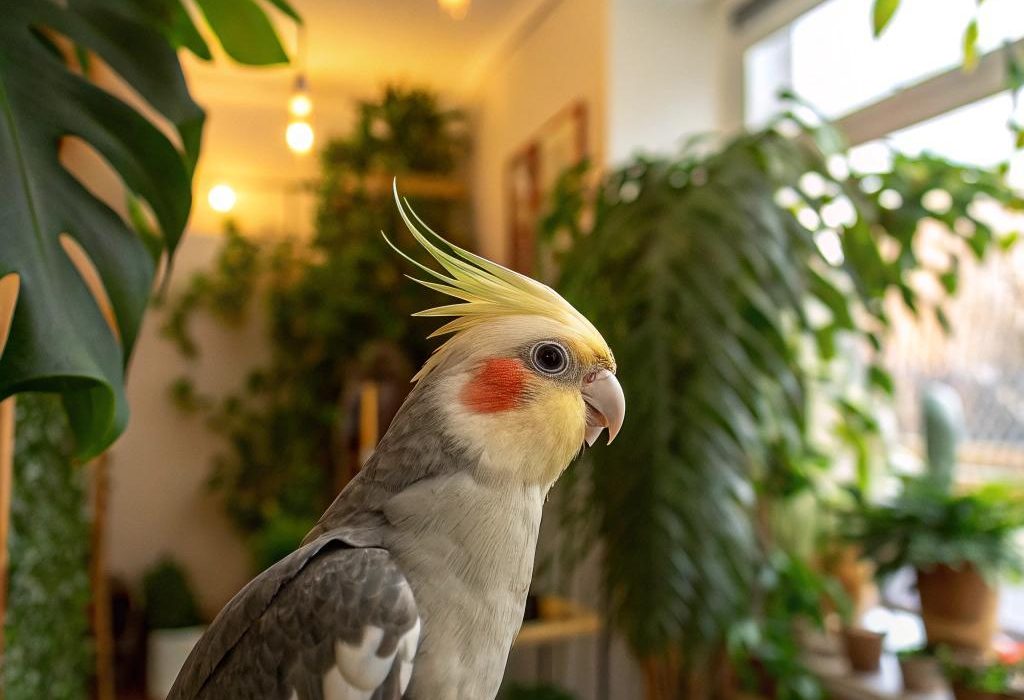
10 Essential Tips for Caring for Your Cockatiel: A Beginner’s Guide
Welcoming a cockatiel into your home is like inviting a bundle of joy and charming melodies into your life. These delightful birds are known for their playful personalities, stunning plumage, and affectionate nature.Though, caring for a cockatiel can be a rewarding yet challenging endeavor, especially for first-time bird owners. Too help you navigate this new journey, we’ve compiled a list of 10 essential tips for caring for your cockatiel. From understanding their dietary needs to creating a stimulating environment,these insights will empower you with the knowlege to keep your feathered friend happy and healthy.Whether you’re preparing for your new pet or looking to refine your care routine, this beginner’s guide is designed to equip you with the tools you need for a harmonious relationship with your cockatiel.let’s dive into these invaluable tips and ensure your journey together is nothing short of extraordinary!
table of Contents
- 1) Understand Their Social Nature: Cockatiels are highly social birds that thrive on interaction. Regularly spend time with your feathered friend to foster a bond and prevent loneliness.
- 2) Create a Spacious, Safe Habitat: Choose a cage that offers ample space for your cockatiel to move around.Ensure it’s stocked with perches, toys, and places to hide, providing a stimulating environment.
- 3) Provide a Balanced Diet: A well-rounded diet is crucial for your cockatiel’s health.Offer a mix of high-quality pellets, fresh fruits, and vegetables to ensure they receive all essential nutrients.
- 4) Maintain a Consistent Routine: Birds appreciate routine, so try to feed and interact with your cockatiel around the same time each day. This consistency can help reduce stress and anxiety.
- 5) Ensure Regular Vet Check-ups: Schedule annual vet visits to monitor your cockatiel’s health. Routine check-ups can catch potential issues early, ensuring a long and healthy life for your pet.
- 6) Encourage Mental Stimulation: Keep your cockatiel engaged with a variety of toys and activities. Rotate toys regularly to keep things fresh and interesting, helping to prevent boredom.
- 7) Allow Time for Out-of-Cage Exploration: When it’s safe, let your cockatiel out of the cage to explore their surroundings. Supervised playtime outside the cage helps strengthen your bond and allows them to stretch their wings.
- 8) Practice Patience with Training: Cockatiels can be trained to perform tricks and respond to commands.Use positive reinforcement and be patient; building trust takes time, but it’s well worth the effort.
- 9) Keep Their Space Clean: A clean cage is vital for your cockatiel’s health. Regularly change the bedding, clean perches and toys, and remove any leftover food to prevent illness.
- 10) Be Mindful of Their Environment: Protect your cockatiel from environmental hazards such as drafts, smoke, and toxic plants. Creating a safe atmosphere is essential for your bird’s well-being and happiness.
- Q&A
- Key Takeaways
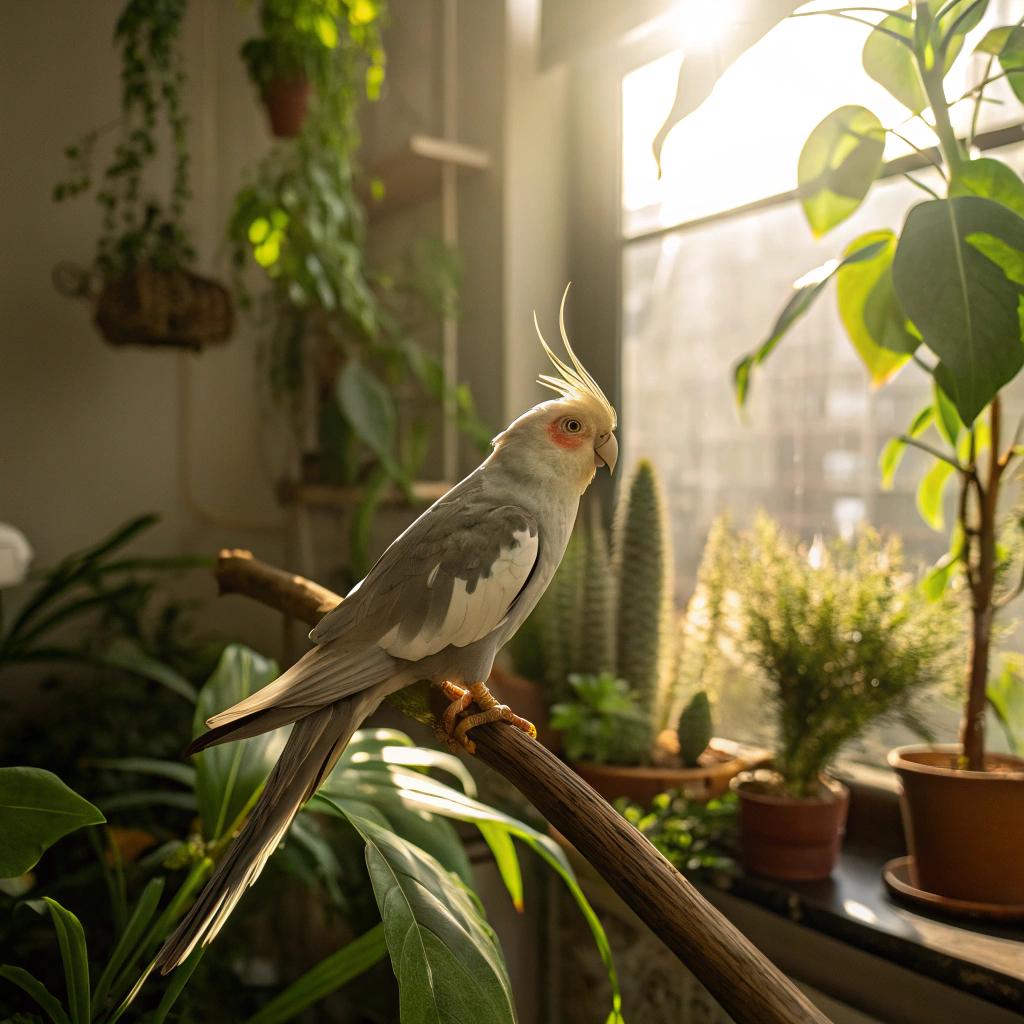
1) Understand Their Social Nature: Cockatiels are highly social birds that thrive on interaction. Regularly spend time with your feathered friend to foster a bond and prevent loneliness
Cockatiels are more than just cute companions; they are social butterflies of the avian world. These charming birds thrive on interaction,craving the company of human friends or fellow feathered mates. Creating daily routines that include quality time with your cockatiel can substantially strengthen your bond. This can involve simple activities such as talking to them, offering treats, or engaging in playful games.When you dedicate time to your cockatiel, you not only prevent loneliness but also open doors to better interaction and mutual trust.
Consider establishing a socialization schedule with your bird to ensure they receive enough attention throughout the day. Here are some ideas to keep their social spirit soaring:
- Morning Chats: Greet your cockatiel each morning to start the day on a positive note.
- Playtime: Engage in interactive play with toys or simple games like hide-and-seek.
- Feeding Together: Make mealtimes a bonding experience by sharing healthy treats.
- Listening Sessions: Play soft music or nature sounds while spending quiet time together.
2) Create a spacious, Safe Habitat: Choose a cage that offers ample space for your cockatiel to move around. Ensure it’s stocked with perches, toys, and places to hide, providing a stimulating environment
Choosing the right cage for your cockatiel is crucial to their well-being and happiness. A spacious habitat allows your feathered friend to stretch their wings, climb, and explore. When selecting a cage, opt for one that is at least 24 inches wide, 24 inches deep, and 36 inches high to ensure plenty of room for movement. The cage bars should be spaced no more than 1/2 inch apart to prevent escapes or accidents. Inside the cage, you can enhance their environment with a variety of perches made from natural wood, which promote foot health and provide varied textures for climbing. Consider adding a few toys-such as bells, mirrors, and chew toys-to keep their minds stimulated and engaged.
In addition to toys and perches, it’s important to incorporate areas where your cockatiel can feel secure. Create cozy hideaways by placing small huts or boxes in the cage,allowing them to retreat and feel safe when needed. A well-designed habitat should also provide a spot for bathing, either using a shallow dish or a dedicated bird bath to encourage hygiene.Remember, the more enriching the environment, the happier and healthier your cockatiel will be. A thoughtfully arranged cage mimics their natural surroundings, contributing significantly to their overall quality of life.
3) Provide a Balanced Diet: A well-rounded diet is crucial for your cockatiel’s health. Offer a mix of high-quality pellets, fresh fruits, and vegetables to ensure they receive all essential nutrients
A balanced diet serves as the foundation for your cockatiel’s overall well-being. High-quality pellets should comprise the bulk of their diet,as these specially formulated nuggets are packed with essential nutrients that support their health. In addition to pellets, it’s essential to introduce a variety of fresh fruits and vegetables into their meals. Not only will this offer your feathered friend a splash of color and excitement at mealtime, but it also helps prevent boredom with their food options. Here are some excellent choices to consider:
- Fruits: apples, bananas, berries, and oranges
- Vegetables: Carrots, spinach, bell peppers, and broccoli
Ensure that any fresh offerings are thoroughly washed and chopped into manageable pieces for easy consumption. It’s crucial to monitor the amounts you offer, as overindulgence can lead to unwanted weight gain. To support you further, here’s a speedy reference table highlighting some favorite fruits and vegetables and their nutritional benefits:
| Food Item | Nutritional Benefit |
|---|---|
| Apple | Rich in fiber, supports digestion |
| Carrot | High in Vitamin A, promotes healthy eyesight |
| Spinach | Packed with iron, boosts energy levels |
| Bell Pepper | High in vitamin C, strengthens the immune system |
4) Maintain a Consistent Routine: Birds appreciate routine, so try to feed and interact with your cockatiel around the same time each day. This consistency can help reduce stress and anxiety
Establishing a routine can work wonders for your cockatiel’s mental well-being. Just like humans, birds thrive on predictability. By feeding and interacting with your feathered friend at the same time every day, you create a comforting environment that helps them feel secure. Morning feedings can be a cherished ritual, as birds are naturally inclined to be active during this time. Evening cuddles or playtime can mark the end of the day, signaling safety and comfort as night approaches.
To further enhance your cockatiel’s routine, consider integrating specific activities throughout the week. As a notable example, dedicate certain days to new toys or training sessions, while keeping others for simple bonding time. Additionally, make a note of your cockatiel’s responses to different activities to adjust your routine accordingly. Consistency doesn’t mean monotony; finding ways to keep the routine fresh can foster a healthy and happy environment for your little companion.
5) Ensure Regular Vet Check-ups: Schedule annual vet visits to monitor your cockatiel’s health. Routine check-ups can catch potential issues early, ensuring a long and healthy life for your pet
when it comes to ensuring your cockatiel’s health, making annual vet visits a priority is vital. These routine check-ups are more than just a formality; they are an prospect to assess your feathered friend’s overall health and catch any potential issues before they escalate.During these visits,the veterinarian will typically perform various assessments,which include:
- Physical Examination: Evaluating body condition,feather quality,and beak health.
- Weight Monitoring: Keeping track of your cockatiel’s weight to identify any sudden changes.
- Dietary Advice: Getting tips on proper nutrition tailored for your cockatiel’s specific needs.
- Vaccinations: Ensuring your pet receives any necessary vaccines to prevent common diseases.
In addition to these assessments, regular vet visits foster a trusting relationship between your cockatiel and a medical professional.This relationship can help keep your pet calm during exams and improve the likelihood of effective treatment if health issues arise. Keeping a record of veterinary visits and health observations can also be beneficial. You might find this table helpful in tracking your cockatiel’s vet visits:
| Date | Vet Name | Reason for Visit | Notes |
|---|---|---|---|
| Jan 15, 2023 | Dr. Smith | Annual Check-Up | Healthy weight, feather condition good. |
| Jul 10, 2023 | Dr. Smith | Behavioral Issue | Recommended environmental enrichment. |
6) Encourage Mental Stimulation: Keep your cockatiel engaged with a variety of toys and activities. Rotate toys regularly to keep things fresh and interesting,helping to prevent boredom
Keeping your cockatiel mentally stimulated is as vital as providing a balanced diet. These clever birds thrive on interaction and discovery.By offering a variety of toys and activities, you can keep their minds sharp and their spirits high. Consider using interactive toys,such as those that require problem-solving or challenges,to engage their curiosity. Items like foraging toys, where treats are hidden away, can turn snack time into a fun adventure. Don’t forget about climbing structures and swings, which not only entertain but also encourage physical exercise.
To prevent monotony, it’s crucial to rotate your cockatiel’s toys regularly. This can be done by establishing a toy rotation schedule that introduces new playthings every few weeks. For instance, alternate between soft chewable toys, mirrors, and puzzle feeders to maintain their interest.Here’s a simple table to help you track your toy rotation:
| Toy type | Rotation Frequency | Notes |
|---|---|---|
| Chew Toys | Every 2 weeks | Encourages natural chewing behavior |
| Foraging Toys | Weekly | Stimulates their hunting instincts |
| Reflective Toys | every 3 weeks | Provides visual stimulation and interaction |
| Climbing Structures | monthly | Encourages physical activity |
In addition to toys, incorporating activities such as short training sessions or free-flight time can contribute significantly to your cockatiel’s mental well-being. Consistent engagement not only enhances your bond but also ensures that your feathered friend remains happy and healthy!
7) Allow Time for Out-of-Cage Exploration: When it’s safe, let your cockatiel out of the cage to explore their surroundings. Supervised playtime outside the cage helps strengthen your bond and allows them to stretch their wings
One of the most delightful experiences for both you and your cockatiel is allowing them the freedom to explore outside their cage. This time spent together not only fosters a deeper connection but also encourages your pet to engage in natural behaviors. Create a safe and stimulating environment by removing any potential hazards.Set up a designated “play area” with safe toys and perches that are easy for your bird to navigate. Consider placing a few of their favorite treats throughout the space to entice them to explore,promoting physical activity that’s crucial for their well-being.
During these exploration sessions,always supervise your cockatiel to ensure their safety. Cockatiels are naturally curious creatures, so you might find them inspecting every corner of the room or even trying to engage with household items. You can make this time even more rewarding by incorporating a few enriching elements like:
- Bird-safe climbing structures: Encourage physical movement and exercise.
- Interactive toys: Stimulate mental engagement and problem-solving.
- Foraging opportunities: hide food or treats to mimic natural foraging behavior.
This dedicated playtime is not only essential for your cockatiel’s physical health but also plays a large role in their emotional well-being, leading to a happier and more balanced bird.
8) Practice Patience with Training: Cockatiels can be trained to perform tricks and respond to commands. Use positive reinforcement and be patient; building trust takes time, but it’s well worth the effort
Training a cockatiel can be a rewarding endeavor, but it’s essential to approach the task with patience and understanding. Cockatiels, like many birds, have unique personalities and learning paces.To foster a positive training environment,consider using positive reinforcement techniques,such as offering treats or praise when your cockatiel successfully performs a trick or follows a command. This method encourages repeat behavior and helps to establish a trusting bond between you and your feathered friend. remember, every bird learns differently, and some tricks may take longer to master than others.
Building trust is a gradual process. To enhance your training sessions, try incorporating the following practices:
- Short Sessions: Keep training sessions brief, lasting about 5-10 minutes, to maintain your cockatiel’s interest without overwhelming them.
- Consistency is Key: Use the same commands and gestures each time you train to avoid confusing your bird.
- Frequent Rewards: Reward your cockatiel immediatly after they comply with a command to reinforce the behavior effectively.
- Read Their Mood: Pay attention to your bird’s body language; if they seem stressed or uninterested, it’s okay to take a break.
9) Keep Their Space Clean: A clean cage is vital for your cockatiel’s health. Regularly change the bedding, clean perches and toys, and remove any leftover food to prevent illness
Maintaining a clean environment for your cockatiel not only enhances their quality of life but also plays a crucial role in their overall health. Regular cleaning helps to reduce the risk of disease and keeps your feathered friend feeling happy and vibrant. Make it a habit to change the bedding at least once a week, as dirty bedding can harbor bacteria and molds that pose health risks. Additionally, be sure to clean perches and toys frequently-using a mild, bird-safe disinfectant can be very effective in eliminating harmful pathogens. keep an eye on the food dish and promptly remove any leftover food to prevent spoilage and attract unwanted pests.
Establishing a cleaning routine doesn’t need to feel like a chore. set aside a specific day each week for a thorough scrub-down, and integrate mini-cleaning tasks into your daily activities. For instance, while chatting with your cockatiel or watching TV, you can easily wipe down surfaces or replace water bowls. To help you keep track of your cleaning schedule, consider creating a simple chart:
| Task | Frequency |
|---|---|
| Change Bedding | Weekly |
| Clean Perches | Every 3-4 days |
| Wash Toys | Bi-monthly |
| Check Water & Food | Daily |
Keeping your cockatiel’s space clean can lead to happier, healthier birds, while also creating a pleasant environment in your home. Embrace this critically important aspect of bird ownership,and you’ll establish a thriving space for your feathered companion.
10) Be Mindful of Their Environment: Protect your cockatiel from environmental hazards such as drafts,smoke,and toxic plants. Creating a safe atmosphere is essential for your bird’s well-being and happiness
When it comes to creating a agreeable and safe home for your cockatiel,being aware of environmental factors is crucial. These charming birds are sensitive to their surroundings, and even small changes can greatly affect their health and happiness.Ensure your cockatiel is placed in a draft-free area, away from open windows and direct air conditioning or heating vents. It’s also vital to keep your feathered friend far from any smoke, whether from cigarette, incense, or cooking; inhaling such pollutants can lead to serious respiratory issues. Consider using air purifiers or keeping windows closed on windy days to maintain clean air in your home.
moreover,you should be vigilant about toxic plants,which can pose a notable risk to your cockatiel. Many common houseplants are harmful if ingested, so it’s important to curate a safe list of flora for your living space. Here’s a quick reference table that highlights some common toxic plants to avoid:
| Plant name | Toxicity Level |
|---|---|
| Oleander | High |
| Philodendron | Medium |
| Dieffenbachia (Dumb Cane) | High |
| Yew | High |
| Lily | Medium |
By choosing non-toxic plants and ensuring a secure environment, you can significantly enhance your cockatiel’s quality of life. A little mindfulness goes a long way in preventing accidents and fostering a happy, healthy atmosphere for your delightful companion.
Q&A
10 Essential Tips for Caring for Your Cockatiel: A beginner’s Guide
What is the best diet for my cockatiel?
Cockatiels thrive on a balanced diet that includes:
- Pellets: High-quality pellets should form the base of their diet.
- Seeds: Offer a variety of seeds in moderation, as they are high in fat.
- Fresh fruits and vegetables: Provide a range of colorful options like carrots, spinach, apples, and berries.
- Calcium sources: Include cuttlebone or mineral blocks to support bone health.
Always ensure your cockatiel has access to clean, fresh water daily.
How often should I clean my cockatiel’s cage?
To maintain a healthy environment for your cockatiel, you should clean their cage:
- daily: Remove uneaten food and any soiled bedding.
- Weekly: Wash the cage, perches, and toys with warm soapy water, followed by a rinse to eliminate residue.
- Monthly: Deep clean by entirely emptying the cage and disinfecting it.
what kind of environment do cockatiels need?
Cockatiels require a comfortable and stimulating environment including:
- Space: A spacious cage with enough room for them to move, stretch, and play.
- Perches: Provide perches of varying diameters to promote healthy feet.
- Toys: Offer different toys for mental stimulation and entertainment.
- Temperature: Keep them in a room away from drafts and extreme temperature fluctuations.
How can I bond with my cockatiel?
Building a bond with your cockatiel takes time and patience. Here are some effective ways:
- Consistency: Spend time with them every day to form trust.
- Talk and sing: Use a gentle voice to communicate, as cockatiels are social creatures.
- Hand-feeding: Offer treats from your hand to encourage positive associations.
- Allow exploration: Let them explore a safe space outside the cage for bonding opportunities.
What is the importance of social interaction for cockatiels?
Cockatiels are extremely social birds, and social interaction is crucial for their well-being:
- Preventing loneliness: Regular interaction helps reduce stress and anxiety.
- Enhancing mood: A socially active cockatiel is often happier and more playful.
- Health benefits: Improved interaction can lead to better mental health and overall vitality.
Are cockatiels prone to any specific health issues?
Yes,like all pets,cockatiels can experience health problems. Some common issues include:
- Psittacosis: A bacterial infection that can affect both birds and humans.
- Respiratory issues: often caused by poor air quality or exposure to irritants.
- feather plucking: A behavioral issue that can arise from stress or boredom.
- Nutritional deficiencies: Lack of proper diet can lead to health complications.
Regular veterinary check-ups can help early detection and treatment of these issues.
How much exercise do cockatiels need?
Cockatiels need regular exercise to stay healthy and happy. here’s what to consider:
- Daily flight time: Allow them several hours per day outside their cage in a safe environment.
- Interactive play: Engage them with toys and obstacles that encourage movement.
- Exploration: Provide supervised time in different rooms to stimulate their curiosity.
What are the signs of a healthy cockatiel?
To ensure your cockatiel is healthy, look for these signs:
- Shining eyes: Clear, bright eyes indicate good health.
- Clean feathers: smooth and clean feathers show that they groom themselves well.
- Active behavior: Playfulness and curiosity are signs of a healthy spirit.
- Normal droppings: Consistent droppings in color and consistency are indicators of good health.
When should I consider seeking veterinary assistance for my cockatiel?
It’s advisable to consult a veterinarian when you notice:
- Changes in behavior: Lethargy, loss of appetite, or aggression.
- Physical symptoms: Signs of illness such as diarrhea, feather loss, or bleeding.
- Changes in vocalization: A significant change in their chirping or ability to vocalize.
- Age milestones: Regular check-ups as they age are critical for early detection of health issues.
Key Takeaways
As we conclude our journey through the world of cockatiel care, we hope these 10 essential tips have inspired you to create a nurturing and enriching environment for your feathered friend. Remember, each cockatiel is a unique personality, brimming with quirks and charm, and their happiness often starts with your commitment to understanding their needs. Embrace the joy of bonding with your new companion, providing them with a safe space to thrive, and celebrating the little moments that make birdkeeping so fulfilling. Whether you’re just starting out or looking to refine your skills, the love and attention you invest in your cockatiel will undoubtedly enhance both of your lives.Here’s to many happy chirps, playful flutters, and cherished memories ahead!



26 Comments
Great tips! It’s so important to understand their needs for a happy and healthy life.
These tips are really helpful for new cockatiel owners; establishing a good routine is key to their well-being.
Thank you for sharing these insightful tips; understanding cockatiel behavior can really enhance the bond between owner and pet.
I appreciate these practical tips; they provide a great starting point for anyone looking to create a loving and nurturing environment for their cockatiel.
These essential tips are perfect for anyone bringing a cockatiel into their home; having a solid foundation of care can lead to a truly rewarding relationship.
These tips are invaluable for beginners; knowing how to care for a cockatiel not only ensures their health but also enriches the joy they bring into our lives.
I found these tips to be extremely helpful; they not only address fundamental care but also highlight the importance of social interaction, which is vital for a happy cockatiel.
I’m grateful for these tips; they not only guide beginners in providing the right care but also emphasize the importance of establishing a connection with these wonderful birds, making the experience even more fulfilling.
These tips are a fantastic resource for new cockatiel owners; understanding their needs and behaviors not only fosters a strong bond but also ensures a happy and healthy life for these charming birds.
This guide is incredibly useful for new cockatiel owners; it emphasizes the key aspects of care while also reminding us of the joy that comes from nurturing these affectionate birds.
This guide is a perfect starting point for anyone new to cockatiel care; it provides essential information that can significantly enhance the bird-owner relationship and lead to a more fulfilling experience with these delightful pets.
This guide is a valuable resource for anyone looking to start their journey with cockatiels; it covers essential care aspects while emphasizing the importance of understanding their unique personalities, which can truly enrich the overall experience of pet ownership.
This guide is a great starting point for anyone new to cockatiel care; it offers practical advice and insights that can help create a loving environment for these sociable and intelligent birds, ensuring they thrive and form strong bonds with their owners.
This guide is an excellent resource for anyone considering bringing a cockatiel into their home; the tips provided not only simplify the care process but also highlight the joy of building a connection with these engaging and playful pets.
This guide is a fantastic introduction for those new to cockatiel ownership; it succinctly breaks down the main aspects of care while also encouraging the development of a meaningful bond with these charming and affectionate companions.
This guide offers invaluable insights for new cockatiel owners; it not only outlines key care techniques but also emphasizes the importance of patience and interaction in building a strong relationship with these loving birds.
This guide serves as an excellent foundation for novice cockatiel owners; it not only provides practical tips for their care but also highlights the significance of patience and communication in fostering a deep and rewarding relationship with these delightful birds.
This guide is a superb resource for beginners venturing into cockatiel care; it provides essential tips that not only address their basic needs but also encourage fostering a meaningful companionship with these intelligent and social creatures.
This guide is an invaluable starting point for first-time cockatiel owners; it effectively covers essential care tips while also promoting the idea that nurturing a strong bond with these sociable birds can lead to a fulfilling and enjoyable companionship.
This guide is an excellent resource for beginners looking to understand the fundamental aspects of cockatiel care; it thoughtfully combines practical advice with the encouragement to cultivate a nurturing relationship, ultimately enhancing the experience of having these wonderful birds as companions.
This guide is a fantastic starting point for anyone new to cockatiel ownership; it succinctly outlines crucial care strategies while reinforcing the value of engagement and affection in nurturing a lasting bond with these charming birds.
This guide is a comprehensive and user-friendly introduction for anyone embarking on the journey of caring for a cockatiel; it emphasizes vital care practices while also encouraging owners to invest in the emotional connection, which is key to fostering a happy and healthy pet relationship.
This guide serves as an excellent foundation for new cockatiel owners by offering essential care tips while highlighting the importance of building a strong, affectionate connection with these delightful birds, ensuring they thrive both physically and emotionally.
This guide is a perfect entry point for novice cockatiel owners, as it expertly blends essential care advice with the notion that fostering a loving relationship is crucial for the overall well-being of these sociable and intelligent birds.
This guide offers invaluable insights for new cockatiel owners, skillfully merging practical care recommendations with the essential aspect of building a strong emotional bond, which is vital for the happiness and health of these affectionate birds.
This guide effectively combines practical care instructions with the essential reminder that forming a nurturing bond is critical for the emotional stability and well-being of cockatiels, making it an indispensable resource for beginners.