
10 Essential Tips for a Healthy Diet for Your Pet Birds
10 Essential Tips for a Healthy Diet for Your Pet Birds: Nurturing Your Feathered Friends’ Well-Being
Birds are vibrant creatures that bring joy and companionship into our lives, and just like any family member, they deserve the best care possible. One of the cornerstones of your pet bird’s well-being is a nutritious diet tailored to meet their unique needs. In this listicle, we unveil 10 essential tips that will help you create a balanced and varied menu for your avian companions, ensuring they thrive both physically and mentally. From understanding their dietary requirements to discovering the best foods for different species,you’ll learn how to keep those feathers shiny and spirits high.So, let’s embark on this journey to feathered health and positivity, where every tip is a step towards a happier, healthier life for your pet birds!
Table of Contents
- 1) diversify Their Diet: A varied diet is crucial; mix grains, seeds, fruits, and vegetables to ensure your bird gets a comprehensive range of nutrients.
- 2) fresh Fruits and Vegetables: Incorporate a colorful selection of fresh produce into their meals. Think dark leafy greens and vibrant fruits like berries for optimal health benefits.
- 3) Limit Seed-Based Diets: while seeds are enjoyable for birds, they should not be the sole component of their diet. Opt for pellets as a primary food source to balance their nutritional intake.
- 4) Provide Clean Water Daily: Always ensure that your bird has access to fresh, clean water. Changing it regularly prevents contamination and dehydration, which are vital for their health.
- 5) Watch Portion Sizes: Overfeeding can lead to obesity and related health issues. Be mindful of portions and adjust based on your bird’s size, activity level, and species.
- 6) Avoid Toxic Foods: Certain foods like chocolate, avocado, and caffeine are harmful to birds. Be aware of these and keep hazardous items out of reach to ensure your pet’s safety.
- 7) Supplement with Nuts and Seeds: High-quality nuts and seeds can be given as occasional treats, providing healthy fats and proteins while promoting mental stimulation during feeding time.
- 8) Offer Calcium Sources: Calcium is essential for bone health, especially in breeding birds. Consider providing cuttlebone or calcium-fortified foods to support their dietary needs.
- 9) Regular Vet Check-ups: Consult a veterinarian for guidance on your bird’s dietary needs. Regular check-ups can definitely help identify nutritional deficiencies and keep them healthy.
- 10) Observe Their Preferences: Take note of your bird’s preferences for different foods. Offering their favorites can encourage healthy eating habits and help you provide a balanced diet they enjoy.
- Q&A
- Final Thoughts
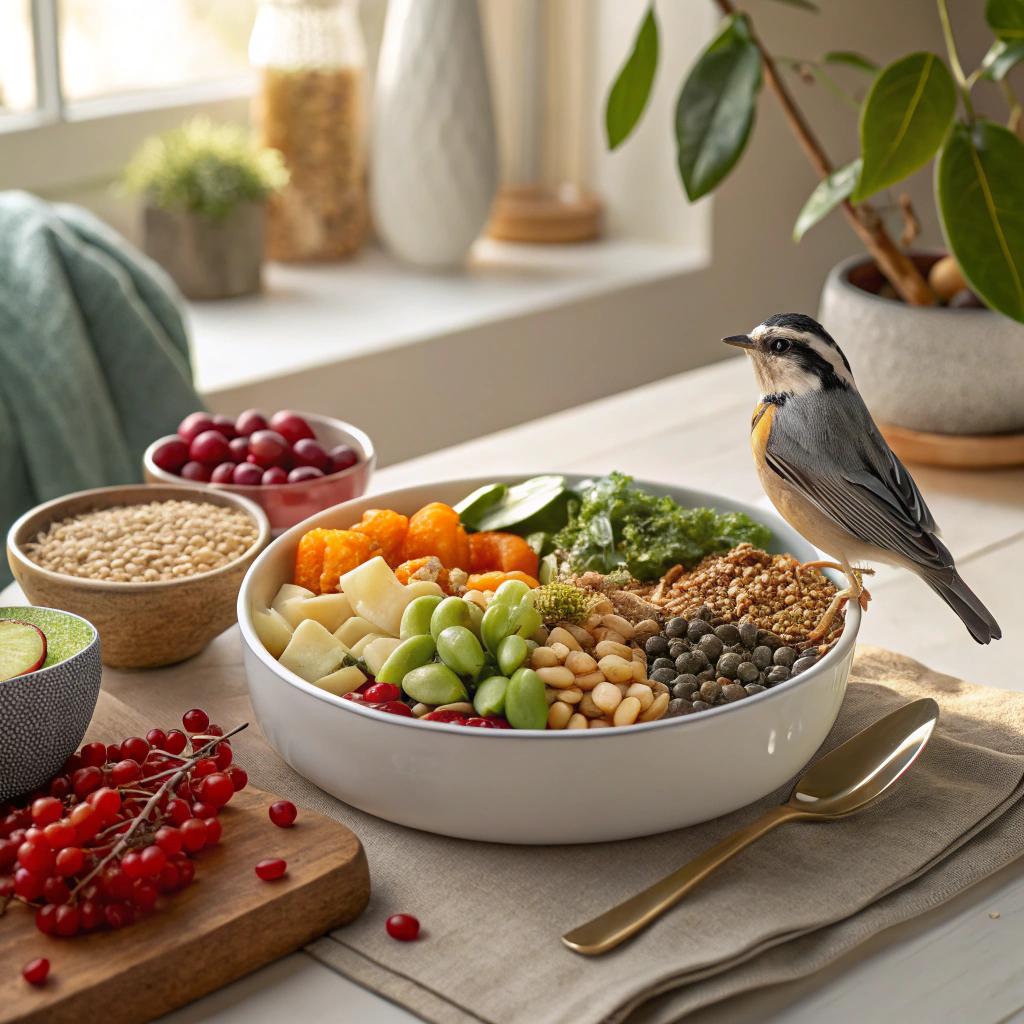
1) Diversify Their Diet: A varied diet is crucial; mix grains, seeds, fruits, and vegetables to ensure your bird gets a comprehensive range of nutrients
To ensure your feathered friend thrives, it’s essential to offer a colorful variety of foods that cater to their nutritional needs. Birds, like humans, benefit from a broad spectrum of vitamins and minerals found in different food groups. When creating their meals,aim to include:
- Whole grains – brown rice,quinoa,and oats
- Seeds – sunflower seeds,pumpkin seeds,and flaxseeds
- Fruits – apples,berries,and bananas
- Vegetables – carrots,spinach,and bell peppers
Don’t hesitate to experiment with new combinations and textures. Mixing up the types of food can keep your bird engaged while exploring its culinary world. Consider offering a daily rotation to ensure they’re receiving a well-rounded diet. Here’s a simple guide to the proportion of each food group you can incorporate:
| Food Group | Recommended Proportion |
|---|---|
| Grains | 30% |
| Seeds | 20% |
| Fruits | 25% |
| Vegetables | 25% |
2) Fresh Fruits and Vegetables: Incorporate a colorful selection of fresh produce into their meals. Think dark leafy greens and vibrant fruits like berries for optimal health benefits
One of the most rewarding aspects of caring for pet birds is providing them with a vibrant and varied diet that mirrors their wild counterparts. Fresh fruits and vegetables are vital for ensuring your feathered friends receive the essential nutrients needed for optimal health. Aim to include a mix of colors in their meals, as the phytochemicals that give fruits and vegetables their hues offer powerful health benefits.Consider offering options such as:
- Dark leafy greens: Spinach, kale, and swiss chard are excellent sources of vitamins A, C, and K.
- Vibrant fruits: Berries like blueberries, strawberries, and raspberries are rich in antioxidants, while bananas and mangoes provide natural sweetness and energy.
- Crispy vegetables: Consider carrots, bell peppers, and broccoli, which can add crunch and variety to their diets.
To make mealtime even more exciting,try creating a colorful bird salad by mixing various fruits and veggies together. You can use a simple table format to keep track of what you’ve introduced to their diet:
| Fruit/Vegetable | Benefits |
|---|---|
| kale | High in calcium and vitamin A. |
| Carrot | Great source of beta-carotene for eye health. |
| Blueberry | Packed with antioxidants to boost immunity. |
| Mango | Rich in vitamins and deliciously sweet. |
Rotating different produce keeps their palate engaged and ensures a range of nutrients is absorbed. Always wash the fruits and veggies thoroughly and remove any seeds or pits that could pose a choking hazard. An enticing array of colors will not only promote good health but also create an enjoyable eating experience for your pet birds.
3) limit Seed-Based Diets: While seeds are enjoyable for birds, they should not be the sole component of their diet. Opt for pellets as a primary food source to balance their nutritional intake
While seeds might potentially be a beloved treat for your feathered friends, relying solely on them can lead to nutritional imbalances.Seeds often lack essential vitamins and minerals necessary for a bird’s health. to ensure your pet birds thrive, consider making high-quality pellets the cornerstone of their diet. These pellets are specifically formulated to meet the dietary needs of birds and frequently enough contain a balanced mix of grains, fruits, vegetables, and essential nutrients. By making this switch, you can definitely help prevent potential health issues linked to an inadequate diet.
In addition to pellets, you can introduce a variety of fresh fruits and vegetables to create a more appealing and balanced menu. Here’s a rapid look at the components you should incorporate into your birds’ daily meals:
| Food type | Examples |
|---|---|
| Pellets | Complete nutrition blends |
| Fruits | berries, apples, bananas |
| Vegetables | Carrots, spinach, bell peppers |
This combination not only enhances the dietary satisfaction for your birds but also promotes better overall health, ensuring your pets have a long and vibrant life. Remember, moderation is key-always introduce new foods gradually and observe your birds’ reactions. This way, you can create a delicious yet balanced diet that keeps their beaks and spirits happy!
4) Provide Clean Water Daily: Always ensure that your bird has access to fresh, clean water. Changing it regularly prevents contamination and dehydration, which are vital for their health
Keeping your feathered friends hydrated is a fundamental aspect of their well-being. Birds require ample amounts of water daily,as staying hydrated supports their metabolism,aids in digestion,and helps maintain their vibrant feathers. Ensure that you provide clean, fresh water in a container that’s easy for your bird to access. Be proactive in changing the water regularly-ideally, at least once a day-to keep it free from contaminants like droppings, food particles, or bacteria that can thrive in stagnant water.
To make this task easier and more effective, consider these tips:
- Use a shallow water dish: This prevents drowning and allows smaller birds to drink comfortably.
- Invest in a water bottle: A bottle with a sipper tube can definitely help keep water cleaner for longer, reducing splashes and spills.
- Monitor water consumption: Observe your bird’s drinking habits; changes can indicate health issues.
- Clean the dish: Rinse and scrub the water container regularly to avoid algae and bacteria growing in it.
5) Watch Portion Sizes: Overfeeding can lead to obesity and related health issues.Be mindful of portions and adjust based on your bird’s size, activity level, and species
Portion control is crucial in maintaining your pet bird’s health. Overfeeding can lead to weight gain, which in turn can cause serious health issues such as heart disease, liver problems, and diabetes. Being aware of your bird’s unique dietary needs is essential. Different species have different requirements,so it’s significant to familiarize yourself with the ideal portion sizes for your bird. For example, seed-based diets should be portioned to avoid excess fat consumption, while fresh fruits and vegetables can often be given in larger, yet still controlled, amounts. Regularly observe your bird’s weight and adjust their portions according to their activity levels and overall condition.
| Bird Species | Recommended Daily Portion |
|---|---|
| Budgies | 1-2 tablespoons of seeds |
| Cockatiels | 2-3 tablespoons of pellets |
| Parrots | 10-20% of their body weight in fresh food |
Along with species-specific portion sizes, consider your bird’s activity level. An active bird may require slightly larger portions compared to a more sedentary companion. Keep an eye on their body condition; if your bird is starting to look overweight or underweight, it’s time to adjust their diet accordingly. Splitting their meals into smaller, more frequent servings can help regulate their energy levels throughout the day and keep their metabolism active. Use these portion guidelines as a starting point, and don’t hesitate to consult with an avian veterinarian for tailored advice based on your bird’s specific needs.
6) Avoid Toxic Foods: Certain foods like chocolate, avocado, and caffeine are harmful to birds. be aware of these and keep hazardous items out of reach to ensure your pet’s safety
Keeping your feathered companions safe extends beyond providing them with a balanced diet; it also involves knowing which foods to avoid. Some seemingly harmless treats can pose serious health risks for birds. Chocolate, for instance, contains theobromine, which can cause heart issues and even lead to fatal consequences. Similarly, avocado contains persin, a substance that can be highly toxic to birds, affecting their cardiovascular and respiratory systems. Caffeine, found in coffee and many energy drinks, can lead to hyperactivity, heart palpitations, and other serious complications. This makes it essential to educate yourself about these dangers and ensure that such items are kept securely out of reach.
It’s not just about immediate harm; long-term exposure to toxic substances can lead to chronic health issues in birds. To help safeguard your pet’s health, consider creating a designated area in your kitchen for bird-safe foods and snacks, away from hazardous items. Here’s a quick reference table showcasing common toxic foods for birds:
| Food | Potential Risk |
|---|---|
| Chocolate | Heart issues, potential fatality |
| Avocado | Toxic, can lead to respiratory issues |
| Caffeine | Hyperactivity, heart palpitations |
By being vigilant and informed about what can harm your birds, you are taking significant steps towards creating a healthier habitat for them. Always read labels and maintain an ongoing dialog with your veterinarian about which foods are safe and what should be avoided. Keeping your pet birds safe and sound starts with a well-curated menu that excludes toxic foods.
7) Supplement with Nuts and Seeds: High-quality nuts and seeds can be given as occasional treats,providing healthy fats and proteins while promoting mental stimulation during feeding time
Integrating high-quality nuts and seeds into your pet birds’ diet can offer them essential nutrients while satisfying their foraging instincts. These tiny powerhouses are not only rich in healthy fats and proteins, but they also provide a delightful crunch that can turn paid attention into playtime.Offering various nuts and seeds as occasional treats can foster mental stimulation, making mealtime a fun and engaging experience for your feathered friends. Consider adding the following options to their diet:
- Almonds: Excellent source of vitamin E, aiding in feather health.
- Walnuts: Rich in omega-3 fatty acids, supporting brain function.
- Sunflower Seeds: A favorite treat; high in fat but should be given in moderation.
- Pumpkin Seeds: Packed with zinc, crucial for immune health.
While it’s essential to provide nuts and seeds as part of a balanced diet, moderation is key. Overindulgence can lead to obesity, adversely affecting your bird’s health. The best approach is to introduce them as fun surprises in their daily feeding routine. You might also create a simple schedule to diversify their treats,ensuring they receive a wide array of nutrients:
| Day | Treat |
|---|---|
| Monday | Almonds |
| Wednesday | Walnuts |
| Friday | Sunflower Seeds |
| sunday | Pumpkin Seeds |
8) offer Calcium Sources: Calcium is essential for bone health,especially in breeding birds. Consider providing cuttlebone or calcium-fortified foods to support their dietary needs
Maintaining your feathered friends’ bone health is crucial, especially if they’re in breeding condition. To ensure they receive adequate calcium, introduce calcium-rich options into their diet. One of the most popular choices is cuttlebone, a natural mineral source that not only provides calcium but also keeps beaks trimmed. Simply hang it in their cage where they can nibble on it at leisure, turning a basic dietary addition into a fun activity. You can also consider offering calcium-fortified pellets or treats, designed specifically to cater to the elevated needs of breeding birds.
In addition to cuttlebone and fortified foods, try incorporating fresh and dried fruits and vegetables that are high in calcium. Some excellent sources include:
- Broccoli
- Kale
- Collard greens
- Parsnips
These colorful options not only provide essential nutrients but also keep mealtime exciting for your pets. To emphasize the diversity of calcium sources, here’s a simple table compiling some calcium-rich foods that are safe for birds, along with their respective calcium content:
| Food Item | Calcium Content (mg/100g) |
|---|---|
| Cuttlebone | 35000 |
| Broccoli | 47 |
| Kale | 150 |
| Collard Greens | 232 |
| Parsnips | 24 |
Incorporating these foods can definitely help ensure your avian companions are not only healthy but also thriving!
9) Regular Vet Check-ups: Consult a veterinarian for guidance on your bird’s dietary needs. Regular check-ups can definitely help identify nutritional deficiencies and keep them healthy
Maintaining your feathered friend’s health starts with regular trips to the vet. These visits allow for professional evaluation of your bird’s overall condition and specific dietary requirements. A veterinarian can provide personalized guidance based on your pet’s species, age, and lifestyle, ensuring a balanced diet that meets all their nutritional needs. moreover, they can identify any deficiencies that may arise from an unvaried diet or improper feeding practices.
During check-ups, your vet can also help establish a feeding routine that includes a wide variety of foods. Consider asking about the following:
- Fresh fruits and vegetables – Essential for vitamins and minerals.
- High-quality pellets – A staple for nutrition.
- Seeds – Should complement, not dominate, the diet.
- Special dietary supplements – For birds with specific health concerns.
Additionally, monitoring your bird’s weight and body condition during visits can help detect potential issues before they become serious. This proactive approach is key to ensuring your pet enjoys a long and vibrant life. Here’s a simple table to illustrate common nutritional factors to discuss during your appointments:
| Food Type | Nutritional Benefit | Recommended Serving |
|---|---|---|
| Leafy Greens | Rich in vitamins A and C | 1-2 cups daily |
| Fruits | Natural sugars and antioxidants | 2-3 tablespoons, 2-3 times a week |
| Pellets | Complete nutrition | Varies by species |
| Nuts | Healthy fats and protein | 1-2 pieces, as an occasional treat |
10) Observe Their Preferences: Take note of your bird’s preferences for different foods. Offering their favorites can encourage healthy eating habits and help you provide a balanced diet they enjoy
Understanding your bird’s individual taste preferences is crucial for creating a balanced diet that keeps them not just nourished but also engaged. each bird has its own likes and dislikes when it comes to food, and taking the time to notice these preferences can make meal times much more enjoyable. Offering a variety of foods not only prevents boredom but also encourages your feathered friend to explore and try new items. You might find that your bird develops a fondness for certain fruits, vegetables, or seed mixes. To foster this discovery, consider introducing new foods gradually, rotating their favorites in and out of their diet to maintain excitement.
To help keep track of what your bird loves, you might want to create a simple chart or table. This will enable you to observe patterns in their eating habits and preferences over time. Here’s a quick example:
| Food type | Liked (Yes/No) | Frequency Offered |
|---|---|---|
| Apple Slices | Yes | 3 times a week |
| Carrot Sticks | No | 1 time a month |
| Broccoli Florets | Yes | 2 times a week |
Maintaining such a record can help ensure that your bird is offered foods they enjoy regularly, reinforcing healthy eating habits. When your pet is excited about their meals, you’re not only nurturing their physical health but also enhancing their overall well-being. Don’t hesitate to experiment with flavors and textures, adjusting based on their reactions to keep their taste buds entertained.
Q&A
10 Essential Tips for a Healthy Diet for your Pet Birds
What should the base of a pet bird’s diet consist of?
The base of your pet bird’s diet should be high-quality pellets formulated specifically for their species. These pellets provide a balanced mix of vitamins, minerals, and other nutrients that are crucial for their health. Alongside pellets, you may also offer fresh fruits and vegetables to introduce variety and natural flavors.
why is it important to offer a variety of foods?
Offering a variety of foods helps prevent nutritional deficiencies and keeps your bird interested in their meals. Different foods provide different nutrients, and by mixing fruits, vegetables, seeds, and pellets, you can ensure a more balanced diet. plus,it’s a great way to encourage your bird’s natural foraging behavior!
Which fruits and vegetables are safe for pet birds?
Many fruits and vegetables are safe for most pet birds. Some great options include:
- Apples (remove seeds)
- Carrots
- Broccoli
- Spinach
- Berries (strawberries, blueberries)
Always wash produce thoroughly and cut them into manageable pieces for your bird.
How can I ensure my bird stays hydrated?
Access to fresh,clean water every day is essential. Make sure to change the water daily to keep it clean. Consider using water bottles or shallow bowls, depending on what your bird prefers, to prevent spills and contamination.
Should I include seeds in my bird’s diet?
Seeds can be included, but they should only make up a small part of the diet as they are typically high in fats and low in essential nutrients. If you choose to give seeds, opt for a high-quality seed mix, and balance it out with pellets and fresh foods to provide a well-rounded diet.
Are there any foods I should avoid?
Yes, certain foods can be toxic or harmful to birds. Avoid giving your pet birds:
- Avocado
- Caffeine (coffee, tea)
- Chocolate
- Alcohol
- Onions and garlic
Always research new foods before introducing them to your bird’s diet.
How often should I feed my pet bird?
Most pet birds thrive on a routine. Offer fresh food once or twice a day and allow your bird to graze on pellets throughout the day. It’s important to monitor the amount of food consumed to ensure your bird is eating a balanced diet.
Can I give my bird treats, and if so, what should they be?
Treats can be a great way to bond with your bird and reward them! Aim for healthy options such as:
- Dried fruits (without added sugars)
- Nuts (in moderation)
- Commercial bird treats that are low in sugar and fat
Always give treats in moderation to maintain your bird’s healthy weight.
How can I tell if my bird is eating a healthy diet?
Keep an eye on your bird’s droppings,weight,and overall behavior. Healthy droppings should be well-formed, and neither too hard nor too watery. If your bird is active, singing or chirping, and maintaining a healthy weight, these are good signs of a balanced diet.
What role does supplementation play in a bird’s diet?
In some cases, supplements like calcium or vitamins may be necessary, especially if your bird is on a predominantly seed-based diet. consult your avian veterinarian to determine if your bird needs any supplements based on their specific dietary needs and health conditions.
Final Thoughts
As we conclude our journey through these ten essential tips for nurturing a healthy diet for your feathered friends, remember that every beak holds a unique personality and a specific set of nutritional needs. By embracing these insights, you’re not just filling their bowls but enriching their lives, fostering their vibrant spirits, and ensuring they thrive in your care.
A balanced diet is a melody of colors, textures, and flavors-an orchestra that not only supports their physical health but also nourishes the heart and soul of your avian companions. So, take a moment to explore new foods, observe how they interact with their meals, and adjust their diet accordingly, because you are the conductor of their symphony of health.
With a little patience and creativity,you can transform mealtime into a delightful and enriching experience for your birds. here’s to happy chirps, vibrant feathers, and the joy of knowing you’re providing them with the best care possible. Thank you for joining us on this quest for optimal avian nutrition-may your journey with your pet birds be as colorful and fulfilling as the diet you provide!



26 Comments
Great tips! It’s so important to ensure our feathered friends have a balanced diet to keep them healthy and happy.
These suggestions are invaluable; a proper diet can really make a difference in the well-being and longevity of our pet birds.
Absolutely agree! Providing a varied and nutritious diet for pet birds is crucial for their overall health and happiness, and these tips are a perfect guideline for any bird owner.
These tips are spot on! A healthy diet is essential for preventing illnesses and ensuring our birds thrive. I’m excited to implement these suggestions for my pets.
These tips provide a fantastic foundation for bird owners looking to enhance their pets’ diets; it’s amazing how such simple changes can lead to substantial improvements in their health and vitality.
These essential tips are a game-changer for bird owners; prioritizing a healthy diet not only enhances our birds’ quality of life but also fosters strong bonds with them as they thrive in a nurturing environment.
These tips are incredibly informative; it’s essential for bird owners to understand the importance of diet in promoting health and vitality, and I appreciate the clear guidance provided here to help us all do better for our feathered friends.
These tips are invaluable for anyone wanting to improve their bird’s diet; I’ve learned so much about the right foods and the benefits they bring, and I can’t wait to see the positive impact on my pets’ well-being.
This article offers great insights for bird owners who want to take their pets’ nutrition seriously; by following these tips, we can help our feathered companions live longer, healthier lives and enjoy a more vibrant lifestyle.
This article is a must-read for bird enthusiasts; it highlights key dietary recommendations that can transform the health and happiness of our avian companions, making it easier to provide them with the best possible care.
This guide is a fantastic resource for bird owners looking to elevate their pet’s diet; it’s crucial to recognize how proper nutrition plays a vital role in ensuring our birds are happy and healthy, and these tips are practical and easy to implement.
This is an outstanding resource for bird owners; the emphasis on balanced nutrition is crucial for our pets’ overall well-being, and these practical tips will definitely help us provide a healthier lifestyle for our birds.
This post is incredibly informative for anyone who cares about their pet birds; understanding the importance of a varied and nutritious diet can greatly enhance their quality of life, and these essential tips make it easier for all bird owners to implement positive changes.
This article is an invaluable tool for anyone dedicated to the health of their pet birds; the practical advice and clear explanations on nutrition underscore how critical diet is for our birds’ long-term wellness and vitality.
This post is a treasure trove of knowledge for bird owners; it emphasizes the significance of a balanced diet and offers actionable tips that can make a real difference in the health and happiness of our feathered friends.
This article serves as an essential guide for bird enthusiasts who want to ensure their pets thrive; the straightforward tips highlight the importance of a well-rounded diet and encourage owners to make informed decisions that will positively impact their birds’ health and happiness.
This article is a fantastic resource for pet bird owners looking to improve their birds’ diets; the clear, concise tips provided are not only easy to understand but also empower us to make choices that can significantly enhance our birds’ health and overall quality of life.
This article offers invaluable insights for pet bird owners, highlighting the critical role of a healthy diet in supporting our birds’ well-being; the practical tips shared here are not only easy to follow but also essential for fostering a vibrant and happy life for our avian companions.
This post is a must-read for anyone who shares their life with pet birds; the essential tips provided are not only informative but also highlight how crucial proper nutrition is in enhancing our birds’ longevity and overall happiness.
This article is incredibly helpful for anyone caring for pet birds; it underscores the importance of nutrition and provides practical advice that can lead to healthier, happier birds while making it easier for owners to implement effective dietary changes.
This article is a treasure trove of advice for pet bird owners; the practical tips outlined are crucial for creating a balanced diet, ultimately enhancing our birds’ health and well-being, and fostering a joyful relationship with our feathered friends.
This post is a great reminder of the importance of nutrition for our pet birds; the tips shared are not only straightforward but also essential for ensuring our feathered friends receive the best possible care, leading to happier and healthier lives.
This guide is an excellent resource for pet bird owners; the essential tips provided not only promote better nutrition but also emphasize the bond we share with our birds, ensuring they thrive both physically and emotionally in our care.
This article offers invaluable insights for pet bird owners; the practical tips encourage a balanced diet that supports optimal health, reinforcing how essential good nutrition is for our beloved feathered companions and their overall quality of life.
This post is a fantastic resource for pet bird owners, offering practical and essential tips that not only ensure our birds receive balanced nutrition but also enhance the overall bond we share with them, promoting their health and happiness in our homes.
This post offers a comprehensive guide for pet bird owners, providing essential tips that highlight the significance of a varied and nutritious diet, ensuring our avian companions lead healthier and more vibrant lives while strengthening the connection we have with them.