
10 Common Mistakes New Bird Owners Make and How to Avoid Them
Bringing a feathered friend into your home can be one of the most rewarding experiences, but it also comes with its unique set of challenges. For new bird owners, the excitement of welcoming a parrot, canary, or budgie can quickly turn into confusion or frustration if certain pitfalls aren’t avoided. In this listicle, we’ll uncover 10 common mistakes that novice bird owners often make and, more importantly, provide you with practical strategies to sidestep these missteps. From choosing the wrong diet to overlooking socialization needs, each entry will offer valuable insights that empower you to create a nurturing and fulfilling surroundings for your avian companion. Whether you’re a first-time bird parent or just looking to refresh your knowledge, our guide will equip you with the essential tools to ensure both you and your bird thrive.Let’s take flight into these vital lessons!
Table of Contents
- 1) Underestimating Space Requirements – many new bird owners think a small cage is sufficient, but birds need room to spread their wings and move freely.Research the size and exercise needs of your specific bird species to ensure they have an appropriate living environment.
- 2) Ignoring Social Needs – Birds are highly social creatures that thrive on interaction.New owners frequently enough overlook the importance of socialization, which can lead to boredom and behavioral issues. Spend quality time with your bird daily or consider keeping a companion bird for social enrichment.
- 3) Incorrect Diet Choices – A common mistake is feeding birds a seed-only diet, which can lead to nutritional deficiencies. Learn about your birdS specific dietary needs, including fruits, vegetables, and pellets, to promote optimal health and well-being.
- 4) Skipping Regular Vet Visits – Many new bird owners assume their pets don’t need regular veterinary care. It’s crucial to schedule check-ups with an avian vet to catch any health issues early and ensure your bird is thriving.
- 5) Overlooked Environmental Hazards – New owners may not realize that certain household items can be toxic to birds, such as non-stick cookware, certain plants, and common cleaning supplies.Educate yourself about potential hazards to create a safe living environment.
- 6) Too Much Stress During the Adjustment Period – New birds require time to acclimate to their new surroundings. Rushing the process or overwhelming them with too much handling can cause stress. Allow your bird to explore at their own pace and gradually introduce them to new experiences.
- 7) Neglecting Mental Stimulation – Birds are intelligent animals that require mental enrichment to stay happy and healthy. New owners might forget to provide toys and activities. Invest in a variety of toys and rotate them regularly to keep your bird engaged.
- 8) Failing to Establish a Routine – Birds thrive on routine and predictability. Inconsistent feeding, sleep, and playtimes can make them anxious. Develop a daily schedule to provide your bird with a sense of security and stability.
- Q&A
- In Retrospect
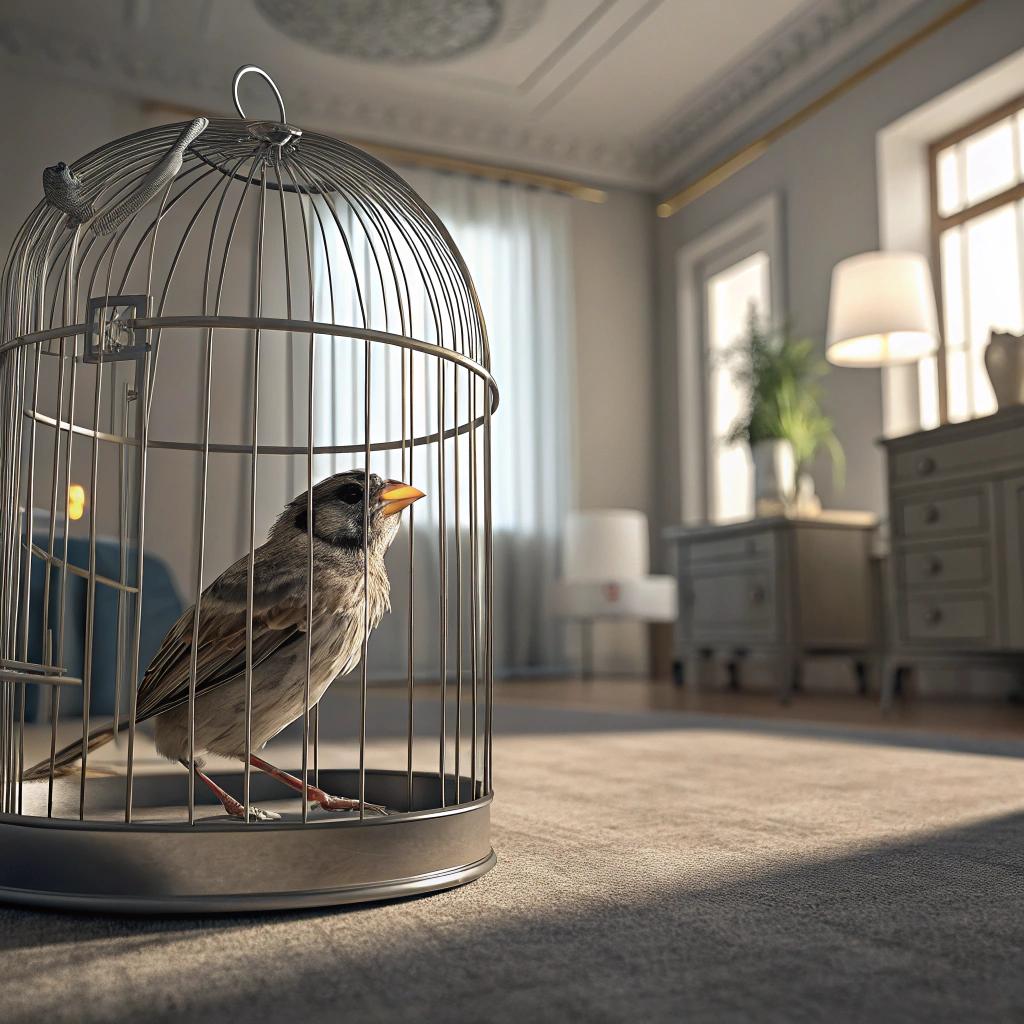
1) Underestimating Space Requirements – Many new bird owners think a small cage is sufficient, but birds need room to spread their wings and move freely.Research the size and exercise needs of your specific bird species to ensure they have an appropriate living environment
One of the most common missteps among novice bird owners is the assumption that a small cage will suffice for their feathered friends. Birds, regardless of size, thrive when they have ample space to exercise and display natural behaviors. It’s not just about having a cage that fits your home décor; it’s about ensuring that your bird can stretch its wings, climb, and engage in playful activities. A cramped environment can lead to stress, boredom, and various health issues.To avoid this pitfall, take the time to research the specific needs of your bird species, as different types require differing amounts of space.
Moreover,choosing a cage with the right dimensions is crucial,but it’s equally important to consider the layout and enrichment within it. Incorporating perches of varying heights, toys that stimulate mental engagement, and safe, removable accessories can substantially enhance your bird’s living experience. Here’s a brief table that highlights space recommendations based on bird species to provide clarity:
| Bird Species | Minimum Cage Size (inches) | Exercise Recommendations |
|---|---|---|
| Budgerigar | 24 x 18 x 18 | Out of cage for 2+ hours daily |
| Cockatiel | 30 x 24 x 24 | Daily flight opportunities in a safe area |
| African Gray | 36 x 24 x 36 | Regular supervised exercise time |
| Macaw | 48 x 36 x 48 | Extensive daily flight time and interaction |
By equipping your feathered friend with an appropriately sized cage and dedicated exercise time, you foster not just a healthy habitat but also a lively and stimulating environment. Remember, a well-exercised and content bird is a happy companion.
2) Ignoring Social needs – Birds are highly social creatures that thrive on interaction. New owners often overlook the importance of socialization, which can lead to boredom and behavioral issues. Spend quality time with your bird daily or consider keeping a companion bird for social enrichment
Birds are incredibly social animals that thrive in environments where they receive ample interaction, both from their human companions and potential fellow avian friends. New bird owners frequently enough underestimate how crucial this aspect is,leading their feathered companions to experience loneliness and even depression. If your bird isn’t getting enough social stimulation, you may notice signs of boredom such as excessive screaming, feather plucking, or destructive behavior. To foster a happy and healthy life for your bird, make it a habit to spend quality time engaging in activities together. This could include talking, playing, or even training sessions that strengthen your bond and keep their minds active.
Consider enriching your bird’s life by introducing a companion bird. The right pairing can not only provide endless entertainment but also reduce stress and make your pet feel more secure. When choosing a companion, ensure that the species and personalities are compatible to create a peaceful environment. Here are a few tips for selecting a suitable social companion:
| Bird Species | social Needs |
|---|---|
| Parakeets | highly social; thrive in pairs |
| cockatiels | Enjoy companionship; often bond with other birds |
| African Greys | Intelligent; need mental stimulation and social interaction |
| Lovebirds | Highly affectionate; should ideally be kept in pairs |
3) Incorrect Diet Choices – A common mistake is feeding birds a seed-only diet, which can lead to nutritional deficiencies. Learn about your bird’s specific dietary needs, including fruits, vegetables, and pellets, to promote optimal health and well-being
One of the most frequent errors made by new bird owners is the assumption that a seed-only diet is sufficient for their feathered friends. While seeds can be a delightful treat,relying on them exclusively can lead to nutritional imbalances and deficiencies. Birds,much like humans,require a diverse,balanced diet to stay healthy. Without the right mixture, birds may miss out on vital nutrients that keep them vibrant and full of life. To support a well-rounded diet, it’s essential to introduce a variety of foods, including:
- Fresh fruits: Apples, berries, and bananas are great options.
- Vegetables: Leafy greens like kale and spinach along with colorful veggies like bell peppers.
- Pellets: High-quality pellets created specifically for your bird’s species.
By incorporating these elements into your bird’s diet, you not only promote optimal health but also keep mealtime engaging and captivating for your pet. To help you visualize the necessary elements, here’s a simple overview of suitable foods categorized by type:
| food Type | examples |
|---|---|
| Fruits | Apples, Berries, Pears |
| vegetables | Carrots, Peas, Broccoli |
| Pellets | Species-specific formulated pellets |
4) Skipping Regular Vet Visits – Many new bird owners assume their pets don’t need regular veterinary care. It’s crucial to schedule check-ups with an avian vet to catch any health issues early and ensure your bird is thriving
one of the most important oversights that new bird owners often make is neglecting routine veterinary check-ups. Unlike cats or dogs, birds are prey animals, and they have a natural instinct to hide any signs of illness until they are severely compromised. Regular visits to an avian veterinarian can help identify minor health concerns before they escalate into serious issues.During a check-up,the vet will perform health assessments,discuss dietary needs,and ensure that your feathered friend is receiving appropriate care.This proactive approach is your best safeguard against undetected ailments.
It’s essential to recognise what a standard vet visit might involve, so you can be prepared. Consider creating a schedule for these check-ups, perhaps similar to a table that lays out your bird’s vaccination or check-up requirements. Here’s a simple guide to help you remember key aspects of avian health care:
| Check-Up Frequency | Purpose |
|---|---|
| Once a year | general health assessment and vaccination |
| Every 6 months | Wing and beak trimming (if necessary) |
| As needed | Address specific health concerns or changes in behavior |
By prioritizing these visits, you not only safeguard your bird’s health but also deepen the bond between you and your pet. Early detection of potential issues can lead to more effective treatments and a longer, happier life for your avian companion.
5) Overlooked Environmental Hazards – New owners may not realize that certain household items can be toxic to birds, such as non-stick cookware, certain plants, and common cleaning supplies. Educate yourself about potential hazards to create a safe living environment
When welcoming a new feathered friend into your home, many owners focus primarily on diet, habitat, and socialization, but the invisible threats can often be overlooked. Non-stick cookware is a prime suspect, as it can release toxic fumes when heated, which can be fatal to birds. even everyday cleaning products can harbor hidden dangers. Fumes from bleach, ammonia, and other strong chemicals can irritate respiratory systems and create a hazardous living environment. To ensure your bird’s safety, consider switching to bird-safe alternatives that are free from harsh chemicals.
Additionally, certain household plants possess harmful qualities that can endanger your avian companion. While greenery adds aesthetic appeal to your living space, it’s important to be aware of which plants are toxic. Consider avoiding these common culprits:
| Plant | Toxic Parts |
|---|---|
| Philodendron | All parts |
| Lily of the Valley | All parts |
| Dieffenbachia (Dumb Cane) | All parts |
| Aloe Vera | Leaf gel |
| Azalea | Leaves and flowers |
By recognizing these overlooked hazards and taking proactive steps to eliminate them, you will be well on your way to fostering a bird-friendly home. Remember that prevention is key, and a little research can go a long way in ensuring a safe haven for your avian family member.
6) Too Much Stress During the adjustment Period – New birds require time to acclimate to their new surroundings. Rushing the process or overwhelming them with too much handling can cause stress. Allow your bird to explore at their own pace and gradually introduce them to new experiences
When welcoming a new feathered friend into your home, it’s crucial to remember that they are not just pets but sensitive creatures. Each bird comes with its unique temperament and personality, requiring a tailored approach to their introduction to your home. Overhandling and hurrying the adjustment period can quickly lead to stress, which can manifest in various ways—from excessive vocalization to noticeable changes in their eating habits. To foster a healthy bond with your new bird, allow them the liberty to be curious and explore their environment on their own terms.
During the initial days, creating a sanctuary where they feel safe is key. Consider these tactics to help them acclimate smoothly:
- Keep the noise level low: Avoid loud sounds and sudden movements near their cage.
- Limit interactions: Allow them to observe you first before engaging directly.
- Introduce new objects gradually: Whether it’s toys or perches, bring in things one at a time.
Pay close attention to their body language; signs of distress such as puffing up, backing away, or biting can indicate it’s time to step back. Remember, patience is the name of the game. Below is a simple table outlining bird behaviors to watch for:
| Behavior | Meaning |
|---|---|
| Puffing feathers | Feeling threatened or uncomfortable |
| Chirping softly | Curious or exploring |
| Hiding | Need for space or feeling unsafe |
7) Neglecting Mental Stimulation – Birds are intelligent animals that require mental enrichment to stay happy and healthy. New owners might forget to provide toys and activities. Invest in a variety of toys and rotate them regularly to keep your bird engaged
Many new bird owners may overlook the critical aspect of mental stimulation, which is essential for their feathered companions’ well-being. Birds are not just pets; they are highly intelligent creatures that thrive on social interaction, problem-solving, and exploratory play. To truly enrich your bird’s environment, it’s important to provide a range of toys that cater to their instincts. Consider incorporating items like foraging toys, which challenge them to locate treats, or toys that encourage manipulation, such as bells and ropes. Rotating these toys every few weeks keeps things fresh and engaging, preventing boredom that can lead to stress and behavioral issues.
Moreover, competition between mental and physical stimulation is key to your bird’s happiness. consider implementing activities that mimic natural behaviors, like a parrot training session or a winged playdate with other birds.It’s beneficial to expose them to puzzles that require cognitive effort or even simple games like hide-and-seek with their favorite treats. To help you plan the mental enrichment schedule, here’s a handy table that lists some engaging activities along with their frequency:
| Activity | frequency |
|---|---|
| Rotate Toys | Every 2 weeks |
| Training Sessions | 3 times a week |
| Foraging Opportunities | Daily |
| Supervised Playdates | Weekly |
8) Failing to Establish a Routine – Birds thrive on routine and predictability. Inconsistent feeding, sleep, and playtimes can make them anxious. Develop a daily schedule to provide your bird with a sense of security and stability
Establishing a consistent routine is essential for your feathered friend’s wellbeing. Birds are creatures of habit, and they thrive on patterns that make them feel secure. When their daily activities are unpredictable, it can lead to stress and anxiety, causing behavioral issues.To create a sense of stability, consider factors such as feeding times, play sessions, and sleep schedules. For instance, fitting feeding times within a specific window each day helps your bird anticipate meals, whereas a consistent bedtime allows them to feel safe and ready for rest.
To implement an effective routine, you might find it helpful to maintain a structured timetable. Here’s an example of how you could organise a typical day for your bird:
| time | Activity |
|---|---|
| 8:00 AM | Feeding |
| 9:00 AM | Social Interaction/Playtime |
| 12:00 PM | Quiet Time/Rest |
| 5:00 PM | Second Feeding |
| 7:00 PM | wind-down/Playtime |
| 8:00 PM | Bedtime |
In addition to the daily schedule, it’s beneficial to stick to activities they can count on weekly, such as dedicated training days or specific toys they’ll interact with regularly. By giving your bird a reliable structure, you offer them a sense of security, which can lead to a happier and healthier existence. Adopting this approach fosters trust between you and your pet, allowing them to flourish in an environment where they know what to expect.
Q&A
10 Common Mistakes New Bird Owners Make and How to Avoid Them
What are the most common mistakes that new bird owners make?
New bird owners often fall into several traps that can affect their pet’s health and happiness. Understanding these pitfalls can lead to a more fulfilling experience for both the owner and the bird.
1. Are birds always social animals?
Not all bird species are social to the same degree. While some species thrive on interaction, others may prefer solitude. Research your bird’s specific needs and understand its social behavior.
2. how critically important is diet for my bird?
Diet is crucial! Common mistakes include feeding seeds exclusively. Birds require a balanced diet that includes pellets, fresh fruits, and vegetables to stay healthy.Consult your vet about the best diet for your species.
3. Should I use a cage without any toys?
A cage lacking stimulation is a recipe for boredom. Ensure to provide your bird with a variety of toys and perches. Rotate them regularly to keep your pet engaged and avoid destructive behaviors.
4. How often should I clean my bird’s cage?
Regular cleaning is essential. daily spot cleaning combined with a more thorough weekly clean helps prevent the build-up of harmful bacteria and maintains a healthy environment for your bird.
5. Is it okay to let my bird fly around unsupervised?
Supervision is key! While allowing your bird to fly is important, doing so unsupervised can lead to accidents. Make sure the space is safe and free from hazards before letting your bird explore.
6. Do I need to provide my bird with a veterinary check-up?
Absolutely, regular vet visits are vital! Just like any pet, birds require annual check-ups to monitor their health and catch any potential issues early.
7. Can I train my bird like a dog?
Training requires patience and different techniques. Birds can be trained, but it’s critically important to use species-appropriate methods. Focus on positive reinforcement, and keep training sessions short and fun!
8. Is it necessary to give my bird access to sunlight?
Natural sunlight is critically important for their well-being. Exposure to sunlight helps with vitamin D absorption, which is crucial for healthy bones. Use bird-safe glass for windows or consider a UV light if natural light is not available.
9. Should I handle my bird immediately after bringing it home?
No,give your bird time to adjust. Allow your new pet a few days to acclimate to its surroundings before attempting to handle it. Building trust takes time,so be patient.
10. Can I mix species in one cage?
Mixing species can be risky. Not all birds get along; some can be aggressive towards others. It’s generally safest to house birds of the same species or those known to coexist peacefully.
In Retrospect
As we wrap up our exploration of the top 10 common mistakes new bird owners make, it’s essential to remember that every feathered friend comes with its own unique set of needs and personality traits. By arming yourself with knowledge and guidance, you can create a nurturing environment for your pet that fosters health, happiness, and harmony. Mistakes are merely stepping stones toward becoming a more confident and informed bird owner.
Embrace the journey, learn from the ups and downs, and always keep your bird’s well-being at the forefront. With patience, dedication, and a little love, you and your avian companion can build a rewarding bond that soars to new heights. So, feather your nest, and fly confidently into the world of bird ownership—you’re now equipped to avoid those pitfalls and make the most of your time together! Happy birding!


27 Comments
This is such an important topic for new bird owners! Proper care and understanding of their needs can make a huge difference in their health and happiness.
Great insights! It’s crucial for new bird owners to be aware of these common pitfalls to ensure their feathered friends live long and fulfilling lives.
These tips are incredibly helpful; many new owners might not realize how vital proper bird care is, and avoiding these mistakes can truly enhance the bond between them and their pets.
These mistakes can easily be overlooked, but educating ourselves about bird care is essential for their well-being; I appreciate the clear guidance offered in this post for fostering a nurturing environment.
Thank you for sharing these valuable tips! Understanding the needs and behaviors of birds is key to their happiness, and this post provides a great foundation for new owners to build on their care skills.
I appreciate the insights in this post; recognizing and avoiding these common mistakes can significantly improve a new bird owner’s experience and help create a loving home for their avian companions.
This post is a fantastic resource for those just starting their journey with birds; it’s easy to make mistakes when you’re unfamiliar with the unique needs of our feathered friends, and knowing how to avoid them makes a world of difference in creating a healthy and happy environment.
This article is a must-read for anyone considering bringing a bird into their home; understanding and addressing these common pitfalls not only ensures the well-being of the birds but also enriches the owners’ experiences and strengthens the bond between them and their avian friends.
This is an invaluable guide for new bird owners; by highlighting these common missteps and how to sidestep them, we can ensure a more fulfilling relationship with our feathered companions while promoting their health and happiness.
This is an essential read for anyone new to bird ownership; by learning to navigate these common errors, owners can foster a healthier and more harmonious environment for their pets, ultimately enriching both their and their birds’ lives.
This guide is incredibly helpful for new bird owners; by understanding these common mistakes and how to prevent them, individuals can provide a much better quality of life for their birds while also enjoying a more rewarding companionship.
This article is a valuable resource that can guide new bird owners in making informed decisions; recognizing these common mistakes and learning how to avoid them plays a crucial role in nurturing a happy and healthy environment for both the birds and their owners.
This post serves as a crucial reminder for new bird owners about the pitfalls they might encounter; by acknowledging and proactively addressing these mistakes, we can cultivate a brighter future for our birds and enhance the overall experience of pet ownership.
This article is a must-read for new bird owners; understanding these mistakes and learning how to avoid them is key to establishing a nurturing home for your birds, leading to a stronger bond and a happier life for both pets and owners.
This article highlights important insights for new bird owners, emphasizing that awareness of these common mistakes can significantly improve the care and well-being of our feathered friends, leading to a more fulfilling pet ownership experience.
This article provides essential guidance for newcomers in aviculture; by being aware of common mistakes and knowing how to sidestep them, new bird owners can ensure a thriving and happy environment for their pets, ultimately enhancing the joy of bird ownership.
This insightful article is an invaluable tool for new bird owners, as it delves into the frequent pitfalls they may encounter, and provides practical strategies to overcome these challenges, fostering a more successful and rewarding companionship with their avian friends.
This article is a fantastic resource for anyone new to bird ownership, as it clearly outlines the common missteps that could hinder the well-being of our birds and offers actionable tips to create a safe and enjoyable environment, ultimately leading to a deeper connection with our avian companions.
This article serves as a crucial guide for anyone stepping into the world of bird ownership, addressing vital missteps that can impact the health and happiness of our birds, while providing clear solutions to ensure a positive experience for both the pets and their owners.
This article is a must-read for anyone new to having birds; it effectively identifies critical errors that can affect their care and well-being, offering valuable tips that empower owners to create a nurturing and enriching environment for their feathered companions.
This article is a vital resource for novice bird owners, highlighting typical errors that can compromise their pets’ welfare while offering insightful advice on how to prevent these mistakes, thereby fostering a more fulfilling and harmonious relationship with their birds.
This article is an excellent guide for new bird owners, as it sheds light on the frequent mistakes made and offers practical advice to help cultivate a healthy and enriching atmosphere for their birds, ultimately enhancing the bond between pet and owner.
This article is an indispensable tool for new bird owners, as it highlights the common pitfalls that can negatively affect their pets’ quality of life and presents practical strategies for avoiding these mistakes, ensuring that both birds and their owners can thrive together in a loving and supportive environment.
This article is an essential read for new bird owners, as it clearly outlines the common missteps that can hinder their birds’ well-being and offers straightforward solutions to help ensure a fulfilling and caring environment for both the birds and their owners.
This article serves as a crucial resource for new bird owners, pinpointing the common errors that can lead to health and behavioral issues in their pets, while providing actionable advice to help cultivate a safe and stimulating environment that benefits both birds and their caretakers.
This article is a must-read for new bird owners, adeptly identifying the frequent misjudgments that can adversely impact their pets’ health and happiness, while providing clear, practical guidance to help create an enriching environment that nurtures both birds and their caregivers.
This article is a valuable guide for new bird owners, addressing critical missteps that can impact their birds’ well-being and providing concise, effective solutions to foster a nurturing and supportive environment that benefits both pets and their owners.