

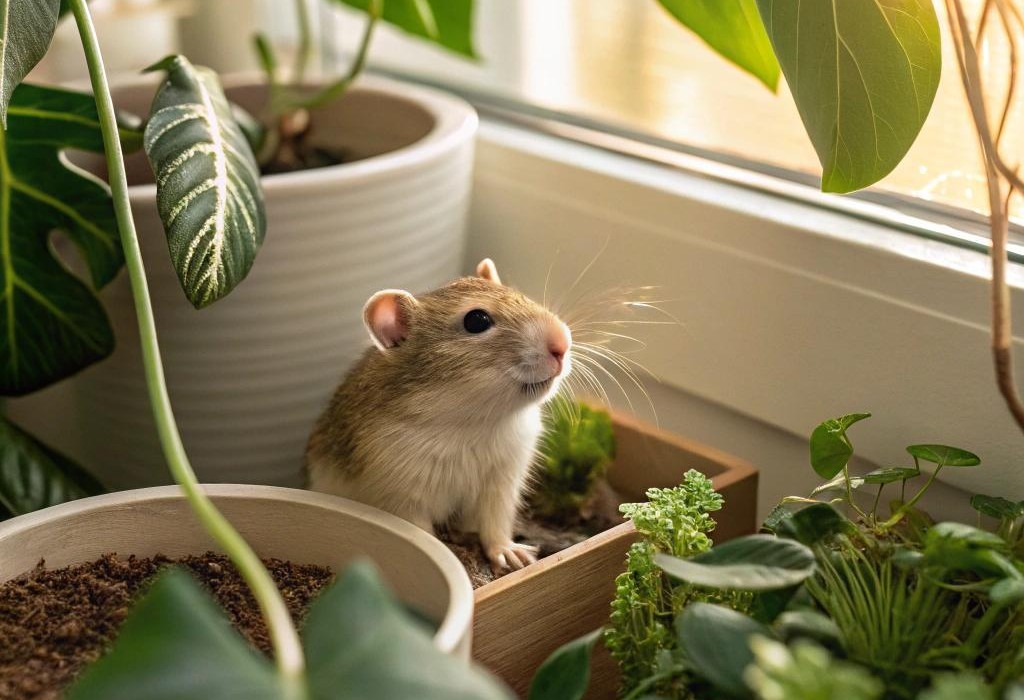
10 Essential Tips for First-Time Gerbil Care Success
Welcoming a furry freind into your home can be one of the moast rewarding experiences, and for first-time pet owners, gerbils offer a delightful introduction to the world of small mammals. These lively little creatures are not only charming but also relatively low-maintenance, making them perfect companions for kids and adults alike. However, even the most delightful pets come with their own set of care requirements. To ensure a smooth start in your journey with your new gerbil, we’ve compiled a list of 10 essential tips for first-time gerbil care success. From understanding their dietary needs to creating the perfect habitat, this guide will equip you with the knowledge you need to foster a happy, healthy environment for your new pet.Prepare to gain insights that will not only enhance your gerbil’s well-being but also enrich your experience as a devoted pet owner!
Table of Contents
- 1) Understand Their Habitat Needs: Providing a suitable environment is crucial for your gerbil’s health and happiness. Opt for a spacious cage with good ventilation, ensuring it allows for plenty of burrowing space and substrate depth.
- 2) Choose the Right Bedding: Gerbils love to dig! Use safe and absorbent bedding like paper-based or aspen shavings to keep their living space comfortable and help control odors while allowing them to express their natural behaviors.
- 3) balanced Diet is Key: Feed your gerbils a quality diet that includes pelleted food, fresh veggies, and occasional treats like seeds. This will ensure they receive the right nutrients to thrive and maintain their energy levels.
- 4) Fresh Water Always: Hydration is essential for your furry friends. Always provide fresh water in a bottle or a shallow dish, and change it daily to keep it clean and appealing for your gerbils.
- 5) Social Creatures: Gerbils are social animals that thrive in pairs or small groups. Consider adopting a pair of same-sex gerbils to ensure they have companionship and engage in playful interactions, reducing stress and loneliness.
- 6) Introduce Gradually: If you opt for a pair of gerbils, introduce them in a neutral territory to minimize territorial disputes. Monitor their interactions closely during the first few meetings to ensure a harmonious bond develops.
- 7) Regular Cleaning Routine: While gerbils are relatively clean creatures, maintaining their habitat is essential. Establish a regular cleaning schedule, removing soiled bedding and waste while replacing it with fresh material to keep their environment healthy.
- 8) Provide Enrichment: Stimulate your gerbils’ minds and bodies with toys and tunnels. Safe chew toys,exercise wheels,and climbing structures will keep them entertained and promote natural behaviors,leading to happier pets.
- Q&A
- Closing Remarks
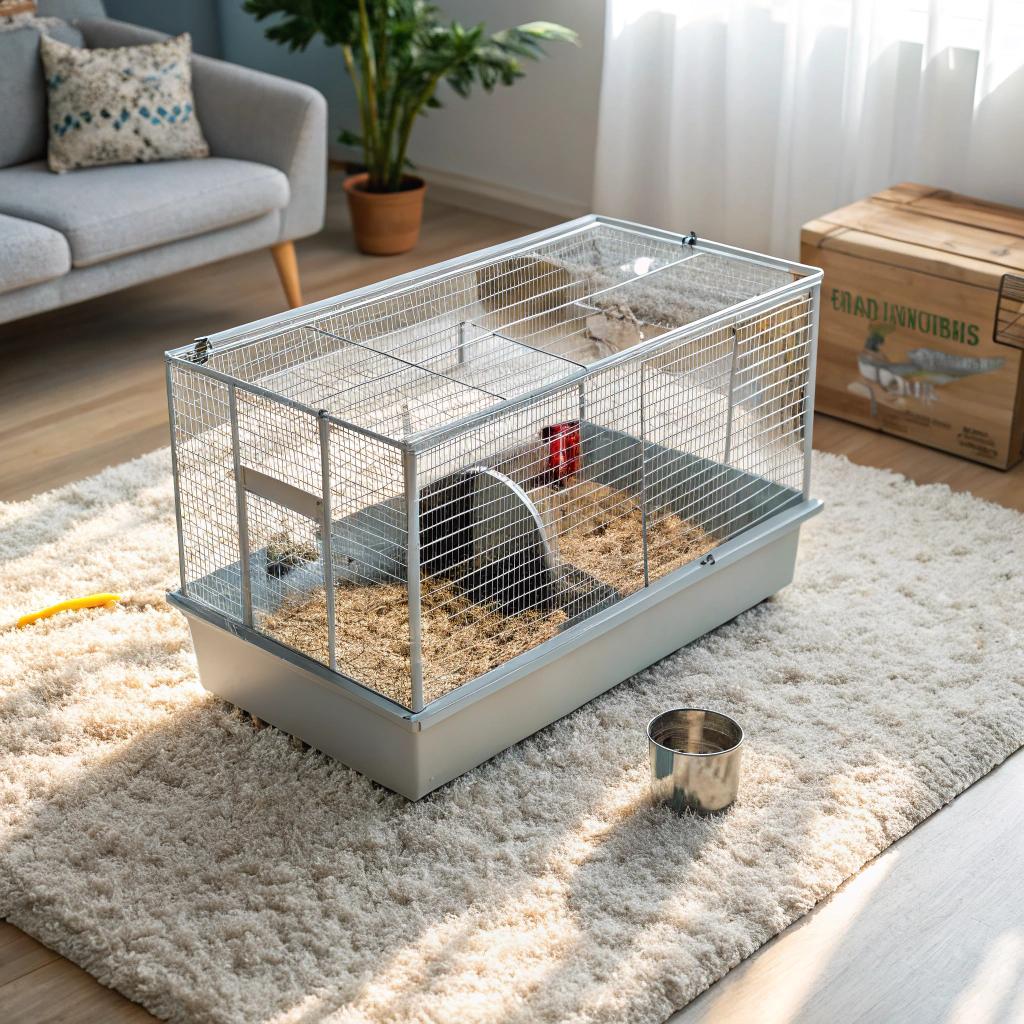
1) Understand Their Habitat Needs: Providing a suitable environment is crucial for your gerbil’s health and happiness. Opt for a spacious cage with good ventilation, ensuring it allows for plenty of burrowing space and substrate depth
to ensure your gerbil thrives, it is indeed crucial to replicate its natural habitat as closely as possible. Start with a spacious cage, ideally measuring at least 24 inches long, 12 inches wide, and 12 inches high. this allows your gerbil enough room to explore and play.Look for cages that offer good ventilation and multiple levels, as gerbils are naturally curious creatures who enjoy climbing and tunneling. Remember to incorporate plenty of natural materials, such as aspen shavings or paper-based bedding, which not only provide comfort but also mimic the burrowing environments they are accustomed to.
Creating an enriching environment goes beyond just the flooring. Provide ample burrowing space by allowing for a substrate depth of at least 6 inches. This encourages your gerbil’s instinct to dig and can help alleviate stress. Consider adding elements like biodegradable houses or tunnels made from cardboard, as these will excite their natural instincts. Additionally, ensure the habitat is free from chemical-laden items, opting rather for natural toys and accessories to keep their space safe and inviting. A well-designed habitat plays a vital role in keeping your furry friend healthy and content.
2) Choose the Right Bedding: Gerbils love to dig! Use safe and absorbent bedding like paper-based or aspen shavings to keep their living space comfortable and help control odors while allowing them to express their natural behaviors
Creating a cozy habitat for your gerbil goes beyond essential food and water; the right bedding plays a crucial role in their well-being. Gerbils are natural diggers and love to burrow, so selecting bedding that allows them to express this behavior is crucial. Opt for materials that are both safe and absorbent, such as:
- Paper-based bedding: Soft, lightweight, and largely dust-free, making it easy for your gerbil to dig and nest.
- Aspen shavings: A popular choice that provides a natural feel and absorbs moisture effectively, keeping your pet’s environment clean and dry.
While choosing bedding, it’s essential to avoid materials that may pose health risks. Steer clear of cedar or pine shavings, as these can be harmful to your gerbil’s respiratory system. When you set up their living space, aim for a depth of at least 4 to 6 inches of bedding, giving your gerbil ample room to tunnel. This not only encourages natural behaviors but also helps control odors, ensuring a fresh and inviting environment for both you and your furry friend.
3) Balanced Diet is Key: Feed your gerbils a quality diet that includes pelleted food, fresh veggies, and occasional treats like seeds. This will ensure they receive the right nutrients to thrive and maintain their energy levels
Providing a balanced diet is crucial for your gerbil’s health and happiness. Start with high-quality pelleted food, specifically formulated for gerbils, which ensures they receive the essential vitamins and minerals for optimal growth. Alongside this, incorporating fresh vegetables into their diet will not only satisfy their taste buds but also enrich their nutritional intake. Leafy greens, carrots, and bell peppers are excellent choices, as they bring variety and hydration to your pet’s meals. Always wash and chop the veggies into small pieces to make it easier for your furry friend to enjoy them without choking hazards.
Along with the staple pelleted food and veggies,consider providing occasional treats to keep your gerbils engaged and satisfied. small amounts of seeds, such as sunflower or pumpkin seeds, can be delightful rewards, but remember to offer them sparingly to avoid any weight gain. Always monitor your gerbil’s weight and adjust their portions accordingly. Here’s a simple guide to help you visualize an ideal gerbil diet:
| Category | Examples | Frequency |
|---|---|---|
| Pelleted Food | specialized gerbil pellets | Daily |
| Fresh Vegetables | Carrots, greens, bell peppers | 3-4 times a week |
| Treats | Seeds, dried fruits | Occasionally (once a week) |
4) Fresh Water Always: Hydration is essential for your furry friends. Always provide fresh water in a bottle or a shallow dish, and change it daily to keep it clean and appealing for your gerbils
Keeping your gerbils hydrated is crucial to their health and happiness. They may be small, but just like us, they rely heavily on water for their bodily functions. Ensure that your furry friends have access to clean, fresh water at all times. You can choose between using a water bottle, which has the benefit of reducing spills and keeping the bedding dry, or a shallow dish that encourages natural drinking behavior. If you opt for a dish, make sure it has low sides so your gerbils can easily access it without the risk of tipping over. irrespective of the option you choose, it’s vital to change the water daily, as stagnant water can attract bacteria and toxins that coudl harm your pets.
Consider investing in a water bottle with a sipper tube that can be securely attached to the side of their enclosure.This prevents waste and keeps the water clean from bedding debris. Additionally, setting a routine can help you remember to check and refresh their water supply. Look out for signs of dehydration, such as lethargy or dry skin, and be proactive in ensuring that their hydration needs are met. Implementing such simple practices can lead to a notable improvement in your gerbil’s well-being, fostering a happier and healthier living environment.
5) Social Creatures: Gerbils are social animals that thrive in pairs or small groups. Consider adopting a pair of same-sex gerbils to ensure they have companionship and engage in playful interactions, reducing stress and loneliness
Gerbils are inherently social creatures that flourish in the company of their own kind. While they are charming and entertaining on their own, the presence of a buddy can significantly enhance their quality of life. This interaction not only stimulates their playful nature but also provides essential socialization, which is critical to their mental well-being. When selecting gerbils, consider adopting a couple of same-sex companions. This pairing reduces the risk of loneliness and encourages a more vibrant, active lifestyle as they engage in delightful antics together.
Engaging in social playtime can take many forms, leading to a well-rounded gerbil experience. Some fun activities include:
- Chasing and wrestling – Watch as they playfully dart around their enclosure.
- Shared burrowing – Creating a cozy habitat together fosters bond-building.
- Cuddling – No creature is too tough for a warm snuggle among friends!
By ensuring your gerbils have a companion, they are less likely to exhibit signs of stress or loneliness, which can be detrimental to their health and happiness. The right company not only boosts their mood but enriches the bond you can form with them as a dedicated pet owner.
6) Introduce Gradually: If you opt for a pair of gerbils, introduce them in a neutral territory to minimize territorial disputes. Monitor their interactions closely during the first few meetings to ensure a harmonious bond develops
When inviting a new furry friend into your gerbil family, it’s crucial to set the stage for a peaceful introduction. Start by selecting a neutral territory—an area that neither gerbil considers their own. This approach helps to eliminate any pre-existing territorial behavior that could spark conflicts. Prepare the space by ensuring it is indeed free from obstacles and familiar scents.Introducing them to each other in this kind of ‘blank slate’ environment encourages a more amicable meeting. Over the course of these initial introductions, observe their body language closely. Look for signs of interest, such as sniffing, versus signs of aggression, such as puffing up or aggressive posturing.
During these first few interactions, it’s beneficial to make the introductions short and sweet.You might want to keep initial meetings around 10 to 15 minutes. Gradually increase the duration as they begin to feel more comfortable around one another. If you notice any hostility or tension, it’s wise to separate them and try again later. To assist with your observations,consider using a simple chart to keep track of their behavior. A table can definitely help you note specific actions during each session. Here’s a straightforward template:
| Meeting Number | Duration | Positive Interactions | negative signals |
|---|---|---|---|
| 1 | 10 min | Sniffing, Curiosity | Puffing, Hissing |
| 2 | 15 min | playful chasing | Nipping |
By maintaining a record of their interactions, you can make informed decisions about future meetings and adjust your approach as needed, fostering a lasting friendship between your new and existing pets.
7) Regular Cleaning Routine: While gerbils are relatively clean creatures, maintaining their habitat is essential. Establish a regular cleaning schedule, removing soiled bedding and waste while replacing it with fresh material to keep their environment healthy
Creating and maintaining a clean habitat is crucial for the health and happiness of your gerbils. Although these little creatures are naturally tidy, they still rely on you to provide a clean environment. Establish a cleaning schedule that fits your routine, ideally weekly or bi-weekly, to ensure that their space remains hygienic. Start by removing soiled bedding and any visible waste, which can accumulate quickly and lead to unwanted odors. You can also spot clean daily to keep their habitat fresh, ensuring that any mess is dealt with promptly.
When replacing the bedding, it’s best to use safe, dust-free materials such as shredded paper, aspen shavings, or commercial bedding designed for small pets. Avoid cedar and pine shavings, as they can be harmful to your gerbil’s respiratory health. To enhance their environment further, consider rotating their toys and hiding spots during cleaning.This not only keeps their habitat clean but also stimulates their curiosity, allowing them to explore a refreshed setup. By prioritizing cleanliness and care, you’ll create a delightful home for your furry companions.
8) Provide Enrichment: Stimulate your gerbils’ minds and bodies with toys and tunnels. Safe chew toys, exercise wheels, and climbing structures will keep them entertained and promote natural behaviors, leading to happier pets
Transform your gerbil’s habitat into a lively paradise where their minds and bodies can thrive. Providing a variety of toys and tunnels will not only keep your furry friends entertained but also encourage them to engage in their natural behaviors. Consider introducing a mix of items to stimulate their curiosity and promote physical activity:
- Safe Chew Toys: Essential for dental health,these toys satisfy your gerbils’ instinct to gnaw.
- Exercise Wheels: A great way to burn off excess energy, choose a wheel designed specifically for small rodents to ensure safety.
- Climbing Structures: Elevated platforms or ladders provide a fun challenge, encouraging climbing and exploration.
- Tunnels: Gerbils love to burrow, so adding tunnels can mimic their natural habitat and provide hours of exploration.
To create a balanced environment that caters to their well-being, it’s helpful to rotate enrichment items regularly. This not only keeps boredom at bay but also allows your pets to experience new activities and challenges. You can follow this simple table to understand the benefits of each enrichment type:
| Enrichment Type | Benefits |
|---|---|
| Safe Chew Toys | Promote dental health |
| Exercise Wheels | Encourage physical activity |
| Climbing Structures | Foster exploration |
| Tunnels | Simulate natural burrowing |
Q&A
10 Essential Tips for First-Time Gerbil Care Success
Q1: What is the best habitat setup for my new gerbil?
A spacious and secure cage is crucial for your gerbil’s happiness. Here’s what to consider:
- Size: Aim for a cage that is at least 24” x 12” x 12” to allow for adequate movement.
- Material: Glass or sturdy plastic cages are ideal, as gerbils love to dig.
- Substrate: Use aspen shavings or a paper-based bedding, avoiding cedar and pine due to harmful oils.
- Enrichment: Provide tunnels, chew toys, and hiding spots to stimulate their natural behaviors.
Q2: What should I feed my gerbil?
A balanced diet is the cornerstone of your gerbil’s health. Here’s a guideline for their nutrition:
- Pellets: Choose high-quality gerbil pellets as the main food source.
- Seeds: Offer a mix of seeds such as sunflower and pumpkin seeds but in moderation.
- Fresh Vegetables: Small portions of carrots, broccoli, or kale can be given occasionally.
- Water: Fresh and clean water should always be available; use a water bottle with a sipper tube.
Q3: How often do I need to clean my gerbil’s cage?
Cage cleanliness promotes your gerbil’s well-being. Follow these cleaning tips:
- Spot Clean: Remove soiled bedding and waste daily.
- Full Clean: Completely clean the cage every 1-2 weeks, replacing bedding and disinfecting surfaces.
- Replace Enrichment: rotate toys and tunnels regularly to keep the environment stimulating.
Q4: how can I handle my gerbil properly?
Gentle and secure handling is key to building trust with your pet. Here’s how to do it:
- Build Trust: Allow them to explore your hand first before picking them up.
- secure Grip: Scoop them up gently using both hands, providing support underneath.
- Calm Environment: Hold them in a quiet space to help them feel secure.
Q5: Can gerbils be kept in pairs or groups?
Gerbils are social animals and typically thrive in pairs or groups, provided they are:
- Same Sex: Ensure they are both males or females to prevent unwanted breeding.
- Gently Introduced: Introduce them in a neutral space to minimize territorial disputes.
- size of Cage: Ensure your cage is large enough to comfortably house more than one gerbil.
Q6: What are the signs of a healthy gerbil?
Monitoring your gerbil’s health is essential. Look for these signs:
- Activity Level: They should be curious, active, and playful.
- Coat Quality: A soft, clean coat with no bald patches indicates good health.
- eating Behavior: Regular eating and drinking habits are signs of a healthy gerbil.
Q7: how can I recognize and deal with behavioral issues?
Understanding your gerbil’s behavior is vital for a happy pet. Watch for:
- Digging: It’s natural; provide acceptable areas to dig.
- Biting: Frequently enough a sign of fear or stress; handle them gently and frequently to build trust.
- Nocturnal Activity: Gerbils are naturally active at night, so ensure they have a quiet space during the day.
Q8: What health care do gerbils need?
Regular check-ups can help keep your gerbil healthy. Consider these tips:
- Vet Visits: Consult a veterinarian who specializes in small animals for regular check-ups.
- Signs of Illness: Be vigilant for changes in appetite, behavior, or weight.
- Dental Care: Monitor their teeth and ensure they have chew toys to prevent overgrowth.
Q9: How can I enrich my gerbil’s life?
Mental stimulation is crucial for keeping your gerbil happy. Try these enrichment ideas:
- Toys: Provide chew toys made from safe materials.
- Tunnels: Use cardboard tubes or commercial tunnels for exploration.
- obstacle Courses: Create simple courses using various items for them to navigate.
Q10: what is the expected lifespan of a gerbil?
Gerbils generally live between 2 to 4 years. To ensure a long, healthy life for your pet:
- Diet & Care: Provide proper nutrition and regular veterinary care.
- Stress-Free Environment: Minimize stressors and create a safe home.
- Regular interaction: Spend quality time handling and playing with them to strengthen your bond.
Closing Remarks
As you embark on your journey as a proud gerbil owner, remember that every small step you take toward understanding and nurturing these lively little creatures will lead to a rewarding and fulfilling experience.Each tip outlined in our list has been designed not only to guide you but also to deepen the bond between you and your furry companion. By providing your gerbil with the right environment, diet, and care, you set the stage for a happy and healthy life together.
Embrace the joyful chaos that comes with their curious antics,and don’t hesitate to adapt your approach as you learn and grow alongside your new pet. The rewards of patience, observation, and love will undoubtedly create cherished memories. Here’s to the beginning of your adventure in gerbil care—may it be filled with squeaks of joy and moments of discovery!



24 Comments
Great tips! I’ve always wanted to keep gerbils, and this guide is super helpful for beginners like me.
These tips are really informative! I appreciate the focus on diet and habitat, as those are crucial for keeping our little friends happy and healthy.
I’ve been thinking about getting gerbils for a while now, and these tips provide a fantastic foundation for understanding their needs and ensuring a smooth start to their care.
These tips are an excellent starting point for anyone considering gerbil ownership; I wish I had this info when I first got mine, it would have made the transition so much easier.
These tips are invaluable for new gerbil owners; having clear guidance on their care makes all the difference in ensuring they thrive in their new home.
These essential tips for first-time gerbil care offer incredible insights that will undoubtedly help new owners create a nurturing environment for their pets, ensuring both happiness and health from the start.
This guide is a must-read for anyone new to gerbil care; it breaks down important aspects in a clear and concise way, making it easier for first-time owners to understand their responsibilities and provide the best care possible.
I appreciate how these tips emphasize the importance of understanding gerbil behavior and diet; having this knowledge can significantly enhance the bond between new owners and their furry companions.
This article is a fantastic resource, providing crucial information that can empower new gerbil owners to make informed decisions right from the start, fostering a happy and healthy pet experience.
This article provides a comprehensive overview that not only highlights the basics of gerbil care but also inspires confidence in new owners, helping them establish a loving and supportive environment for their pets.
This article is invaluable for first-time gerbil owners, as it not only covers the key aspects of care but also encourages readers to engage actively with their pets, paving the way for a rewarding and enriching experience.
These tips are incredibly helpful for beginners, as they not only clarify the essentials of gerbil care but also highlight the joys of building a strong relationship with these delightful pets.
This guide is an excellent starting point for anyone new to gerbil care, as it combines practical advice with insights into their unique behaviors, ensuring that prospective owners feel prepared and excited about welcoming their new pets into their homes.
These tips are essential for ensuring new gerbil owners feel confident and prepared to provide a nurturing environment, ultimately leading to a fulfilling companionship with their furry friends.
These tips are a fantastic resource for newcomers to the world of gerbils, offering a well-rounded approach to care that promotes both the health of the animals and the joy of pet ownership.
These essential tips provide a solid foundation for anyone starting their journey with gerbils, emphasizing the importance of understanding their needs and behaviors to ensure a happy and healthy life for these charming little creatures.
This post delivers crucial information that will undoubtedly help first-time gerbil owners avoid common mistakes and foster a lasting bond with their pets, making the transition into gerbil care feel much more manageable.
This guide is a must-read for first-time gerbil caregivers, offering valuable insights that can simplify the learning process and enhance the overall experience of raising these delightful pets.
This post is an invaluable resource for first-time gerbil owners, as it covers key aspects of care that will help newcomers create a safe, enriching environment and develop a strong relationship with their gerbils from the start.
This guide is incredibly helpful for first-time gerbil owners, as it highlights important aspects of gerbil care that can significantly enhance the quality of life for both pets and their caregivers, ensuring a rewarding experience for everyone involved.
This article is a fantastic guide for anyone new to gerbil care, offering practical advice that not only addresses the basic needs of gerbils but also encourages a deeper understanding of their behavior, which is key to fostering a happy and stimulating environment for these curious pets.
This article is a comprehensive and accessible introduction to gerbil care, equipping new owners with essential knowledge to ensure their pets thrive while also emphasizing the importance of understanding gerbil behavior for a harmonious home environment.
This article provides crucial insights for novice gerbil owners, effectively outlining care essentials that can lead to a successful and enjoyable experience while fostering a deeper appreciation for these fascinating creatures.
This guide is a vital tool for first-time gerbil caregivers, offering clear and practical tips that not only simplify the care process but also promote a deeper connection with these lively animals, ensuring a positive experience for both pets and owners.