

10 Essential Insights on Chinchillas as Pets: Pros & Cons
10 Essential Insights on Chinchillas as Pets: pros & Cons
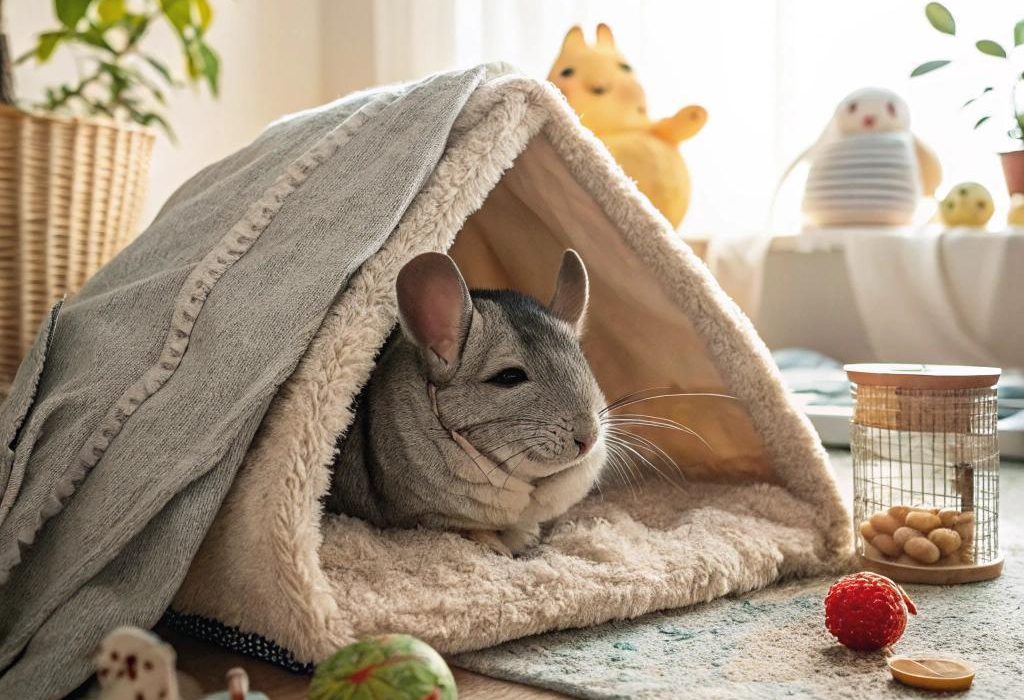
If you’ve ever been enchanted by the irresistibly fluffy allure of chinchillas, you’re not alone. These small, nocturnal wonders have captured the hearts of pet enthusiasts around the world with their curious personalities and soft, plush fur. However, before you dive into the world of chinchilla companionship, it’s essential to weigh both the delights and the responsibilities that come with these unique pets. In this listicle, we will uncover 10 essential insights into the pros and cons of keeping chinchillas. From their playful antics to their specialized care needs, you’ll learn what makes them so special and what challenges you might face as a chinchilla owner. Whether you’re considering adoption or simply curious about these charming creatures, our comprehensive guide will prepare you with the knowledge to make an informed decision about inviting one of these delightful critters into your home.
Table of Contents
- 1) Social Creatures: Chinchillas thrive in social environments and often do best in pairs. This trait can enhance their happiness but requires extra consideration for their care and social needs.
- 2) Nocturnal Nature: Being active during the night, chinchillas often make playful companions for night owls. However, their nocturnal lifestyle may not align well with owners who prefer daytime interaction.
- 3) Dust Bathing Essentials: chinchillas require regular dust baths to maintain healthy fur. This unique grooming ritual is not only vital for their hygiene but also provides entertainment, turning bath time into a joyful event.
- 4) Space Requirements: These furry friends need a sizeable cage with multi-levels for climbing and exploration. Ensure you have adequate space to meet their activity needs, or you could face a bored and stressed pet.
- 5) limited Diet: A specialized diet rich in hay, pellets, and occasional treats is essential for chinchillas. Understanding their dietary restrictions is crucial to keeping them healthy and avoiding serious health issues.
- 6) Handling and Temperament: While often curious and playful, chinchillas can be skittish and sensitive to handling. Patience and gentle interaction are key to forming a trusting relationship with your pet.
- 7) Lifespan Longevity: Chinchillas can live up to 10-20 years, making them a long-term commitment. Potential owners should be ready for the time investment and responsibility that comes with caring for these delightful creatures.
- 8) Limited Availability: Chinchillas may not be as commonly found at pet stores as other small pets. Prospective owners might need to seek specialized breeders or rescues, which can add to the commitment involved in their acquisition.
- 9) Health Considerations: Chinchillas can be prone to specific health issues, including dental problems and respiratory distress. Regular vet check-ups are vital to ensure they remain healthy and vibrant.
- 10) Quiet Companions: Known for their gentle nature and low noise levels,chinchillas are perfect for apartment living or shared spaces. Those seeking a more peaceful pet will find these quiet critters to be a perfect match.
- Q&A
- To Wrap It Up
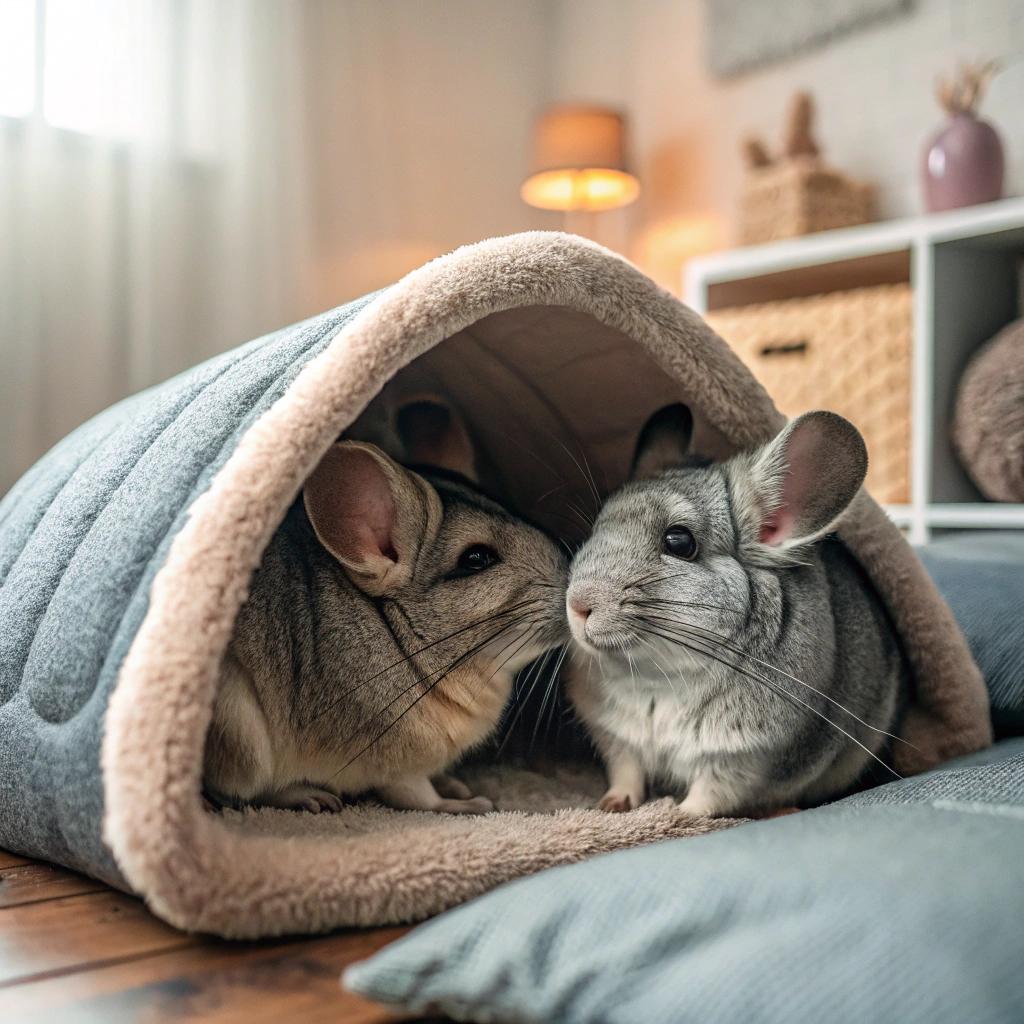
1) Social Creatures: Chinchillas thrive in social environments and often do best in pairs.This trait can enhance their happiness but requires extra consideration for their care and social needs
Chinchillas are inherently social beings and significantly benefit from companionship. Keeping them in pairs can definitely help alleviate feelings of loneliness, which is essential given their natural instincts to live in groups. This social nature not only enhances their overall happiness but also encourages mental stimulation and playfulness. When considering adopting multiple chinchillas, it’s crucial to ensure that they are of the same gender to avoid unwanted breeding, unless you are prepared to manage that responsibility. By maintaining a harmonious pair, chinchillas can engage in activities like grooming and playful chases, which contribute to both their physical and emotional well-being.
However, taking care of two or more chinchillas requires additional consideration for their social needs and living environment. Potential chinchilla owners should be aware that this companionship will necessitate a larger space for them to thrive. Providing enough room in a multi-level cage equipped with various toys, chew items, and hiding spots can support their active lifestyle. Here are some essential care tips to keep in mind for pairs of chinchillas:
- Compatibility: Introduce new chinchillas gradually to prevent territorial disputes.
- Social Interaction: Spend quality time with them individually and together to strengthen bonds.
- Dietary Needs: Ensure both chinchillas receive a balanced diet, adjusting portions as necessary.
- Health Monitoring: Regularly check for signs of stress or health issues, especially in a pair dynamic.
2) Nocturnal Nature: Being active during the night, chinchillas often make playful companions for night owls. However, their nocturnal lifestyle may not align well with owners who prefer daytime interaction
Chinchillas are little bundles of energy that thrive when the moon takes center stage. Their natural inclination to be active at night means they often engage in playful antics and delightful behaviors while their human counterparts are winding down for the day. For night owls or individuals with flexible schedules, this nocturnal charm can be quite appealing. Watching a chinchilla dance and explore in the calm of the evening can create a unique bond between pet and owner, leading to moments of joy as you witness their joyous leaps and playful chases.Though, this lively nighttime routine can come with challenges for those who prefer the sunlit hours. The sounds of their activities, such as hopping and jumping around their cages, might disrupt the sleep of a daytime-oriented owner.
If you find yourself curious about the compatibility of chinchillas with your lifestyle, consider these factors:
- Adjusting Routines: Owners may need to adapt their daily schedules to ensure quality interaction time.
- Noise Levels: Be prepared for nighttime noises that may disturb your peace if you value quiet hours.
- Feeding and Care Timing: Evening feedings and care should align with their active hours for optimal interaction.
To illustrate the bedtime behaviors, here’s a fast overview:
| Chinchilla Activity Time | Owner Interaction |
|---|---|
| 7 PM - 11 PM | Playtime and bonding |
| 11 PM – 2 AM | Exploring and exercising |
| 2 AM onward | Possibly disruptive sounds |
3) dust Bathing Essentials: Chinchillas require regular dust baths to maintain healthy fur. this unique grooming ritual is not only vital for their hygiene but also provides entertainment, turning bath time into a joyful event
For chinchillas, a dust bath is not just a grooming necessity; it’s a delightful ritual that brings joy to both the pet and its owner. This activity helps remove excess oils and moisture from their dense fur, which can easily trap dirt and debris. Think of it as a spa day for your furry friend! To set up the perfect dust bath experience, consider the following essentials:
- specialized Dust: Invest in high-quality chinchilla dust to ensure their fur gets adequately cleaned and conditioned. avoid using sand or other materials, as these can cause irritation.
- Bath House: A secure and spacious bath house will encourage your chinchilla to roll, flip, and frolic in their dust. choose a model that’s easy to clean and refill.
- scheduled Baths: A routine of 2-3 dust baths per week keeps your chinchilla’s fur in top condition without overdoing it, which can lead to dry skin.
During bath time, you’ll witness a playful spectacle as your chinchilla dives and flips joyously in the dust. Just make sure to monitor their sessions, as too much dust can lead to respiratory issues.It’s also an excellent possibility for bonding; you can sit calmly nearby, allowing your pet to know that they are safe and loved. Incorporating these essentials into bath time not only ensures a clean chinchilla but also reinforces a routine that contributes to their happiness and well-being.
4) Space Requirements: These furry friends need a sizeable cage with multi-levels for climbing and exploration. Ensure you have adequate space to meet their activity needs, or you could face a bored and stressed pet
Chinchillas are incredibly active and curious creatures that thrive in a dynamic environment.to ensure they remain happy and healthy, it’s crucial to provide them with a spacious cage that has multiple levels. These furry friends love to climb, explore, and jump, so a multi-tiered setup mimics their natural habitat and supports their energetic lifestyle. If their living space is limited, you could end up with a bored chinchilla, which may lead to stress and undesirable behaviors like excessive chewing or digging. Remember, creating an enriching environment is essential for their well-being.
When selecting a suitable cage, look for options that offer a variety of features such as climbing ramps, hammocks, and platforms. These stimulate their natural instincts and provide opportunities for exercise. Ensure the layout allows for both horizontal and vertical movement, as chinchillas are great climbers. Here are some key elements to consider when setting up their living space:
- Minimum Cage Size: At least 2 feet wide,2 feet deep,and 4 feet high.
- Multi-Level Design: Include platforms or shelves for climbing.
- Secure Structure: Ensure it’s made of sturdy materials to withstand their chewing habits.
- Proper Ventilation: Good airflow is essential to maintain a comfortable climate.
Here’s a quick reference guide to help you select the right cage:
| Feature | Importance |
|---|---|
| Multi-Level Platforms | Encourages climbing and exploration. |
| Large Floor Space | Provides room for activities and toys. |
| Safe Materials | Prevents any harm from chewing. |
5) Limited Diet: A specialized diet rich in hay, pellets, and occasional treats is essential for chinchillas. Understanding their dietary restrictions is crucial to keeping them healthy and avoiding serious health issues
Chinchillas thrive on a carefully curated diet that is fundamental to their well-being. To ensure these adorable furballs stay healthy, their meals should predominantly consist of:
- High-quality hay: This serves as the cornerstone of their nutrition, crucial for digestive health and dental wear.
- Pellets: A concentrated source of nutrients specifically formulated for chinchillas, pellets provide the essential vitamins and minerals needed for sustained vitality.
- Occasional treats: While they can occasionally indulge in treats like dried fruits or treats made from safe ingredients, moderation is key to prevent obesity and other health issues.
Being well-informed about dietary restrictions is vital for chinchilla care. They have sensitive digestive systems, and improper feeding can lead to severe complications. Below is a simple overview of what to avoid when feeding your pet chinchilla:
| Food to Avoid | Reason |
|---|---|
| Fruits high in sugar | Can cause diarrhea and obesity. |
| Vegetables | May lead to digestive upset. |
| Grains and seeds | High fat content, risk of obesity. |
| Dairy products | Lactose intolerant, can cause stomach issues. |
6) Handling and Temperament: While often curious and playful, chinchillas can be skittish and sensitive to handling. Patience and gentle interaction are key to forming a trusting relationship with your pet
Chinchillas are known for their curious and playful nature, making them engaging companions. Though, their skittish temperament frequently enough requires careful handling. These small furballs thrive in environments where they feel secure and comfortable.To build a trusting relationship with your chinchilla, consider the following tips:
- Start Slow: Begin with short, gentle interactions to let your chinchilla acclimate to your presence.
- Use Treats: Offer small treats to create positive associations with handling.
- Respect Their Space: Allow your chinchilla to approach you at its own pace rather than forcing interaction.
Understanding and respecting their sensitive nature is crucial. Chinchillas may display signs of stress if overwhelmed, so patience is paramount. As you develop a bond, you may notice increases in playful and affectionate behavior, including:
| Behavior | meaning |
|---|---|
| Jumping | Excitement or playful mood |
| Chirping | Contentment or communication |
| Fur Ruffling | Feeling secure and happy |
By approaching your chinchilla with patience and understanding, you’ll foster a loving environment where your pet can thrive. building this connection not only enhances their quality of life but also allows you to enjoy the delightful quirks and charm that only a chinchilla can bring into your home.
7) Lifespan Longevity: Chinchillas can live up to 10-20 years, making them a long-term commitment. Potential owners should be ready for the time investment and responsibility that comes with caring for these delightful creatures
Chinchillas are not only adorable companions but also a notable time commitment. With a lifespan ranging from 10 to 20 years, potential owners should consider whether they are ready for a long-term relationship with these fluffy friends.Unlike some pets that may have shorter life spans, chinchillas can become part of your family for a decade or more, necessitating thoughtful planning for their care. This includes not only day-to-day responsibilities but also the need to provide a stable environment throughout their lives,particularly as they age.to fully embrace their longevity, it’s essential for prospective owners to evaluate their lifestyle and commitment level. Here are some key factors to ponder:
- Time Investment: Daily attention and care are crucial for a happy and healthy chinchilla.
- Financial Responsibility: Budget for food, bedding, and occasional veterinary visits over many years.
- Emotional Commitment: Be prepared to bond with your pet, as they require affection and social interaction.
A long lifespan means you will likely experience various phases of a chinchilla’s life, from their playful youth to their more mellow adult years. This journey can be incredibly rewarding, filled with unique behaviors and interactions that will create lasting memories. Make sure you’re up for the challenge, as caring for a chinchilla is not just about the present—it’s about making a promise to your pet for the years to come.
8) Limited Availability: Chinchillas may not be as commonly found at pet stores as other small pets. Prospective owners might need to seek specialized breeders or rescues, which can add to the commitment involved in their acquisition
When considering adding a chinchilla to your family, it’s critically important to note that they aren’t as readily available as more common small pets like hamsters or guinea pigs.This can lead to a more involved acquisition process, as prospective owners might need to connect with specialized breeders or local rescues. Finding a reputable source is crucial, not just for ensuring the health and well-being of the new pet but also for understanding the specific care requirements that chinchillas entail. Many general pet stores may not have the expertise necessary to address these needs adequately.
Moreover, this limited availability can meen a longer wait before you bring your new furry friend home. Many responsible breeders maintain waiting lists or may have limited litters each year. Therefore, it’s essential to be patient and persistent if you’re set on adopting a chinchilla. It’s worth it, though, as you’ll ensure a healthy and well-cared-for pet. Below is a brief overview of considerations that can enhance your experience when seeking to welcome a chinchilla into your life:
| factor | Description |
|---|---|
| Checklists | Make a list of questions for breeders to ensure they are reputable and ethical. |
| Health Screenings | Ask about any health checks performed on the chinchillas before selling. |
| Adoption Rescues | Research local rescues that may have chinchillas available for adoption. |
9) Health Considerations: Chinchillas can be prone to specific health issues, including dental problems and respiratory distress. Regular vet check-ups are vital to ensure they remain healthy and vibrant
Chinchillas might seem like the picture of health, with their plush fur and playful antics, but they can be susceptible to certain health issues that every prospective owner should be aware of. Dental problems are particularly common in these small mammals,as their continuously growing teeth require constant wear. If not appropriately managed, overgrown teeth can lead to painful abscesses and serious complications. This can be mitigated through proper diet, including high-fiber hay and chewable toys.
Another concern is respiratory distress, often a byproduct of poor environmental conditions. Chinchillas thrive in cool, dry environments, free from drafts and excessive humidity. A well-ventilated cage that’s also easy to clean can help minimize the risk of illness. Regular vet check-ups are crucial to identify any early signs of these health issues; maintaining a good relationship with an exotic animal vet can make all the difference in your furry friend’s well-being. Consider scheduling biannual visits,where your vet can perform comprehensive health assessments,including dental checks and respiratory evaluations.
| Health Concern | Prevention Tips |
|---|---|
| Dental Problems | Provide unlimited hay and safe chew toys. |
| Respiratory Distress | Ensure a clean, cool, and dry living environment. |
10) Quiet Companions: Known for their gentle nature and low noise levels,chinchillas are perfect for apartment living or shared spaces.Those seeking a more peaceful pet will find these quiet critters to be a perfect match
For those living in close quarters or simply seeking a pet that won’t disrupt the peace, chinchillas offer a remarkably serene companionship. Their soft, delicate nature means they tend to be low on the noise scale, making them an excellent choice for apartment dwellers or individuals sharing living spaces. While some pets can be known for their boisterous antics or loud vocalizations, chinchillas are far more discreet, frequently enough communicating with each other through soft chirps and coos that are hardly audible to human ears. This allows you to enjoy the warmth of a pet’s presence without the constant background noise.
Not only do these charming rodents keep the volume down, but they also bring a sense of calm with their gentle demeanor. When considering a chinchilla as a pet, you’ll find that they thrive in quiet environments where they can feel secure. Here are some key traits that contribute to their zen-like appeal:
- Lower stress levels: Their quiet nature often reflects a less stressful lifestyle.
- Ideal for introverts: If you value peace and solitude,a chinchilla can be the perfect companion.
- No yapping or barking: Unlike dogs, they are not prone to sudden loud outbursts.
Q&A
10 Essential Insights on Chinchillas as Pets: Pros & Cons
What are the basic characteristics of chinchillas?
Chinchillas are small, furry rodents native to the Andes Mountains in South America. They are known for their dense, soft fur which keeps them insulated in their natural habitat. These nocturnal animals are social,curious,and highly active,requiring plenty of stimulation and space to thrive.
What are the main pros of keeping chinchillas as pets?
- Low Allergens: Unlike some furry pets, chinchillas produce fewer allergens, making them suitable for allergy sufferers.
- Long Lifespan: Chinchillas can live between 10 to 20 years, allowing for a long-term companionship.
- Quiet Nature: They are generally quiet animals, which can be ideal for apartment living.
- Unique personalities: Chinchillas are playful and can exhibit charming behaviors, making them endearing companions.
- Fur Care: Their fur does not require regular baths like dogs or cats, but they do need dust baths for hygiene.
what are the primary cons of having a chinchilla as a pet?
- Fragile Health: chinchillas can be susceptible to various health issues, requiring regular vet check-ups and care.
- Specialized Diet: They need a diet rich in hay and pellets specific for chinchillas, which can be harder to find in stores.
- Space Requirements: They require a large cage with plenty of vertical space and room to hop and play.
- Nocturnal Activity: as nocturnal animals, they might potentially be more active at night, potentially disturbing your sleep.
- Social Needs: Chinchillas thrive on companionship,whether from humans or other chinchillas,requiring time and interaction.
How much time do chinchillas need for social interaction?
Chinchillas are social creatures and require daily interaction to remain happy and healthy. This means spending quality time with them for play,grooming,and bonding. If left alone for extended periods,they may become stressed or bored.
What kind of habitat do chinchillas need?
Chinchillas need a spacious cage with multiple levels and plenty of enrichment activities. A minimum cage size is typically 24″ x 24″ x 36″, with platforms and shelves for climbing.Ensure the cage is made from sturdy materials, as chinchillas have a tendency to chew through some types of metal.
What should you include in a chinchilla’s diet?
The diet of a chinchilla primarily consists of high-quality hay, such as timothy hay, alongside specially formulated chinchilla pellets. Fresh vegetables can be offered in moderation, but avoid high-sugar fruits. Always ensure fresh water is available, and be mindful of treats that could upset their digestive system.
Are chinchillas good pets for children?
Chinchillas can be great pets for older children who understand the importance of gentle handling. However, they may not be the best choice for very young children since they are fragile and can be easily frightened. Supervision during interactions is essential to ensure both the chinchilla and the child feel comfortable and safe.
How do you care for a chinchilla’s fur?
Chinchillas have remarkably dense fur,which requires specific care to maintain its cleanliness and health. Rather of water baths, chinchillas need dust baths several times a week using special volcanic ash or chinchilla dust. This helps remove oil and dirt from their fur and keeps their coat in top condition.
What kind of toys do chinchillas enjoy?
Chinchillas love to chew and play,so providing them with a variety of toys is crucial. Look for items such as wooden chew toys, tunnels, and hammocks.Make sure any toys are safe and made from non-toxic materials, as chinchillas are known to be avid chewers.
Are chinchillas suitable for first-time pet owners?
While chinchillas can be rewarding pets,they may not be the best choice for first-time owners due to their specialized care requirements. Potential owners should do thorough research and be prepared to invest time in understanding their needs, habitat requirements, dietary restrictions, and social behaviors before bringing one home.
To Wrap It Up
as you weigh the pros and cons of welcoming a chinchilla into your home, it’s essential to remember that these charming creatures are as unique as their soft, velvety coats. With their playful demeanor and need for specialized care, chinchillas can be both a delightful and demanding addition to your life. Whether you’re enchanted by their quirky personalities or mindful of their specific needs, this guide has aimed to illuminate the multifaceted journey of pet ownership.
As you embark on this potential adventure,reflect on your lifestyle,resources,and commitment level to ensure a happy partnership with your future furry friend. If you’ve found the right balance, a chinchilla might just be the affectionate companion you’ve been searching for. Happy pet parenting!



30 Comments
I never realized how much care chinchillas need; this post really highlights the pros and cons effectively.
I’ve always been curious about having a chinchilla, and this article provides a balanced view that helps clarify what to expect when considering them as pets.
This article is incredibly informative and gives a great overview of chinchillas; it’s essential for any potential pet owner to understand both the joys and challenges before bringing one home.
This is a well-rounded article that really captures the unique characteristics of chinchillas; it’s perfect for anyone weighing their options about adopting one of these charming creatures.
This article is a fantastic resource for anyone interested in chinchillas; it clearly outlines what it takes to care for them, making it easier to make an informed decision before adopting.
This article does an excellent job of breaking down the complexities of having a chinchilla as a pet; it’s so helpful to see both the positives and the challenges laid out so clearly for prospective owners.
This article is a valuable guide for anyone thinking about bringing a chinchilla into their home; it effectively highlights both the benefits and potential drawbacks, which is crucial for making a wise decision.
This article provides a comprehensive look at chinchillas, covering crucial aspects that potential pet owners need to consider; it’s a well-researched and practical guide that anyone thinking about adding a chinchilla to their family should read.
This article offers a thorough examination of chinchillas as pets, presenting key insights that help potential owners understand their needs and the commitment involved; it’s definitely a worthwhile read before making a decision.
This article is a must-read for anyone considering a chinchilla as a pet; it provides balanced insights that help clarify the responsibilities and joys of chinchilla ownership, making it easier for potential pet owners to determine if they’re ready for the commitment.
This article is incredibly informative, striking a great balance between the advantages and challenges of chinchilla ownership; it’s essential for anyone contemplating this unique pet to fully understand what they’re getting into before making a decision.
This article is an excellent resource for prospective chinchilla owners, thoughtfully outlining both the pros and cons associated with caring for these unique pets; it’s essential reading for anyone serious about making an informed choice.
This article serves as an invaluable guide for those considering a chinchilla as a pet, effectively detailing the key pros and cons to assist potential owners in understanding the unique care requirements and lifestyle adjustments necessary for these charming creatures.
This article is a comprehensive overview of what it takes to care for a chinchilla, clearly outlining the important factors potential owners must consider, making it an essential read for anyone thinking about bringing one of these wonderful pets into their home.
This article is an excellent resource for anyone pondering chinchilla ownership, as it thoroughly details both the appealing aspects and potential challenges involved, ensuring that prospective owners are well-informed about what to expect.
This article provides a thorough analysis of chinchillas as pets, presenting a balanced view of the benefits and challenges, which is crucial for anyone considering adding one of these adorable animals to their family.
This article is an insightful and informative piece for anyone interested in chinchilla ownership, as it thoughtfully addresses the essential pros and cons, helping prospective pet owners make an educated decision about these delightful animals.
This article is a must-read for future chinchilla owners, as it succinctly highlights both the joys and responsibilities of pet ownership, ensuring that individuals are well-prepared for the commitment involved in caring for these fascinating animals.
This article is a valuable guide for prospective chinchilla owners, as it effectively covers the key advantages and disadvantages of having these unique pets, equipping readers with the knowledge they need to embark on their pet ownership journey wisely.
This article serves as a comprehensive guide for anyone considering adding a chinchilla to their home, acknowledging the unique characteristics and care requirements of these pets while offering a balanced perspective on their advantages and challenges.
This article is an excellent resource for those contemplating pet chinchillas, as it clearly outlines the essential aspects of their care and companionship, guiding potential owners toward making informed decisions about these adorable yet demanding pets.
This article provides a thorough overview of what it takes to care for chinchillas as pets, striking a great balance between the benefits and challenges, which is crucial for anyone considering these charming creatures for their home.
This article brilliantly captures the essence of chinchilla ownership, presenting a clear-eyed view of the joys and responsibilities that come with these unique pets, which is invaluable for anyone serious about making such a commitment.
This article expertly outlines the important factors to consider before bringing a chinchilla into your life, making it a must-read for anyone ready to embrace the joys and responsibilities that come with these delightful pets.
This article is a fantastic resource for prospective chinchilla owners, providing detailed insights into the specific needs and considerations of these pets, which helps to ensure that future owners can provide the best possible environment and care for their furry friends.
This article serves as an invaluable guide for anyone interested in chinchillas, effectively highlighting both the rewarding experiences and potential challenges of ownership, which is key for ensuring a well-informed journey into the world of these captivating pets.
This article is an essential read for anyone contemplating adding a chinchilla to their family, as it thoughtfully addresses both the advantages and potential drawbacks of chinchilla care, ensuring that readers have a well-rounded perspective before making such a significant decision.
This article provides an excellent overview of chinchilla care, balancing the charm and challenges of pet ownership, making it a crucial read for anyone considering welcoming these beautiful creatures into their home.
This article beautifully encapsulates the unique joys and responsibilities of chinchilla ownership, making it an essential read for those who want to ensure a happy and healthy life for their new pet while being fully aware of the commitments involved.
This article is a comprehensive guide that thoroughly examines the nuances of chinchilla ownership, making it an indispensable resource for anyone hoping to understand both the delights and responsibilities that come with having these fascinating pets.