

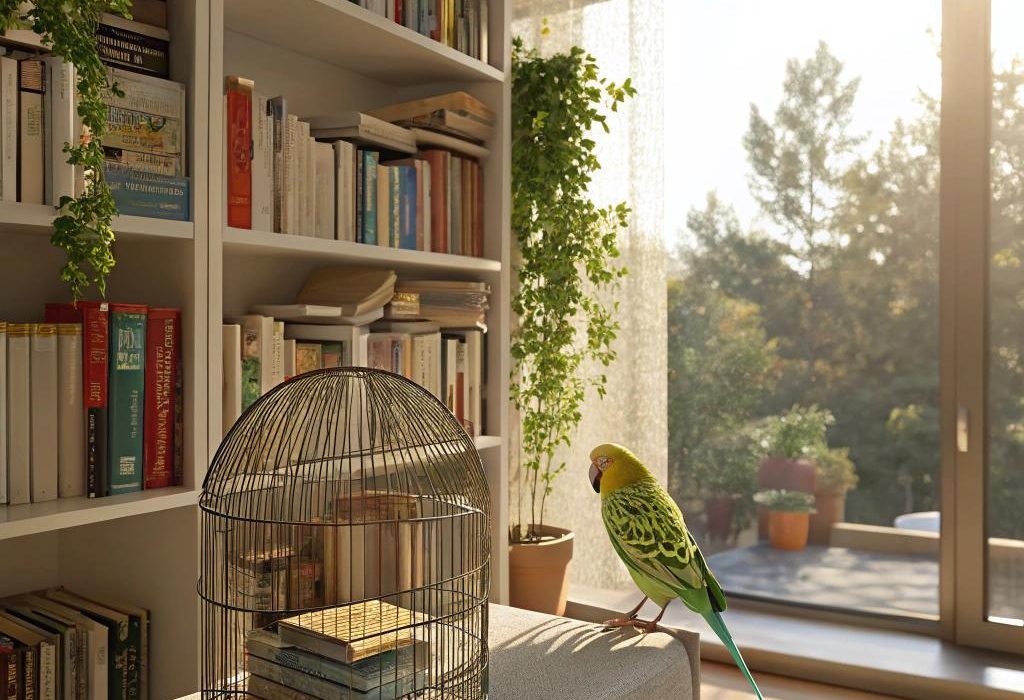
10 Essential Tips for Caring for Your Parakeet’s Health
10 Essential Tips for Caring for Your Parakeet’s Health
Caring for a parakeet can be a delightful experience, filled with the joyful sounds of chirping and the vibrant colors of your feathered friend. However, ensuring that your little companion stays healthy and happy requires more than just a cozy cage and a few toys.In this listicle, we will explore 10 essential tips that will empower you to provide the best possible care for your parakeet’s health and well-being. from understanding their dietary needs to recognizing signs of illness, each tip is designed to help you create a nurturing environment that fosters a long, vibrant life for your avian buddy. Whether you’re a seasoned bird owner or a first-time parakeet parent,you’ll gain valuable insights that will elevate your care routine and promote a thriving,healthful lifestyle for your feathery friend. Ready to take your parakeet care to the next level? Let’s dive in!
Table of Contents
- 1) Provide a Balanced Diet: Ensure your parakeet’s diet includes a variety of seeds, pellets, fruits, and vegetables to meet their nutritional needs and support overall health.
- 2) Fresh Water Daily: Make it a habit to change your parakeet’s water every day to keep it fresh and clean, preventing diseases and encouraging hydration.
- 3) Regular Cage Cleaning: Maintain a clean living environment by regularly washing the cage, removing droppings, and refreshing bedding, which helps prevent bacteria buildup.
- 4) Social Interaction: Spend quality time with your parakeet to stimulate their mental health. These social creatures thrive on interaction, so daily playtime and conversation are vital.
- 5) Exercise Opportunities: Encourage physical activity by providing plenty of toys and space for flying or climbing.Regular exercise keeps your parakeet fit and helps prevent obesity.
- 6) Routine Veterinary Check-ups: Schedule annual check-ups with an avian veterinarian to monitor your parakeet’s health and promptly address any potential issues.
- 7) Understand Body Language: Learn to recognize your parakeet’s body language and vocalizations. This awareness can definitely help you detect signs of stress,illness,or happiness.
- 8) Minimize stress: Create a calm environment for your parakeet by reducing loud noises, sudden movements, and introducing changes gradually to avoid overwhelming them.
- 9) Grooming and Nail Care: Provide opportunities for your parakeet to groom its feathers naturally, and regularly check and trim nails to avoid overgrowth and discomfort.
- 10) Bird-proof the home: Ensure your home is safe for your parakeet by removing potential hazards like toxic plants, open windows, and small objects that could be swallowed.
- Q&A
- Future Outlook
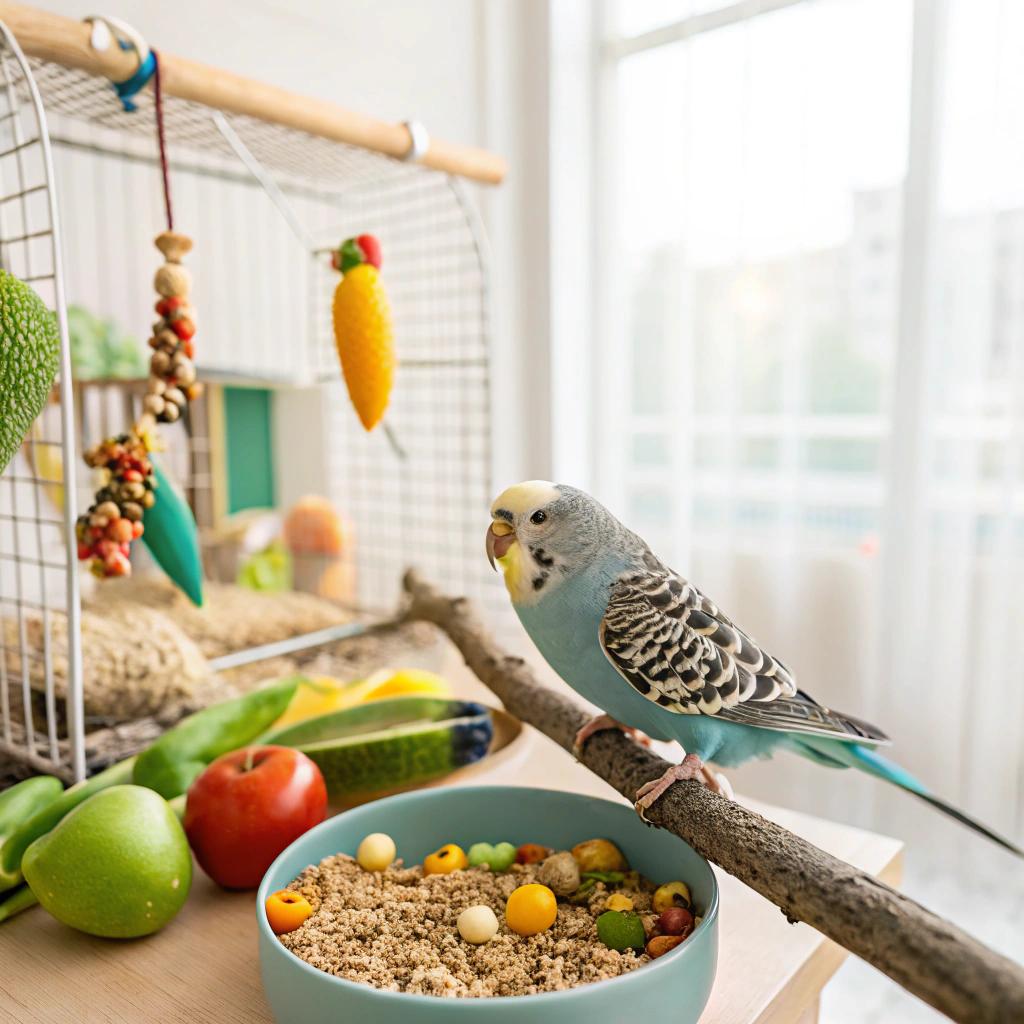
1) Provide a Balanced Diet: Ensure your parakeet’s diet includes a variety of seeds,pellets,fruits,and vegetables to meet their nutritional needs and support overall health
To keep your feathered friend happy and healthy,it’s essential to offer a well-rounded diet that mimics their natural feeding habits. A mix of high-quality seeds and nutritional pellets will serve as the foundation of your parakeet’s diet, providing them with necessary proteins and fats. Consider including a range of fresh fruits and vegetables to stave off boredom and ensure they receive essential vitamins. Some ideal options for your parakeet’s platter include:
- Leafy Greens: spinach, kale, and romaine lettuce
- Fruits: Apples, bananas, and berries
- Vegetables: Carrots, bell peppers, and broccoli
Moreover, it’s critically important to watch portion sizes to prevent overeating, as parakeets can easily become overweight. Introduce new foods gradually, allowing your parakeet to adjust and develop a liking for various tastes and textures. To better visualize their diet, consider creating a simple table that organizes the different food categories:
| Food Category | Examples | Benefits |
|---|---|---|
| Seeds | Millet, canary seeds | Energy-rich, enjoyable |
| Pellets | Fortified pellets | Nutritionally complete |
| Fruits | Oranges, grapes | Vitamins, hydration |
| vegetables | Peas, sweet corn | Fiber, minerals |
2) Fresh Water Daily: Make it a habit to change your parakeet’s water every day to keep it fresh and clean, preventing diseases and encouraging hydration
Providing fresh water for your parakeet is critical for its overall health and hydration. Establishing a daily routine of changing the water ensures that your feathered friend has constant access to clean drinking water. Stale or dirty water can lead to a host of health issues, including bacterial infections and dehydration, which can be detrimental to your parakeet’s well-being. When filling your parakeet’s water dish, it’s best to use purified or dechlorinated water to avoid any harmful chemicals found in tap water.Regularly rinsing the dish before refilling can also help maintain cleanliness.
To make this routine even easier, consider the following tips:
- Set a specific time each day for changing the water, such as first thing in the morning or before bed.
- Keep a spare water dish handy for speedy swaps.
- Monitor the water level throughout the day, especially during hot weather, to prevent your pet from going thirsty.
maintaining a consistent habit of providing fresh water not only hydrates your parakeet but also promotes its long-term health. In a simple way, a happy parakeet is a hydrated parakeet!
3) Regular Cage Cleaning: Maintain a clean living environment by regularly washing the cage, removing droppings, and refreshing bedding, which helps prevent bacteria buildup
A clean living environment is crucial for your parakeet’s overall health and well-being. Regularly washing the cage not only removes unsightly stains and odors but significantly decreases the risk of bacterial infections that could afflict your feathered friend. Aim to perform a thorough cleaning at least once a week,paying special attention to these areas:
- Perches and Toys: Remove and wash all perches and toys with warm,soapy water. Rinse thoroughly to eliminate any soap residue.
- Bedding: Refresh the bedding regularly by replacing soiled material with fresh, clean options to ensure your parakeet has a pleasant resting place.
- Food and Water Dishes: Clean dishes daily to prevent mold and bacteria buildup from leftover food and spilled water.
To help you keep track of your cleaning schedule, consider creating a simple cleaning checklist. this can serve as a useful reminder and ensure that no aspect of your parakeet’s cage goes overlooked.You might structure your checklist as follows:
| Cleaning Task | Frequency |
|---|---|
| Cage wipe-down | Weekly |
| Perch and toy wash | weekly |
| Bedding change | Bi-weekly |
| Food/water dish rinse | Daily |
4) Social Interaction: Spend quality time with your parakeet to stimulate their mental health. These social creatures thrive on interaction, so daily playtime and conversation are vital
Parakeets are not just pets; they are social beings that flourish on interaction and companionship. Daily playtime is essential for maintaining their mental well-being. You can provide mental stimulation through various activities, such as allowing your parakeet to explore a safe, bird-proofed area of your home. Incorporate toys that encourage physical activities, like swings and ladders, as well as puzzle toys that challenge their problem-solving skills. This not only keeps them entertained but also strengthens your bond. Don’t forget to dedicate some time to talking to your feathered friend—your voice can have a soothing effect, and they may even mimic some of your words over time, enhancing your connection further!
Consider establishing a routine for your interactions so your parakeet knows when to expect quality time with you. This predictability helps reduce stress and creates a sense of security for your bird. Bringing them out of their cage for some outside time is another great way to stimulate their senses. You can set up a bird-safe harness or a play gym where they can interact with you and their toys.Even a simple daily chat can go a long way; speak gently and share your day.Remember, the goal is to make your parakeet feel loved, understood, and part of the family, which is essential for their overall happiness and health.
5) Exercise Opportunities: Encourage physical activity by providing plenty of toys and space for flying or climbing. Regular exercise keeps your parakeet fit and helps prevent obesity
Providing ample opportunities for exercise is crucial for your parakeet’s overall health. Create an engaging environment with a variety of toys that stimulate their natural instincts. Consider incorporating items that allow for both flying and climbing, such as:
- Climbing ropes—these can be hung from the top of the cage, allowing your parakeet to climb and explore.
- Swings—a fun way for them to perch and get some exercise while moving back and forth.
- Tunnels—these encourage exploration and can be set up both inside and outside the cage.
- Perches of varying sizes—this develops foot strength and gives a great place to rest after flying around.
It’s essential to create a safe play area outside of their cage where they can freely exercise. A spacious room or an outdoor aviary with secure fencing can serve as the perfect setting. When letting your parakeet out, ensure the area is free of hazards, and supervise their activities. To keep things exciting, rotate their toys regularly to maintain their interest and promote physical activity. By ensuring that your feathered friend has access to both space and stimulating toys, you are not only preventing obesity but also encouraging mental enrichment, which is vital for their emotional well-being.
6) Routine Veterinary Check-ups: Schedule annual check-ups with an avian veterinarian to monitor your parakeet’s health and promptly address any potential issues
Regular veterinary visits are crucial for maintaining your parakeet’s health and well-being. An avian veterinarian specializes in specific conditions that affect birds,making them invaluable to your pet’s care. During these check-ups, your veterinarian will conduct thorough assessments that include weight checks, feather and skin examinations, and beak and nail trims. Each visit not only helps detect issues early but also allows for vaccinations and health screenings tailored to your bird’s needs.
Establishing a relationship with your avian vet promotes a stress-free environment, which can lead to better health outcomes for your feathered friend. Keep a record of your parakeet’s medical history, including vaccinations and any prior illnesses, to ensure comprehensive care. To make your visits more organized, consider following this simple checklist before heading to the clinic:
| Checklist Item | Status |
|---|---|
| Confirm Appointment | yes/no |
| Prepare Medical History | Yes/No |
| Collect fecal Sample (if needed) | Yes/No |
| Note any Behavioral Changes | Yes/No |
7) Understand body Language: Learn to recognize your parakeet’s body language and vocalizations. This awareness can definitely help you detect signs of stress, illness, or happiness
Parakeets, known for their vibrant colors and playful spirits, use a combination of body language and vocalizations to express their emotions. To keep your feathered friend happy and healthy, it’s essential to develop an understanding of these signals. Watch for the following behaviors that may indicate how your parakeet is feeling:
- Posture: A relaxed stance with slightly lowered wings signifies comfort,while puffed feathers may indicate stress or illness.
- Beak Movement: If your parakeet is chewing its beak, it’s a sign of contentment, whereas excessive or repetitive beak grinding might signal discomfort.
- Tail Movement: A tail that bobs up and down often indicates excitement or happiness, while a stiff tail can point towards fear or aggression.
- Vocalizations: Chirps and whistles show engagement, whereas sudden silence may suggest your parakeet is feeling unwell or withdrawn.
Keeping track of these cues is invaluable for ensuring your pet’s well-being. If you notice any drastic changes in their behavior, it could be time to consult a veterinarian. To further help in decoding your parakeet’s signals, here’s a simple table that summarizes common body language:
| Body Language | possible Interpretation |
|---|---|
| Puffed feathers | Feeling unwell or stressed |
| Chirping | Happy and engaged |
| Hunched Posture | Possible illness or discomfort |
| Swaying Head | Exploration or excitement |
8) Minimize Stress: Create a calm environment for your parakeet by reducing loud noises, sudden movements, and introducing changes gradually to avoid overwhelming them
Creating a serene environment is crucial for your parakeet’s well-being. these lively birds can easily become stressed by abrupt changes or loud surroundings. To ensure that your feathered friend feels comfortable and secure, consider implementing some of the following strategies:
- Dim Lighting: Keep the lighting soft in areas where your parakeet resides to foster a soothing atmosphere.
- Background Noise: consider playing soft music or ambient sounds at a low volume to mask sudden disruptions without being overwhelming.
- Consistent Placement: avoid moving your parakeet’s cage frequently to help them establish a sense of stability.
- Gentle Introductions: When introducing new toys or perches, do so gradually, allowing your parakeet time to adjust.
Observing your pet’s reactions is essential when modifying their environment. If you notice signs of discomfort, such as feather plucking or excessive vocalization, take it as a cue to reassess their surroundings. To help track your parakeet’s comfort levels, you might even consider maintaining a simple log with observations of their behavior in relation to any environmental changes:
| Date | Change Made | Parakeet Behavior |
|---|---|---|
| MM/DD | Introduced New Toy | Curious and Engaged |
| MM/DD | Moved Cage to New Location | Slightly Anxious |
| MM/DD | Changed Lighting | Relaxed and Calm |
9) Grooming and Nail Care: Provide opportunities for your parakeet to groom its feathers naturally, and regularly check and trim nails to avoid overgrowth and discomfort
Maintaining your parakeet’s plumage is essential for its overall health and happiness. Allow your feathered friend the chance to engage in natural grooming by providing perches with varied textures,such as natural wood or rope,that they can use to preen and care for their feathers. These surfaces mimic the types of environments parakeets would encounter in the wild, encouraging them to keep their plumage in top condition. additionally, you can enhance their grooming experience by introducing feather toys or grooming aids, like soft brushes, that they can interact with.
Regular nail care is just as crucial to your parakeet’s well-being. Overgrown nails can lead to discomfort, making it tough for your bird to perch or move around gracefully. Make it a habit to check your parakeet’s nails weekly for any signs of overgrowth and, if needed, trim them carefully. To help you keep track of your parakeet’s grooming schedule, consider using the table below:
| Task | Frequency | Notes |
|---|---|---|
| Check Feather Condition | Weekly | Look for tightly preened feathers and any signs of molting. |
| Trim Nails | Every 4-6 weeks | Use nail clippers designed for birds to avoid injury. |
| Provide grooming Perches | Always available | ensure a variety of textures for optimal grooming. |
10) Bird-proof the Home: Ensure your home is safe for your parakeet by removing potential hazards like toxic plants, open windows, and small objects that could be swallowed
Creating a safe haven for your parakeet is crucial for its well-being. Start by thoroughly inspecting your home for potential hazards that could endanger your feathered friend. Toxic plants, such as philodendron or oleander, should be removed from your living space.Always check if any new plant additions are safe for pets before bringing them home. Furthermore, secure open windows and ensure that screens are tightly fitted to prevent accidental escapes, which can lead to tragic outcomes.
Small objects around the house can pose a significant risk to curious parakeets. Items like buttons, rubber bands, and paperclips can easily be swallowed, leading to choking or severe internal damage. Set up an inspection routine to remove or store away any small household items that could be within your parakeet’s reach. Additionally, consider creating a designated play area that is both safe and stimulating, complete with chew toys, climbing structures, and perches made from bird-safe materials. This way, you not only protect your bird but also provide an engaging environment to thrive in.
Q&A
10 Essential tips for Caring for Your Parakeet’s Health
Q1: what should I feed my parakeet for optimal health?
A: A balanced diet is crucial for your parakeet’s well-being. Consider the following options:
- High-quality pellets: These should serve as the base of their diet, providing essential nutrients.
- Fresh fruits and vegetables: Offer a variety such as carrots, apples, and leafy greens to provide vitamins and minerals.
- Seeds: While seeds are a favourite, they should only be a small part of the diet to prevent obesity.
Q2: how can I ensure my parakeet gets enough exercise?
A: Parakeets are active birds that need regular exercise to stay healthy. Here are some tips:
- Provide a spacious cage: Ensure the cage is large enough for them to move and stretch their wings.
- Out-of-cage time: Allow supervised time outside the cage in a safe environment.
- Toys and perches: Incorporate climbing toys and various perches to encourage movement.
Q3: What signs indicate my parakeet might be ill?
A: Keeping an eye on your parakeet’s behavior is essential. Watch for these signs of illness:
- Fluffed feathers: This may indicate they are cold or unwell.
- Changes in appetite: A sudden loss of interest in food can be a red flag.
- Excessive sleeping: While parakeets do need rest, a significant increase could signal health issues.
Q4: How critically important is regular vet check-up for my parakeet?
A: Regular vet visits are vital for preventive care. Here’s why:
- Early detection: Routine check-ups can catch health issues before they become severe.
- Vaccinations: Keeping them updated on necessary vaccinations helps prevent disease.
- Expert advice: Vets can provide tailored tips for your parakeet’s specific needs and diet.
Q5: What kind of environment is best for my parakeet?
A: Creating a conducive environment is key to your parakeet’s health. Consider these factors:
- Natural light: Place their cage in a well-lit area but away from direct sunlight to avoid overheating.
- Air circulation: Ensure good airflow without drafts that could harm their health.
- Noise levels: Keep their space relatively quiet to reduce stress.
Q6: How can I keep my parakeet mentally stimulated?
A: Mental stimulation is essential for your parakeet’s overall happiness. Try these activities:
- Interactive toys: Purchase toys that challenge them to solve puzzles and keep them engaged.
- Training sessions: Teach them simple tricks or commands using positive reinforcement.
- Social interaction: Spend time talking or playing with them, as they thrive on companionship.
Q7: What are the risks of keeping my parakeet around other pets?
A: Interactions with other pets can pose threats. Be cautious of the following:
- Predatory behavior: dogs and cats may have instinctual urges to chase or harm birds.
- Stress: The presence of other pets can cause anxiety in your parakeet, affecting their health.
- Supervision: Always supervise any interactions between your parakeet and other animals.
Q8: How can I maintain my parakeet’s feathers?
A: Healthy feathers are a sign of a healthy parakeet. Consider these maintenance tips:
- Regular baths: Offer a shallow dish of water or a misting with a sprayer to keep feathers clean and moisturized.
- Proper nutrition: A well-rounded diet contributes to feather health.
- Avoid excessive molting: Ensure your bird is not under stress or ill,as these can lead to poor feather quality.
Q9: How should I handle my parakeet to promote its well-being?
A: Handling your parakeet correctly can enhance your bond and their happiness. Here’s how:
- Gentle approach: Always approach them slowly and speak softly to avoid startling.
- Create a routine: Regular handling helps them feel secure and understand expectations.
- Encourage trust: Use treats to help them associate you with positive experiences.
Q10: What preventive measures can I take to protect my parakeet’s health?
A: Prevention is better than cure. Implement these strategies:
- Maintain hygiene: Clean cages, food, and water containers daily to prevent disease.
- Observe behavior: Regularly monitor their behavior to catch signs of illness early.
- Limit exposure to hazardous substances: Keep your parakeet away from smoke, toxic plants, and other hazards.
Future Outlook
As we reach the end of our journey through the essential tips for caring for your parakeet’s health, it’s clear that nurturing these charming little companions goes beyond just providing a cage and food. By embracing these guidelines,you not only foster a vibrant and happy life for your feathered friend but also deepen the bond you share. Remember, a healthy parakeet is a joyful parakeet, filled with the spirit of song and play.
Whether you’re a seasoned bird owner or just beginning to explore the world of avian companionship, every step you take towards understanding and supporting your parakeet’s well-being is a step toward a harmonious relationship.So, take these tips to heart, remain attentive to their needs, and enjoy the delightful journey of caring for your parakeet. After all, in the dance of life, it’s the little things—like a chirp here or a playful flutter there—that fill our days with joy. happy birdkeeping!



25 Comments
These tips are so helpful! I’ve always wanted to ensure my parakeet stays healthy, and this guide makes it so much easier to understand their needs. Thank you for sharing!
Great tips! I’ve learned a lot about keeping my parakeet happy and healthy, especially about diet and mental stimulation. It’s so important to pay attention to their needs.
I appreciate these insights! It’s good to have a comprehensive guide that emphasizes both physical and mental well-being for our feathered friends. Regular vet check-ups and social interaction really make a difference in their health and happiness.
These tips are fantastic! It’s crucial to address every aspect of a parakeet’s care, and I appreciate the focus on their environment and socialization. This will definitely help new and experienced owners alike ensure their birds thrive.
Thank you for these essential tips! I believe that understanding the specific needs of parakeets can significantly influence their quality of life, and this guide covers everything from nutrition to mental stimulation effectively.
These tips are a valuable resource for anyone looking to provide the best care for their parakeets. It’s so important to prioritize their health and happiness through proper nutrition, social interaction, and a stimulating environment.
These tips are incredibly helpful! Understanding the nuances of parakeet care is essential for creating a thriving environment, and it’s great to see such a comprehensive guide that addresses their well-being in both physical and social aspects.
This guide is a must-read for any parakeet owner. Ensuring their health requires attention to detail in diet, environment, and companionship, and these tips provide a solid foundation for fostering a happy and healthy life for our avian companions.
This guide is incredibly informative and emphasizes the importance of both physical and mental well-being for parakeets. The attention to dietary needs, social interaction, and environmental enrichment is so helpful for ensuring they lead a fulfilling life.
This post is a fantastic resource for parakeet owners, offering crucial insights into maintaining their health and happiness. The emphasis on both mental and physical care is particularly important, as it ensures that our feathered friends not only live longer but also enjoy their lives to the fullest.
This article is an invaluable tool for parakeet owners, covering essential aspects of care that can significantly impact their pets’ health and well-being. The tips provided ensure that we can create a nurturing environment that supports not just their physical needs but also their emotional and social requirements.
This article is a great resource for parakeet owners looking to enhance their pets’ quality of life. The practical tips on diet, socialization, and environment play a crucial role in maintaining their health and happiness, making it easier for us to be responsible and attentive caretakers.
This article is a treasure trove of practical advice, highlighting the critical elements of parakeet care that every owner should prioritize. By following these tips, we can better ensure that our birds thrive not just physically but also in their emotional and social lives, ultimately enriching our bond with them.
This post is a must-read for any parakeet owner, as it underscores the significance of a holistic approach to their care. By focusing on various aspects like nutrition, social needs, and habitat enrichment, we can significantly improve our birds’ quality of life and deepen our connection with them.
This article perfectly encapsulates the key elements of parakeet care, emphasizing not just the physical aspects but also the emotional and mental well-being of these delightful birds. By integrating these tips into our daily routines, we can foster a healthier and more fulfilling life for our parakeets, ultimately strengthening the bond we share with them.
This guide offers vital insights for anyone looking to elevate their parakeet’s overall health and happiness, emphasizing the importance of a balanced diet, social interaction, and enriched living spaces. By applying these essential tips, pet owners can create a thriving environment that enhances both the well-being of their birds and the joy they bring into our lives.
This comprehensive guide is incredibly valuable for both new and experienced parakeet owners, providing essential tips that cover all aspects of care. By incorporating these strategies into our routines, we can ensure our feathered friends lead healthy, fulfilling lives, while also enriching the companionship we share with them.
This guide is an excellent resource for parakeet owners, as it thoughtfully addresses the fundamental aspects of their care and well-being. By implementing these essential tips, we can create a nurturing environment that supports our birds’ health and happiness, allowing them to flourish as cherished companions.
This guide is a fantastic tool for parakeet enthusiasts, highlighting crucial health care practices that can make a real difference in their lives. By adopting these tips, we can ensure our parakeets remain vibrant, social, and happy members of our families.
This guide is a must-read for all parakeet owners, as it provides essential strategies to maintain their health and happiness. Following these practical tips can greatly enhance the quality of life for our feathered friends, making them more vibrant and engaged in our lives.
This guide serves as an invaluable reference for anyone committed to the well-being of their parakeets, emphasizing practical advice that promotes their physical and emotional health. By following these essential tips, we can foster a loving and supportive environment where our parakeets can truly thrive and be happy companions.
This guide is an essential read for anyone looking to provide the best care for their parakeets. The tips offered are not only practical but also crucial for promoting their overall health and happiness, ultimately enhancing the bond we share with these beautiful birds.
This guide is a valuable resource that every parakeet owner should familiarize themselves with, as it covers the essential components of caring for these lively birds. By adopting the recommended tips, we can ensure our feathered friends lead healthy and fulfilling lives, strengthening the bond we share with them.
This guide is an excellent resource for new and experienced parakeet owners alike, offering practical insights that can significantly improve the health and well-being of these charming birds. By implementing these tips, we are better equipped to create a nurturing environment where our parakeets can thrive and enjoy their lives to the fullest.
This guide is incredibly insightful, offering practical advice that is crucial for ensuring our parakeets remain healthy and happy. By implementing these essential tips, we can create a supportive environment that enhances their well-being and strengthens our bond with them.