

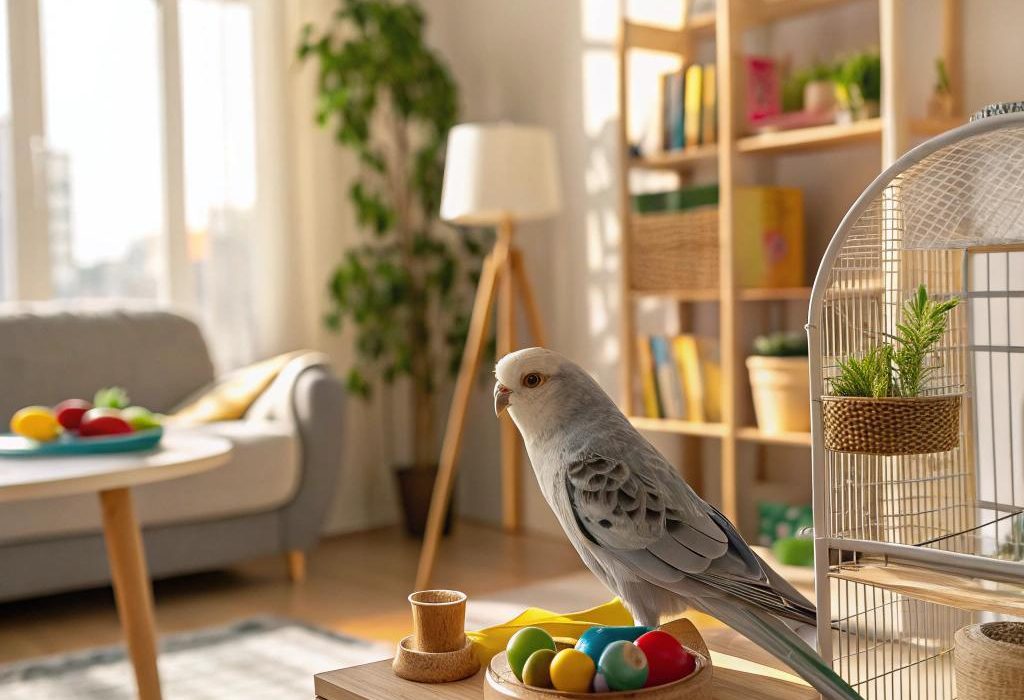
8 Essential Tips for Socializing Your Pet Bird Happily
Are you ready to unlock the secrets to a happier, more sociable pet bird? Whether you’re the proud owner of a chatty parakeet, an affectionate cockatiel, or a striking macaw, helping your feathered friend thrive in a social environment is crucial for their well-being. In our listicle, “8 Essential Tips for Socializing Your Pet bird Happily,” we’ve compiled a thoughtful array of techniques that will enhance your bond with your avian companion while ensuring they feel comfortable and confident in various settings. From understanding their body language to creating stimulating environments, each tip will equip you with practical insights to foster a joyful and engaging atmosphere for your beloved bird. Get ready to spread your wings and discover how easy and rewarding socialization can be!
Table of Contents
- 1) Start Slow: Allow your bird to adjust to its new environment at its own pace before introducing socialization.Gradual exposure will help build confidence.
- 2) Positive Reinforcement: Use treats and praise to reward your bird for engaging with you or others. This encourages a positive association with social interactions.
- 3) Create a Safe Space: Ensure your bird feels secure in its surroundings by providing a comfortable and calming environment. A safe space will make it more willing to interact.
- 4) Engage in Interactive Play: Incorporate toys and activities that encourage playfulness. Using mirrors or climbing structures can spark curiosity and invite socialization.
- 5) Share Your Space: Spend time near your bird’s cage, talking softly or reading aloud. This helps your bird become accustomed to your presence without feeling overwhelmed.
- 6) Introduce New People Gradually: When introducing friends or family, do so one person at a time.This minimizes stress and helps your bird acclimate to new faces slowly.
- 7) Encourage Gentle Handling: When your bird is ready, practice gentle handling techniques. Start with short sessions to build trust and comfort with touch and interaction.
- 8) Be Patient and Observant: Every bird has its own personality and comfort level. Pay attention to your bird’s body language and be patient as it learns to socialize at its own speed.
- Q&A
- The Conclusion
1) Start Slow: Allow your bird to adjust to its new environment at its own pace before introducing socialization. Gradual exposure will help build confidence
Introducing your feathered friend to a new environment can be a delicate process. Consider creating a nurturing space that allows your bird to feel safe and secure. During the initial days in its new home, refrain from overwhelming your pet with too much activity or noise. Allow it to explore its cage, familiarize itself with the sounds and scents of its surroundings, and settle into its routine. Gradual exposure helps your bird build confidence, which is crucial for triumphant socialization later on.
Provide a routine that includes increments of interaction and exploration time. Here are some simple practices to incorporate:
- Incremental Interaction: Start with just a few minutes of interaction each day and increase gradually.
- Environment Familiarization: Place the cage in a quiet corner where the bird can observe household activities from a safe distance.
- visual Contact: allow your bird to see other family members or pets without direct interaction to help build recognition and trust.
- Positive Reinforcement: Use praise and treats when your bird approaches you or shows curiosity about its new surroundings.
2) Positive Reinforcement: Use treats and praise to reward your bird for engaging with you or others. This encourages a positive association with social interactions
One of the most effective ways to foster a bond with your feathered friend is through positive reinforcement. When your bird interacts with you or others, don’t hesitate to reward this behavior! Using treats your bird enjoys—such as small pieces of fruit or nuts—can create a powerful incentive for them to engage more often. Coupled with enthusiastic praise, such as affectionate tones or verbal affirmations, your pet will begin to associate social interactions with enjoyable experiences. Over time, this not only boosts their confidence but also deepens your connection.
To make your rewards system more effective, consider these tips:
- Reward promptly after the desired behavior; timing is crucial!
- Use a variety of treats to keep your bird engaged and excited.
- Vary your praise by mixing verbal cues and physical affection.
- Observe what motivates your bird most—different birds have different preferences!
| Types of Treats | Benefits |
|---|---|
| Fresh fruit | High in vitamins and a sweet reward! |
| Nuts | Great for protein and very tempting! |
| Commercial bird treats | Specifically designed to be nutritionally balanced. |
3) Create a Safe Space: Ensure your bird feels secure in its surroundings by providing a comfortable and calming environment. A safe space will make it more willing to interact
Creating a safe haven for your feathered friend goes beyond just a cozy cage; it involves crafting an environment that promotes comfort and peace. Start by choosing a quiet and secure area of your home where the bird can feel invisible yet comfortable. Avoid noisy appliances, sudden movements, or chaotic environments that might startle your bird. Incorporate soft natural light to create a warm atmosphere and consider using calming colors for the surrounding decor to soothe their senses. To further enhance their sense of security, provide plenty of perches, hideaways, and toys that allow for exploration without the fear of being overwhelmed.
It’s equally significant to be mindful of the interactions your bird has with household members and other pets. Designate specific ‘social time’ where distractions are minimized, and attention is focused solely on your bird.This focused interaction helps in building trust. Consider implementing a consistent routine for feeding and playtime, which grounds your bird in a predictable schedule, making it feel more secure. You could also invest in a small play gym or a bird-safe tent within its space, offering new textures and heights to explore while still being near you. Over time, they will learn that your home is a safe, nurturing space, paving the way for more spontaneous social interactions.
4) Engage in Interactive Play: Incorporate toys and activities that encourage playfulness. Using mirrors or climbing structures can spark curiosity and invite socialization
Creating an engaging environment for your pet bird is crucial for fostering socialization and enhancing their playful instincts. dive into their world by incorporating a variety of toys and activities that stimulate curiosity. Consider using mirrors to pique their interest—birds frequently enough find their reflections fascinating, which can encourage playful self-exploration.Similarly, providing climbing structures not only promotes physical activity but also acts as a social hub where your bird can interact with you or other birds, learning essential social cues through play.
to ensure a dynamic playtime, think about rotating toys to keep your bird’s environment fresh and exciting. Introduce a mix of stimulating options such as:
- Foraging toys – Perfect for keeping your bird mentally engaged.
- Swing sets – A fun way for them to exercise while enjoying a playful challenge.
- Interactive games – Designed to encourage problem-solving and social engagement.
Consider setting up a play area with a variety of these items, allowing your pet to explore their surroundings at their own pace. The key is to observe their preferences and reactions,adjusting the environment to create an inviting and stimulating atmosphere that supports their social development.
5) Share Your Space: Spend time near your bird’s cage, talking softly or reading aloud. This helps your bird become accustomed to your presence without feeling overwhelmed
Creating a harmonious environment for your pet bird begins with sharing your space. Positioning yourself nearby while engaging in calm activities allows your feathered friend to observe you in a non-threatening manner. This proximity can be a simple yet effective way to foster trust. Speak softly,as if sharing secrets,or read aloud from a favorite book. Choose soothing tones and gentle words to create a comfortable atmosphere. Birds are incredibly perceptive to sound, and your calming presence helps them associate your voice with safety.
Consider these activities to enhance your time spent near their cage:
- Gentle Chit-Chat: Engage in light conversation, even if it’s just about your day.
- Your Favorite Story: Read a passage from a beloved book, letting your bird become familiar with your cadence.
- Music and Melody: Play soft music or sing a gentle tune; birds frequently enough enjoy rhythms and melodic sounds.
- Relaxing Moments: Simply sit and enjoy your surroundings, allowing your bird to feel your steady presence.
By turning this shared space into a comfortable sanctuary, you’re nurturing the bond between you and your pet bird.Over time, this interaction will build confidence and encourage your bird to approach you, paving the way for deeper connections. Remember, the objective is to make your bird feel secure and relaxed in your vicinity, making socialization a natural and joyful process.
6) Introduce New People Gradually: When introducing friends or family, do so one person at a time. This minimizes stress and helps your bird acclimate to new faces slowly
When it comes to introducing new faces to your feathered friend,slow and steady wins the race.Birds can be sensitive to changes in their environment, so it’s essential to take your time.Begin by having one person approach your bird at a distance that allows for comfortable observation. Watch for signs of stress or comfort, and encourage gentle interactions. Over a few days, have that individual talk softly to the bird, offering treats and letting the bird approach at its own pace. This creates a foundation of trust that your pet will appreciate.
Once your bird seems comfortably acquainted with the first person, you can gradually introduce others, ensuring that each new face is treated as a distinct interaction. Follow these simple guidelines for a smooth introduction:
- Keep it Quiet: Ensure that the area is calm and free of distractions.
- Let the Bird Set the Pace: Allow your pet to explore the new person at their own speed.
- Positive Reinforcement: Use treats to associate the new person with a pleasant experiance.
- Monitor Body Language: Watch for signs of stress, such as puffing up, flapping, or hiding.
By following a cautious approach, you not only minimize the stress for your avian companion but also lay the groundwork for enriching interactions in the future. Remember, building comfort and confidence takes time, but the reward is a well-adjusted, sociable bird!
7) Encourage Gentle Handling: When your bird is ready, practice gentle handling techniques. start with short sessions to build trust and comfort with touch and interaction
Once your bird shows signs of confidence and readiness, it’s time to guide them through gentle handling techniques that can foster a stronger bond between you. Start by allowing your bird to approach you voluntarily; this reinforces that they have control over the interaction, helping to alleviate any fear. Use short sessions at first,perhaps just a few minutes,gradually extending the duration as your feathered friend becomes more at ease. Always prioritize their comfort level—if they seem anxious, it’s perfectly fine to take a step back and allow them some space.
As you progress, focus on these gentle handling tips:
- Calm Environment: Ensure a low-stress setting with minimal distractions.
- Slow Movements: Approach and handle your bird slowly to avoid startling them.
- Positive Reinforcement: Use treats or soft words when they engage positively with touch.
- Cautious Touch: Start with light, gentle strokes rather than grabbing or holding tightly.
- Watch Body Language: Pay attention to your bird’s cues; if they seem stressed, pause and regroup.
Not only will these practices enhance your bond, but they will also help your bird feel secure and loved. As birds are sensitive creatures, ensuring they are treated with care fosters trust, making them more open to exploring interactions over time.
8) Be Patient and Observant: Every bird has its own personality and comfort level. pay attention to your bird’s body language and be patient as it learns to socialize at its own speed
Building a bond with your feathered companion requires a keen sense of observation. Each bird is a unique individual with its own quirks and behaviors that indicate how it feels about interaction. Spend time watching your pet, noting signs of comfort or stress. Relaxed body language such as preening, calm chirping, and a relaxed stance are good indicators that your bird is feeling secure. In contrast, signs of discomfort may include fluffed feathers, rapid breathing, or attempting to retreat. These cues provide crucial insights that can guide your approach and frequency of interaction.
Being patient is equally important as any sudden movements or forced interaction can make your bird feel threatened. Gradually introduce socialization experiences and let your pet dictate the pace. Create an enriching environment filled with safe toys, perches, and hideaways that encourages your bird to explore and grow more comfortable with its surroundings. With time,you will notice your pet developing confidence,leading to more meaningful interactions when it’s ready. remember, fostering trust with your bird can turn into a rewarding journey, allowing the bond to flourish at its own rhythm.
Q&A
8 Essential Tips for Socializing Your Pet Bird Happily
1. What are the benefits of socializing my pet bird?
socializing your pet bird can lead to a variety of benefits, including:
- Improved Mood: Birds that are socialized tend to be happier and less stressed.
- better Behavior: A well-socialized bird is likely to display fewer behavioral issues.
- Stronger bond: Spending time together can strengthen your relationship with your bird.
- Enhanced Dialog: Social birds often learn to communicate more effectively and can even pick up words or phrases.
2. How can I introduce my bird to new people safely?
Introducing your bird to new people can be a delightful experience, but it’s important to take precautions:
- Start Slow: Allow your bird to observe the new person from a distance before encouraging close contact.
- Positive reinforcement: Use treats to reward your bird for calm behavior during introductions.
- Limit Introductions: Keep initial interactions short to avoid overwhelming your bird.
- Body Language: Educate friends on bird body language so they can converse more gently and recognize signs of discomfort.
3. What environments are best for socializing my bird?
Creating a comfortable environment is crucial for effective socialization:
- Safe Space: Ensure the area is free from hazards and that your bird feels secure.
- Calm Surroundings: Choose a quiet room where distractions and loud noises are minimized.
- Interactive Areas: Set up stations with toys or perches where your bird can play and explore while socializing.
4. How often should I handle my bird for effective socialization?
Regular handling is key to socialization:
- Daily interaction: Aim for at least 15-30 minutes a day for handling and playtime.
- Consistent Routine: Incorporate socializing into your daily routine to create familiarity and comfort.
- Quality Over Quantity: Focus on interactive play and positive experiences, rather than just the amount of time spent.
5.What types of activities can I do to socialize my bird?
Engaging your bird in different activities can enhance socializing:
- Training Sessions: Use positive reinforcement to teach new tricks or commands.
- Playtime: Introduce toys, games, and puzzles to stimulate your bird’s mind and encourage interaction.
- out-of-Cage Time: Allow your bird to explore in a safe, supervised area outside its cage.
- Bath Time: Make bath time fun and engaging to build trust and affection.
6. How can I tell if my bird is comfortable during socialization?
Understanding your bird’s comfort levels is essential:
- Body Posture: A relaxed posture with smooth feathered plumage typically indicates comfort.
- Vocalizations: Happy chirps or whistles suggest your bird is enjoying the interaction.
- Active Participation: If your bird willingly engages with you or explores, it’s a good sign it feels safe.
- Avoidance Behavior: Pay attention to any signs of distress, such as biting, flapping, or retreating to a corner.
7. Are there specific bird breeds that are more easily socialized?
Some breeds tend to be more social and adaptable, including:
- Budgerigars (Budgies): Known for their friendly disposition and ability to bond with humans.
- African Gray Parrots: Intelligent and social, they thrive on interaction and mental stimulation.
- Cockatiels: Generally affectionate, they enjoy spending time with their human companions.
- Lovebirds: Playful and social, they frequently enough enjoy being around other birds and people.
8. What should I do if my bird shows signs of stress or fear?
It’s important to address signs of stress appropriately:
- Give Space: Allow your bird some time alone to decompress if it shows signs of distress.
- Reassess Interaction: Evaluate what might be causing fear and adjust your approach accordingly.
- Gradual Exposure: Gradually increase exposure to new experiences to build confidence.
- Consult a Veterinarian: If stress persists, consider seeking advice from a qualified avian vet.
The Conclusion
As we wrap up our exploration of the essential tips for socializing your pet bird, remember that the journey to fostering a strong bond with your feathery friend is as important as the destination. Each bird has its unique personality and preferences, so be patient and attentive to their needs. By creating a nurturing environment, employing gentle socialization techniques, and ensuring plenty of playful interactions, you’ll allow your bird’s natural charm to shine through.
Ultimately,the joy of sharing your life with a well-socialized bird goes beyond communication—it’s about building trust and a deep,rewarding companionship. Whether it’s through lively chats, playful antics, or quiet moments together, every effort you invest in their happiness pays off. So, take a deep breath, spread those wings of creativity, and embark on this delightful journey of friendship with your avian companion. Here’s to happy chirps and joyful moments ahead!



34 Comments
Great tips! Socializing a pet bird is so important for their happiness and well-being. These suggestions will definitely help foster a stronger bond.
These are fantastic pointers! It’s crucial to understand a bird’s social needs, and following these tips will surely make the experience enjoyable for both the pet and the owner.
These tips are incredibly helpful! Proper socialization can really transform a bird’s behavior and create a more enriching environment for them.
I’m so glad to see this topic being discussed! Socializing a pet bird not only helps them feel secure but also encourages their natural behaviors, making for a happier pet.
I appreciate these insights! Building a strong relationship with a pet bird takes patience and effort, and having practical tips makes it so much easier to ensure they thrive socially and emotionally.
Thanks for sharing these valuable tips! It’s amazing how a little extra attention to socialization can significantly improve a bird’s quality of life and deepen the connection between pet and owner.
These tips are a great reminder of the importance of socializing our feathered friends; investing time in their social development truly leads to a more fulfilling companionship for both the bird and the owner.
These suggestions are spot on! Understanding our birds’ social needs is crucial for their happiness and well-being, and it’s rewarding to see them flourish when we put these tips into practice.
These tips are incredibly helpful for anyone looking to enrich their bird’s life; fostering social interactions can transform a pet bird’s experience and strengthen the bond we share with them.
Great tips! It’s so important to engage with our pet birds regularly; creating a stimulating environment not only enhances their social skills but also leads to a happier and healthier pet overall.
These insights are fantastic! It’s so true that the more we engage with our birds and understand their social behavior, the more vibrant and joyful their lives become, ultimately enriching our own experiences with them.
I appreciate these valuable tips; it’s amazing how much a little social interaction can improve a bird’s mood and behavior, and it’s a wonderful way to deepen our connection with them.
I completely agree with all these insights; socializing pet birds is essential for their well-being, and incorporating these tips can make a significant difference in their happiness and overall quality of life.
These tips are spot on; investing time in socializing our pet birds is crucial for their mental and emotional health, and it really reflects how much we care for them as companions.
These tips are incredibly helpful; establishing a strong bond with our pet birds through socialization is essential for their happiness and can lead to a more fulfilling companionship for both the bird and the owner.
These tips are incredibly insightful; they highlight the importance of creating a stimulating and loving environment for our pet birds, which is essential for fostering their happiness and social well-being.
These suggestions are fantastic; they emphasize how essential it is to provide our pet birds with socialization opportunities that nurture their instincts and enhance their quality of life, ultimately strengthening our bond with them.
These recommendations are invaluable for any bird owner; fostering social interaction not only enriches a bird’s life but also deepens the connection we share with them, leading to a more harmonious living environment.
These insights are essential for any pet bird owner; prioritizing socialization not only helps to cultivate a trusting relationship but also ensures our feathered friends are happy and thriving in their environment.
These tips are a great reminder of how vital socialization is for pet birds; by engaging with them regularly, we not only meet their social needs but also create a joyful and interactive environment that benefits both the bird and the owner.
These guidelines are incredibly helpful; they remind us that our pet birds thrive on interaction and companionship, highlighting the importance of making time for them in our daily lives to promote their overall well-being and happiness.
These tips are incredibly insightful; they serve as a great reminder that regular socialization is key to ensuring our pet birds feel secure and happy, ultimately leading to a more fulfilling relationship for both owner and bird.
These tips provide a fantastic foundation for building strong bonds with our pet birds; by focusing on socialization, we can enhance their quality of life and ensure they feel loved and accepted in their home.
These tips are an excellent way to ensure our pet birds are not only happy but also mentally stimulated; with the right approach to socialization, we can help them develop confidence and enrich their lives while strengthening our bond with them.
These essential tips highlight the importance of socialization in a bird’s life; by following them, we can ensure our feathered friends feel cherished and develop their unique personalities while enjoying a fulfilling and engaging experience with us.
These tips are invaluable for any bird owner striving to create a positive social environment for their pets; by incorporating these strategies, we can truly enhance our birds’ happiness and well-being while fostering a deeper connection with them.
These tips are a wonderful resource for anyone looking to nurture their relationship with their pet bird; by prioritizing socialization, we can create an enriching environment that not only caters to their needs but also allows us to appreciate their vibrant personalities even more.
These tips serve as a crucial guide for bird owners looking to foster a strong and positive relationship with their feathered companions; prioritizing socialization not only leads to happier birds but also enriches our own experiences as caregivers.
These practical tips are essential for creating a loving and interactive environment for our pet birds; by focusing on socialization, we not only enhance their quality of life but also deepen our understanding and appreciation of their unique behaviors and traits.
These tips provide a fantastic framework for enhancing our interactions with pet birds; by implementing these strategies, we not only improve their social skills but also create a more joyful and dynamic living atmosphere for both the birds and ourselves.
These essential tips are a great reminder of the importance of socializing our pet birds; by implementing them, we can ensure our feathered friends feel loved and engaged, ultimately leading to a more harmonious and enjoyable household for everyone involved.
These essential tips highlight the significance of socialization for pet birds; by applying these suggestions, we can create a more fulfilling and interactive environment that benefits both our birds and ourselves.
These tips are invaluable for ensuring that our pet birds thrive in social settings; by following these guidelines, we can build stronger bonds with them and create a more engaging environment that enhances their happiness and well-being.
These tips are a wonderful resource for anyone looking to improve their pet bird’s social skills; by embracing these strategies, we can cultivate a vibrant and enriching atmosphere that fosters both our birds’ happiness and our connections with them.