

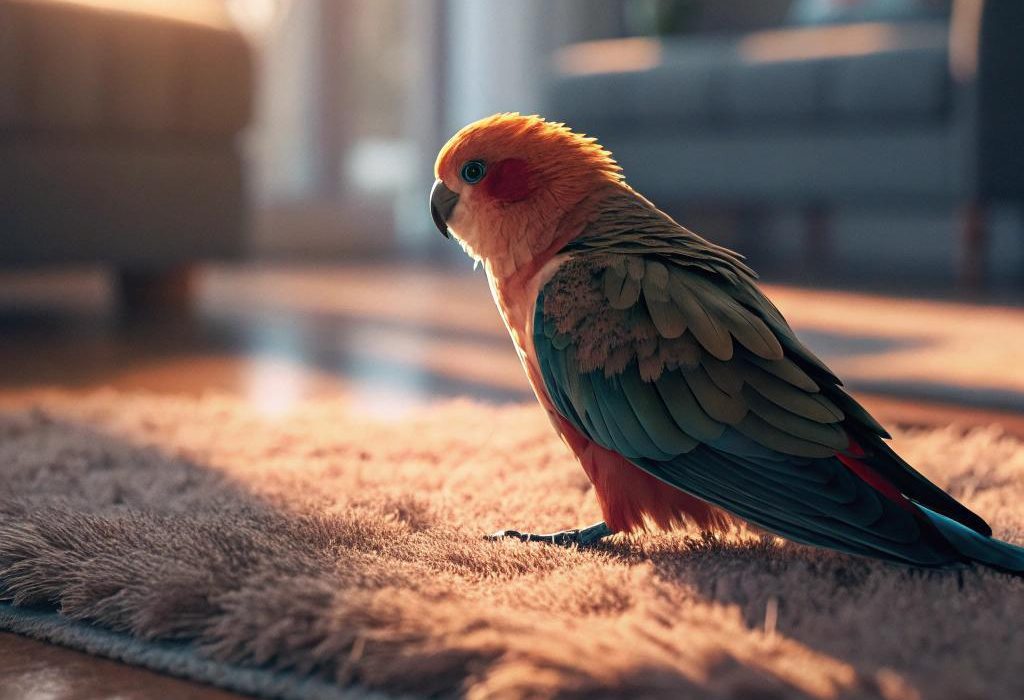
10 Insights into Why Birds Pluck Their Feathers and Solutions
10 Insights into Why Birds Pluck their Feathers and Solutions
Feather plucking can be a perplexing phenomenon for bird owners and enthusiasts alike. While our avian companions are often revered for their vibrant plumage and captivating behaviors, many struggle wiht the unsettling habit of feather plucking. But what drives these seemingly innocuous creatures to engage in such a perplexing behavior? In this listicle, we’ll uncover 10 insightful reasons why birds may turn to feather plucking, ranging from environmental factors to psychological triggers. Additionally,we’ll provide practical solutions to help mitigate this issue,ensuring a happier and healthier life for your feathered friend. Join us as we explore the depths of avian behavior and discover how you can foster a nurturing habitat for your bird to thrive. Whether you’re a curious bird lover or a dedicated bird owner, this guide aims to equip you with valuable knowledge and actionable strategies.
Table of Contents
- 1) Understanding the Instinct: Many birds pluck their feathers as a natural grooming behavior, helping them to maintain hygiene and remove parasites. Though, excessive plucking can be a sign of something deeper.
- 2) Stress and Anxiety factors: Environmental stressors, such as loud noises or changes in routine, can lead to feather plucking. Identifying these triggers is crucial for developing effective solutions.
- 3) Boredom and Lack of Stimulation: Birds are intelligent creatures that require mental engagement. Feather plucking often stems from boredom; providing toys and activities can help curb this habit.
- 4) Nutritional Deficiencies: Sometimes, dietary imbalances contribute to feather plucking.Ensuring a well-rounded diet rich in vitamins and minerals can improve feather health and reduce the inclination to pluck.
- 5) Medical Issues: Underlying health problems like skin infections or allergies might prompt feather plucking. Regular veterinary check-ups can definitely help identify and treat these issues promptly.
- 6) Social Isolation: Many bird species are social animals that thrive on interaction with others. Loneliness can lead to compulsive feather plucking, highlighting the importance of companionship.
- 7) behavioral Conditioning: Some birds develop feather-plucking behaviors in response to positive reinforcement, such as attention from their owners. Understanding this can help foster better habits through more constructive interactions.
- 8) Creating a Comforting Environment: A calm and stable habitat can significantly reduce feather plucking. Ensuring a safe, quiet space can help your bird feel more secure and less inclined to engage in destructive behaviors.
- 9) Professional Guidance: Consulting with an avian behaviorist can provide tailored strategies for addressing feather plucking,offering insight into behavioral modification techniques.
- 10) Encouraging Healthy Habits: Establishing a routine that includes regular playtime, nutrition, and socialization can create a fulfilling environment that minimizes the urge to pluck feathers and encourages overall well-being.
- Q&A
- Closing remarks
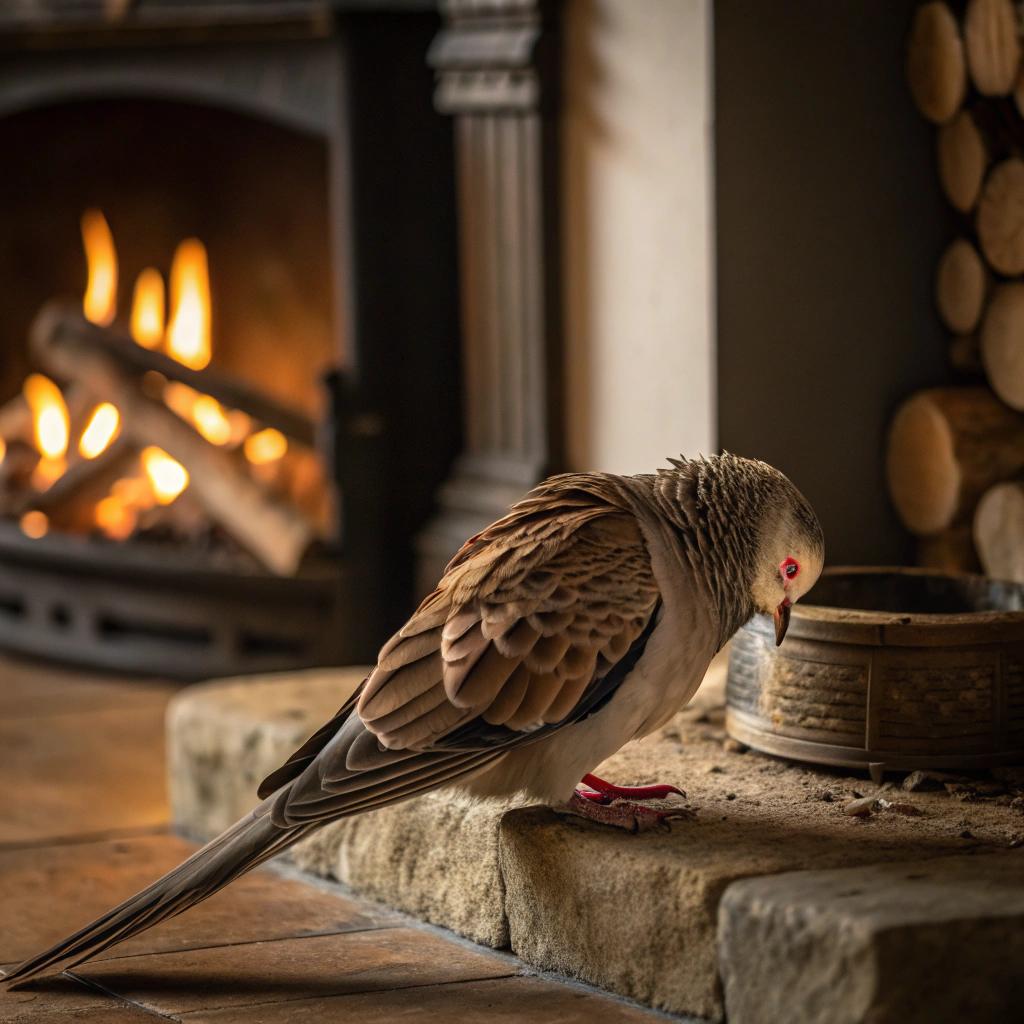
1) Understanding the Instinct: Many birds pluck their feathers as a natural grooming behavior, helping them to maintain hygiene and remove parasites. However, excessive plucking can be a sign of something deeper
Birds are naturally inclined to engage in preening, a behavior that allows them to keep their feathers in top condition. This grooming ritual not only enhances their appearance but also plays a crucial role in maintaining hygiene by getting rid of dirt and debris. During this process, birds use their beaks to apply natural oils produced by a gland located near their tails, creating a protective barrier that can shield them from parasites and environmental contaminants. In most instances, this instinctual behavior remains a healthy part of their daily routine, contributing to their overall well-being.
However, it’s essential to recognize when this natural behavior has escalated into excessive plucking, which can indicate underlying issues. Factors such as stress, boredom, or even medical conditions may drive a bird to pluck its feathers beyond a normal grooming routine.To better understand specific triggers, consider the following:
- Stress Factors: Changes in environment, loud noises, or the introduction of new pets.
- Boredom: Lack of stimulation or insufficient toys can lead to compulsive behaviors.
- health Concerns: Parasites or skin infections might provoke aggressive preening.
2) Stress and Anxiety Factors: Environmental stressors, such as loud noises or changes in routine, can lead to feather plucking. Identifying these triggers is crucial for developing effective solutions
Every bird owner understands the importance of a calm environment for their feathered friends. When birds are exposed to inconsistent or stressful elements, such as loud noises, rapid changes in their daily routine, or even new pets or family members, it can trigger anxiety. These overwhelming sensations can lead them to engage in harmful behaviors like feather plucking. Recognizing what induces fear or discomfort in your bird is the first step [to remedying the situation]. Consider keeping a journal to track when plucking occurs alongside any corresponding environmental changes; this can help indicate specific stressors.
In order to create a more tranquil atmosphere for your avian companion, you might want to address common environmental stressors through practical means. Focus on implementing elements that promote security and comfort, such as:
- Soundproofing: Use curtains or specialized sound barriers to muffle loud outdoor noises.
- Predictable Routines: Establish a consistent daily schedule for feeding and social interaction.
- safe Spaces: Provide cozy hideouts or perches where your bird can retreat when feeling anxious.
With a little effort, you can transform your bird’s environment into one that fosters happiness rather than fear, ultimately reducing the likelihood of feather plucking.
3) Boredom and Lack of Stimulation: Birds are intelligent creatures that require mental engagement. Feather plucking often stems from boredom; providing toys and activities can help curb this habit
Birds,known for their vibrant personalities and sharp intellect,can easily succumb to boredom if their environment lacks stimulation. This mental disengagement can lead to feather plucking,as they seek relief from monotony. To counteract this behavior and promote a more fulfilling life for your feathered friend, it’s essential to transform their living space into a haven of creativity and engagement. Incorporating a variety of stimulating toys is not just beneficial; it’s essential. Consider rotating toys regularly to maintain their interest and encourage exploration.
Enhancing your bird’s environment doesn’t have to be costly or elaborate. Simple DIY projects can make a meaningful impact. Try the following ideas to keep your bird entertained and mentally active:
- Foraging Toys: Fill boxes with shredded paper and hidden treats to stimulate their natural foraging instincts.
- Interactive Puzzles: Use toys that require problem-solving, such as those that dispense treats when manipulated correctly.
- Mirror Play: Incorporate mirrors in their cages; birds often enjoy interacting with their reflections.
| Toy Type | Purpose | Benefits |
|---|---|---|
| Chew Toys | Satisfy natural chewing instincts | Helps with beak health and reduces stress |
| Climbing Structures | Provides physical exercise | Enhances coordination and agility |
| Musical Toys | Stimulates auditory senses | Promotes cognitive engagement and vocalization |
4) Nutritional Deficiencies: Sometimes,dietary imbalances contribute to feather plucking. Ensuring a well-rounded diet rich in vitamins and minerals can improve feather health and reduce the inclination to pluck
Feather plucking in birds can frequently enough be linked to nutritional deficiencies,which may arise from an unbalanced or inadequate diet.Birds require a variety of essential nutrients to maintain their feather quality and overall health. A diet lacking in these nutrients can lead to weakened feathers and amplify stress-related behaviors, such as plucking. It’s crucial to explore the specific vitamins and minerals that play a pivotal role in feather health, including:
- vitamin A: Supports skin health and feather development.
- Vitamin E: Acts as an antioxidant and helps in feather growth.
- Biotin: Crucial for strong feathers and prevents breakage.
- Calcium: Essential for overall health and encourages better feather condition.
- Amino Acids: Building blocks of proteins critical for feather structure.
To ensure your feathered friend thrives, it’s essential to provide a well-rounded diet. Consider introducing a variety of fresh fruits, vegetables, seeds, and high-quality pellets that cater to your bird’s specific dietary needs. You might also want to track their food intake and look for signs of deficiencies. below is a simple guide to help you monitor and improve your bird’s nutrition:
| Food Category | Suggested Items | Benefits |
|---|---|---|
| Fruits | Apples, Berries, Bananas | Rich in vitamins and antioxidants. |
| Vegetables | Carrots, Spinach, Bell Peppers | Provide vital nutrients and fiber. |
| Seeds | Flaxseeds, Pumpkin Seeds | Source of healthy fats and amino acids. |
| Pellets | Commercially formulated pellets | Ensure balanced nutrition in every bite. |
5) Medical Issues: Underlying health problems like skin infections or allergies might prompt feather plucking. Regular veterinary check-ups can help identify and treat these issues promptly
Feather plucking in birds can often be a cry for help, especially when linked to underlying medical issues. Skin infections, whether caused by bacteria, fungi, or parasites, can be incredibly uncomfortable for our avian friends. These conditions might lead to excessive itching, prompting birds to remove their feathers in an attempt to relieve the irritation. Similarly, allergies-whether to environmental factors such as pollen or to certain foods-can create significant discomfort and lead to behavioral issues like feather picking. Attending to these health concerns shoudl be a priority for all bird owners, as neglecting them can lead to more severe problems.
Regular veterinary check-ups are essential in catching these issues early. During these visits,avian vets can perform thorough examinations,conduct skin scrapings,and even run allergy tests to pinpoint the source of your bird’s discomfort. Here’s a quick overview of potential medical issues and solutions:
| Medical Issue | Potential Solutions |
|---|---|
| Skin Infections | Antibiotics or antifungal treatments prescribed by an avian vet. |
| Allergies | Identifying triggers; dietary adjustments; antihistamines as prescribed. |
| Parasitic Infestations | Topical or oral antiparasitic treatments; proper hygiene. |
6) social isolation: Many bird species are social animals that thrive on interaction with others. Loneliness can lead to compulsive feather plucking, highlighting the importance of companionship
birds are inherently social creatures, naturally drawn to the company of their own kind. When isolated, they can struggle both mentally and emotionally, leading to a host of behavioral issues, including feather plucking. The absence of companionship can contribute to deep feelings of loneliness, causing birds to engage in self-destructive habits as a means of coping. providing adequate social interaction is crucial, whether through human interaction or the presence of other birds, ensuring their well-being and mental health.
To foster companionship in homes with birds, consider the following options:
- Pairing or grouping: Whenever possible, house birds in pairs or small groups to mimic their natural social structures.
- Interactive Toys: Engage them with toys that encourage problem-solving and play, reducing boredom and loneliness.
- Routine Interaction: Set aside scheduled time for interaction, which can involve talking, preening, or simply spending time near them to create a calming presence.
Creating a stimulating environment can also help prevent loneliness-related feather plucking. Below is a simple table highlighting some effective strategies:
| Strategy | Description |
|---|---|
| Socialization | introduce a companion bird or schedule daily interaction with humans. |
| Flight Time | Allow them free time outside the cage to explore and interact. |
| Enrichment Activities | Offer varied toys and challenges to keep their minds engaged. |
7) Behavioral Conditioning: Some birds develop feather-plucking behaviors in response to positive reinforcement, such as attention from their owners. Understanding this can help foster better habits through more constructive interactions
Feather-plucking can sometimes emerge as a quirk of behavior often rooted in the interplay between an owner’s reactions and a bird’s desire for attention. Birds, being highly social creatures, may discover that engaging in such behaviors not only garners extra focus from their human companions but can also lead to positive reinforcement in the form of treats, laughter, or a closer bond. The key here lies in understanding the concept of behavioral conditioning; when an action is rewarded, it is likely to be repeated. So, if a bird learns that preening their feathers to the point of plucking leads to heightened interaction, they may continue to do so, inadvertently leading to an escalating cycle of anxiety and unwanted behavior.
To redirect this behavior, owners can adopt strategies that emphasize constructive interaction.Developing an enriched environment is critical-by providing a variety of stimulating toys, engaging in regular playtime, and focusing on gentle, positive reinforcement, owners can create a more balanced dynamic that discourages feather plucking. Below are some practical tips to foster healthier habits:
- Consistent Positive Reinforcement: Reward your bird with a treat or affection when they engage in healthy feather maintenance rather than plucking.
- Interactive Toys: Introduce toys that stimulate both the mind and body, redirecting attention away from plucking behaviors.
- Routine Social Interaction: Regularly allocate time for social engagement to fulfill their social needs and reduce anxious behaviors.
8) Creating a Comforting Environment: A calm and stable habitat can significantly reduce feather plucking. Ensuring a safe, quiet space can help your bird feel more secure and less inclined to engage in destructive behaviors
Creating a tranquil space for your feathered friend can work wonders in alleviating stress, which is often a precursor to feather plucking. overstimulation from loud noises, sudden movements, or chaotic environments can contribute to a bird’s anxiety, leading them to resort to destructive habits. Here are a few elements to consider when crafting a serene atmosphere:
- Quiet Area: Place the bird’s cage in a low-traffic area of the home where it can feel safe and undisturbed.
- Comfortable Cage: Ensure the cage is spacious and equipped with soft bedding, perches, and toys that provide both security and entertainment.
- Natura lLight: Allow for natural light to enter the space while providing shaded areas for birds to retreat and relax.
- Consistent Routine: Establish a daily routine that includes feeding, playtime, and quiet moments to help your bird develop a sense of stability.
Additionally, consider utilizing calming music or nature sounds to help drown out harsh noises when you’re unable to maintain complete silence. The power of soothing soundscapes can create an environment that promotes relaxation. Here’s a simple way to incorporate elements into your bird’s habitat to enhance their comfort:
| Element | Benefit |
|---|---|
| Soft Lighting | Creates a calming atmosphere without harsh glare. |
| Safe Hiding spots | Offers a retreat for times of stress or fear. |
| Interactive Toys | Engages their mind and reduces boredom, a common trigger for plucking. |
| scented Fabrics | Similar scents can definitely help them associate their space with comfort. |
9) Professional Guidance: Consulting with an avian behaviorist can provide tailored strategies for addressing feather plucking, offering insight into behavioral modification techniques
Consulting with an avian behaviorist can be a transformative step for both birds and their caregivers. Unlike standard pet behaviors,feather plucking frequently enough signals underlying issues that require specialized knowledge. Tailoring strategies to the individual bird’s environment, social dynamics, and psychological needs allows for a unique approach that can foster positive change. Here are some benefits of working with a professional:
- Behavioral Assessment: A thorough evaluation helps identify triggers of plucking,whether they be stress,boredom,or health-related.
- Customized Plans: Behaviorists create tailored behavior modification plans that account for each bird’s specific challenges and personality.
- Ongoing support: Regular follow-up sessions can ensure the effectiveness of the strategies implemented, allowing for adjustments as necessary.
To further illustrate the approaches recommended by avian behaviorists, here’s a simple table outlining common strategies used to mitigate feather plucking:
| Strategy | Description |
|---|---|
| Environmental Enrichment | Providing stimulating toys and activities to keep the bird engaged. |
| Routine Establishment | Creating a structured daily routine to reduce anxiety and unpredictability. |
| Positive Reinforcement | Encouraging desired behaviors using treats and praise to reinforce good habits. |
10) Encouraging Healthy Habits: Establishing a routine that includes regular playtime, nutrition, and socialization can create a fulfilling environment that minimizes the urge to pluck feathers and encourages overall well-being
Creating a nurturing environment for your feathered friend is paramount in reducing unwanted feather-picking behaviors. Implementing a structured routine that emphasizes playtime, nutrition, and social engagement fosters a sense of security and fulfillment. Consider adding a variety of toys and mental challenges that stimulate your bird’s mind and keep boredom at bay. Regular interactive sessions, such as training or social play, can significantly enhance their emotional well-being, making them less likely to engage in negative behaviors like feather plucking.
Nutrition plays a pivotal role in your bird’s overall health and happiness. A well-balanced diet filled with fresh fruits, vegetables, and high-quality pellets can strengthen feathers and skin, reducing the impulse to pluck. To further assist in building a healthy routine,create a weekly schedule that outlines specific times for feeding,play,and social interaction. Below is a simple table format that illustrates a sample weekly schedule designed to enrich your bird’s life:
| Day | Playtime | Nutrition | Socialization |
|---|---|---|---|
| Monday | 30 mins of free flight | Chop with leafy greens | 30 mins of training |
| Tuesday | Interactive toys setup | Fruit medley | Mirror playtime |
| Wednesday | Puzzle toys | Special nutrients (supplements) | Family bonding time |
| Thursday | Outdoor time (weather permitting) | Vegetable sticks | Play with other birds |
| Friday | foraging activities | Grain mix | Storytime with owner |
| Saturday | Exploration of new toys | Seed treat | Social visit with friends |
| Sunday | Relaxation time | Cooked grains | Quiet time with owner |
Q&A
10 Insights into Why Birds Pluck Their Feathers and Solutions
What are some common reasons birds pluck their feathers?
Birds may pluck their feathers for various reasons,often reflecting their physical and emotional health. Some common causes include:
- Stress or Anxiety: Changes in environment or routine can make birds feel anxious, leading them to pluck their feathers.
- Skin Irritations: Allergies, infections, or parasites can cause itching and discomfort, prompting feather plucking.
- Boredom: Lack of stimulation or interaction can result in self-destructive behaviors, including feather plucking.
- Mating Behavior: In some cases, birds may remove feathers during mating rituals or nesting preparations.
How can stress in birds be alleviated?
To reduce stress in birds that may contribute to feather plucking, consider the following solutions:
- Consistent Routine: Maintain a regular schedule for feeding, cleaning, and interaction to help your bird feel secure.
- Safe Environment: Create a calm, quiet space for your bird, away from loud noises or disturbances.
- Regular Social interaction: Spend quality time with your bird through talking and play to provide emotional support.
What role do skin irritations play in feather plucking?
Skin irritations can be a primary cause of feather plucking as they lead to discomfort and itching. Such irritations may result from:
- Allergies: Environmental allergens like dust, pollen, or certain foods can trigger skin reactions.
- Parasitic Infestations: External parasites like mites or lice can cause significant irritation.
- Infections: Bacterial or fungal infections can also lead to inflammation and discomfort.
What can be done to treat skin irritations?
To treat skin irritations effectively, consider these measures:
- Veterinary Consultation: Always consult with an avian veterinarian to determine the underlying cause and appropriate treatment.
- Proper Hygiene: Regularly clean your bird’s living area to minimize allergens and irritants.
- Allergy Testing: If suspected, conduct allergy testing to identify triggers in your bird’s environment or diet.
How does boredom affect a bird’s behavior?
Boredom can lead to various behavioral issues in birds, including feather plucking.Birds are intelligent creatures that require mental and physical stimulation. Without adequate enrichment, they may resort to:
- Self-Mutilation: Feather plucking is a way for bored birds to self-soothe or distract themselves.
- Aggressive Behaviors: Frustrated birds may exhibit aggressive tendencies, leading to further stress.
- Vocalizations: Birds may become overly vocal or develop habitually loud noises as a response to boredom.
What are effective ways to prevent boredom in birds?
To keep your bird engaged and avoid boredom, implement these tips:
- Toys and Enrichment: Provide a variety of toys that can be swapped out regularly to keep things fresh.
- Interactive Play: Engage in interactive play and training sessions to stimulate your bird’s intellect.
- Social Interactions: Encourage interaction with household members to provide social enrichment.
How can a bird’s diet influence feather plucking?
A bird’s diet plays a crucial role in its overall health, which can impact feather condition and behavior. Nutritional deficiencies can lead to:
- Feather Quality: Poor nutrition can cause weak, brittle feathers that are more likely to fall out.
- Behavioral Problems: inadequate nutrients can affect a bird’s mood and energy, potentially leading to plucking.
- Health Issues: Certain deficiencies can lead to broader health problems that may worsen feather plucking.
What dietary changes can help reduce feather plucking?
To improve your bird’s diet and potentially reduce feather plucking, consider:
- Balanced Diet: Ensure a varied diet that includes seeds, pellets, fruits, and vegetables, rich in vitamins and minerals.
- Supplements: Consult your vet about possible dietary supplements that can enhance feather health and overall well-being.
- Hydration: Ensure fresh, clean water is always available to promote good health.
What are the signs that feather plucking has become a serious issue?
Feather plucking can escalate from a mild behavior to a serious concern. Signs to look for include:
- Excessive Plucking: if your bird is consistently plucking large areas of feathers, it may indicate a deeper issue.
- Skin Injury: Look for sores, redness, or bleeding from plucking, which requires immediate veterinary attention.
- behavior Changes: Noticeable changes in behavior, such as aggression or lethargy, may signal distress.
When should you seek professional help for feather plucking?
If you observe any concerning signs, it’s wise to consult an avian veterinarian. Seek professional help when:
- Underlying Conditions: If there’s a suspicion of illness or underlying health issues affecting your bird.
- Persistent Behavior: If plucking continues despite trying home solutions, professional guidance may be necessary.
- Extreme Behavioral Changes: Any drastic changes in behavior can signal serious health or psychological concerns.
Closing Remarks
As we soar to the conclusion of our exploration into the perplexing behavior of feather-plucking in our avian companions, we find ourselves with a deeper understanding of both the reasons behind this troubling phenomenon and the compassionate solutions that can help.From environmental stressors to psychological factors, the insights we’ve uncovered illuminate the intricate tapestry of bird behavior and welfare.
Whether you’re a seasoned bird enthusiast,a dedicated pet owner,or simply a curious observer of nature,addressing feather-plucking starts with awareness and empathy. Armed with knowledge, we can create nurturing environments that foster the well-being of our feathered friends.
so as you take flight from this listicle, remember that every bird’s story is unique, and our role is to be vigilant observers and caring advocates for their health and happiness. Together, let’s ensure that our skies remain vibrant with the joyous flutters of healthy, well-cared-for birds. Thank you for joining us on this journey-may your path be filled with understanding and compassion for all our winged companions.



29 Comments
This is such an important topic! Understanding the reasons behind feather plucking can help bird owners find the right solutions for their pets. Thanks for sharing these insights!
As someone who has struggled with this issue in my own birds, I really appreciate the practical solutions you’ve provided-it’s so crucial for their well-being and happiness.
These insights are incredibly valuable; I had no idea about some of the underlying causes of feather plucking. It’s great to see solutions being offered to help our feathered friends live healthier, happier lives.
Thank you for shedding light on this often misunderstood behavior; it’s essential for bird owners to recognize the causes and implement effective solutions to promote their pets’ overall health and well-being.
I’m grateful for this informative post; it’s so important for bird owners to be aware of the different factors that can lead to feather plucking and to have actionable steps to help address this issue effectively.
I’m really thankful for this comprehensive discussion; addressing feather plucking is vital for bird welfare, and these insights not only help owners understand the behavior better but also empower them to take meaningful steps toward resolving it.
This post is a fantastic resource for anyone dealing with feather plucking in their birds; understanding the reasons behind this behavior is key to finding effective solutions, and I appreciate the clear guidance offered to help improve the lives of our avian companions.
This article is a crucial read for bird owners; understanding the various reasons behind feather plucking along with practical solutions can significantly enhance the quality of life for our feathered friends and help us become better caregivers.
This article provides invaluable information for bird owners facing the challenge of feather plucking; by exploring the underlying causes and offering practical solutions, it empowers us to better support our birds’ needs and enhance their well-being.
This article is an essential guide for bird owners struggling with feather plucking; the insights provided not only shed light on the complex reasons behind this behavior but also offer practical steps to help create a more nurturing environment for our birds.
This article is incredibly informative and offers a compassionate approach to a sensitive issue; by delving into the factors that lead to feather plucking and providing actionable solutions, it equips bird owners with the knowledge necessary to foster a healthier and happier environment for their pets.
This article is a must-read for bird enthusiasts, as it not only addresses the complex reasons behind feather plucking but also provides thoughtful solutions to mitigate this distressing behavior, helping us all become more informed and compassionate caregivers.
This article is a comprehensive resource for anyone who loves birds; it not only explains the intricate reasons behind feather plucking but also emphasizes the importance of addressing these issues proactively, ensuring our feathered companions thrive in a positive environment.
This article is a vital resource for bird owners dealing with feather plucking; it combines thorough research with practical advice, illustrating the multifaceted nature of this behavior while guiding us towards effective solutions to improve our birds’ quality of life.
This article is an invaluable resource for bird caregivers, as it thoroughly explores the underlying causes of feather plucking while offering actionable strategies to address this common issue, ultimately promoting better well-being for our beloved avian friends.
This article serves as an essential guide for all bird owners, uncovering the various causes of feather plucking while presenting practical solutions that can aid in creating a nurturing environment, ensuring our feathered companions lead fulfilling lives.
This article is an essential tool for bird owners, as it delves deeply into the various factors contributing to feather plucking and presents effective strategies to foster a healthier and more supportive environment for our avian companions.
This article is a must-read for bird enthusiasts, as it thoroughly examines the complex factors triggering feather plucking and provides clear, actionable solutions to help improve the overall health and happiness of our feathered friends.
This article is incredibly insightful for anyone caring for birds, as it highlights the intricate reasons behind feather plucking and offers well-researched solutions to help enhance the well-being of our feathered companions.
This article is a vital resource for bird caregivers, as it comprehensively explores the reasons behind feather plucking and offers practical solutions that can greatly enhance the quality of life for our cherished avian companions.
This article is a fantastic resource for bird owners, offering valuable insights into the complexities of feather plucking and providing effective strategies to help mitigate this issue, ultimately promoting the well-being of our beloved birds.
This article serves as an essential guide for bird owners, shedding light on the multifaceted reasons behind feather plucking and offering insightful approaches to tackle this behavior, ultimately ensuring our birds lead healthier and happier lives.
This article is an invaluable tool for bird owners, as it not only delves into the diverse causes of feather plucking but also presents practical, evidence-based solutions that can significantly improve the lives of our feathered friends.
This article is a crucial read for bird owners, as it thoroughly examines the underlying factors contributing to feather plucking and provides actionable solutions that can help promote the mental and physical health of our avian pals.
This article is an excellent resource for understanding the serious issue of feather plucking in birds, clearly outlining its various causes and presenting helpful solutions that every bird owner should consider to ensure their pets thrive both mentally and physically.
This article is a must-read for anyone caring for birds, as it comprehensively explores the reasons behind feather plucking while offering practical solutions that can make a significant difference in the well-being of our avian companions.
This article is an essential read for anyone who has birds, as it thoroughly addresses the complex reasons behind feather plucking and provides thoughtful solutions that can effectively enhance the overall welfare of our feathered companions.
This article offers vital insights for bird owners, uncovering the various reasons behind feather plucking and equipping us with effective strategies to support our birds’ emotional and physical health, making it an indispensable guide for pet care.
This article sheds invaluable light on the critical issue of feather plucking in birds, expertly detailing the reasons behind this behavior and offering practical solutions that are essential for improving our pets’ quality of life and ensuring their emotional well-being.